Although it covers less than 110,000 sq. miles, Ecuador contains one of the most varied geographies in South America. For years travelers regarded Ecuador as a gateway to the Galapagos Islands; however, in the last decades, mainland Ecuador was “re-discovered” and earned its rightful place among the top tourist attractions in Latin America. Together with Spiced Destinations, explore the country’s four distinct regions: the Andean Highlands, the Coastal Tropical Plains, the Amazon Basin and the Galapagos Islands.
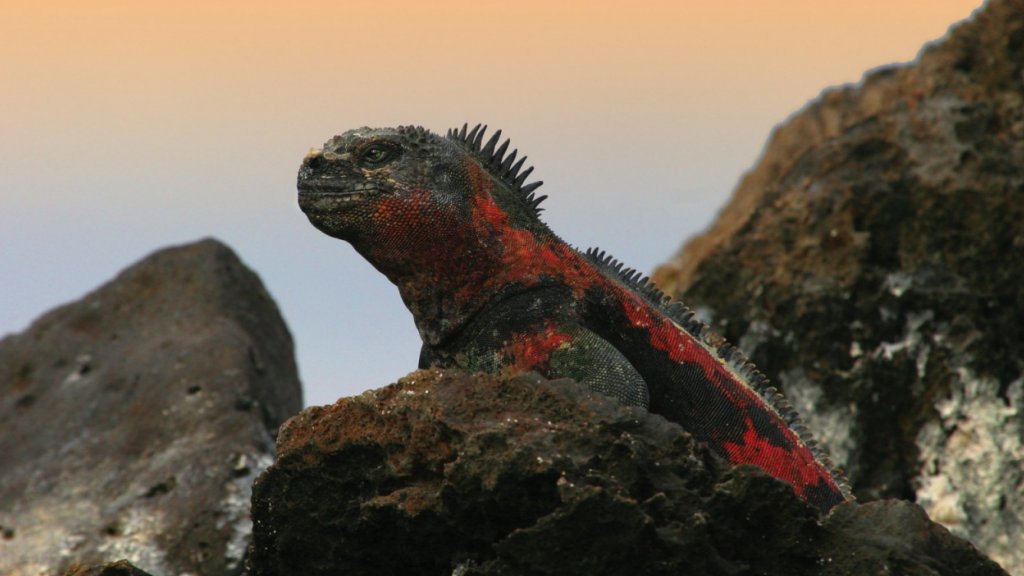
Galapagos Islands & Ecuador
General Information
General Facts
- Size (land area): 276,841 sq km (106,889 sq mi), Ecuador is slightly smaller than the State of Nevada or Italy.
- Population: 14,790,608 people, divided between the following ethnic groups: mestizo (mixed Amerindian and white) 65%, Amerindian 25%, Spanish and others 7%, black 3%
- Border Countries: Colombia & Peru
- Elevation Extremes: Lowest point: Pacific Ocean 0 m; Highest point: Chimborazo 6,267 m
- note: due to the fact that the earth is not a perfect sphere and has an equatorial bulge, the highest point on the planet furthest from its center is Mount Chimborazo not Mount Everest, which is merely the highest peak above sea-level
- Religion: Roman Catholic 95%, other 5%
- Languages: Spanish (official), Amerindian languages (especially Quechua)
Source: The World Factbook
The people: Of Ecuador's estimated 15 million inhabitants, those in the highlands are mainly mestizo, a mixture of European and Native South American extractions. Indigenous peoples live mainly in the Andean highlands and in the Amazon regions. Coastal dwellers are descendants of Native South Americans, Europeans and Africans.
Banks & Business: Most city offices and shops open from 9:00 to 18:00 Monday through Friday. Currency exchange facilities are open weekdays and Saturday mornings in major hotels. Banking facilities are not available in remote areas. U.S. dollars are accepted throughout the country. ATMs are easily found throughout the main cities. Cash advances can be made at most banks or ATM's.
Currency: Ecuador's currency is the Dollar of the United States of America. U.S. dollars are used for all transactions. There is no restriction on the amount of foreign currency or travelers' checks brought into Ecuador.
Customs: Each passenger is allowed two bags of up to 70 pounds (31.8 kilos) each, plus carry-on luggage, photo or video camera, and binoculars. Professional filming equipment, diving and climbing gear require special permits.
Electricity: Identical to the USA. 110 volts, 60 cycles AC is used. Most outlets are for two flat prongs. It is useful to carry a small flashlight. For TV and video equipment, Ecuador uses the NTSC system.
Language: Ecuador's official language is Spanish, but Kichwa, the lingua franca of the Inca Empire, is the tongue of the majority of the Indian population. English is spoken in major visitor centers.
Entry & Exit Requirements: If you are a U.S. traveler wishing to enter Ecuador, you must present a U.S. passport with at least six months remaining validity. Ecuadorian customs officials also require evidence of return or onward travel, such as an airline ticket. If you are traveling on a regular passport for tourism or business, you will not need a visa for a stay of 90 days or fewer per 12-month period. If you are planning a visit longer than 90 days, you must obtain a visa in advance of your arrival.
Nationals of the following countries require a visa and should approach the Consulate of Ecuador of their residence (list may change without notice): Afghanistan, Algeria, Bangladesh, Costa Rica, Cuba, El Salvador, Guatemala, Honduras, India, Iran, Iraq, Jordan, Lebanon, Libya, Nicaragua, Nigeria, North Korea, Pakistan, Palestine Authority, People's Republic of China, Sri Lanka, South Korea, Syria, Tunisia, Vietnam, and Yemen.
If applying in the U.S., nationals of these countries will have to produce their valid U.S. visa or residence permit and fill out an application form (requirements listed above, plus 2 photographs). Visa Application
In order to depart Ecuador, you must present a valid U.S. passport. If you are departing via airplane, you will be charged an airport tax (payable in U.S. dollars only); the price depends on the city from which you depart. If you stay in Ecuador beyond 90 days or beyond the terms of your visa, you will be charged a substantial fine and will be barred from re-entering Ecuador for nine consecutive months from the date of your departure.
Taxes: There is a sales tax added to purchases; hotels and restaurants charge sales tax and service. There is also an international departure tax (approx. $41 per person) is to be paid in U.S. Dollars at the airport.
Food: International cuisine is available throughout the country, but try some of the Ecuadorian specialties: humitas and tamales (made of corn and wrapped in leaves), llapingachos (fried mashed potato patties with cheese), ceviche (a saucy shrimp cocktail), and locro (a soup of stewed potatoes and cheese topped with an avocado). There are many excellent restaurants in the main cities and a restaurant guide is distributed free to all visitors upon arrival in Ecuador.
Tipping: As in many places, gratuities are customary, but entirely at the guest's discretion. Guidelines for tipping will be found in the "Welcome Kit" you receive upon arrival.
Time Zone: Local time on the mainland as Greenwich Meridian Time minus 5 hours (Eastern Standard Time in the United States). Galapagos time is GMT minus 6 hours.
Park Fees: Visitors to the Galapagos Islands, the Amazon rain forest, the Cotopaxi National Park and other National Parks and Natural Reserves must pay entrance fees. Such prices vary and are not included in tour rates unless otherwise mentioned.
Health & Vaccinations: No inoculations are required for entry. Travelers with heart conditions or high blood pressure should check with their physicians about high-altitude travel, as well as preventive measures for visiting tropical areas. Bottled water is advised and available everywhere. For guests traveling to Ecuador's Amazon Region, a yellow fever vaccination is required.
Drinking water: Bottled mineral water, with or without carbonation, is available at all hotels, shops, and lodges. Ecuadorian beer is excellent, and bottled soft drinks are available everywhere. Coffee and tea are usually served at the end of meals.
Clothing: Lightweight woolens are ideal for the highlands, and warm jackets are essential after dusk at high altitudes. Cotton for the Amazon, Pacific lowlands and Galapagos. The dress is informal. Dressing in layers is ideal. Do not forget swimming wear and comfortable walking shoes.
Children: Some tours and programs are not suitable for smaller children, and thus not recommended for them. Children over eight will have no problem in the mainland or in Galapagos. Hotels in the major cities cater to children of all ages, providing children's menus, baby sitters and extra beds/cribs.
When to Travel?
CLIMATE
Ecuador is divided into four different geographic zones: the Amazon, the highlands, the Pacific lowlands and the Galapagos Islands. Since Ecuador is located right on the equator, the country as a whole experiences no extreme weather changes. Rainy seasons vary in each zone. The geographic location of Ecuador makes it a perfect destination for a year round travel. Seasonal differences are reflected mainly in variations in rainfall as the temperatures variations are minimal.
The Andes (Quito):
The mighty Andes of Ecuador range from 8,000 feet to the highest peak in Ecuador at 20,703 feet above sea level. The weather in the high elevations is usually pleasant (even warm) during the day and cool during the nights. The higher you travel the more extreme this difference is.
In Quito, which is located at 9,600 ft (3,000 m), the temperatures tend to be moderate and “spring-like” throughout the year. The average temperatures range from 55ºF (7ºC) at night, to 78ºF (26ºC) at noon. The average temperature between the warmest month and the coolest month varies only by 0.5 degrees Fahrenheit. It tends to be drier from June to September and wettest from January to May.
While traveling in high elevation it is very important to wear a sun hat and to apply plenty sunscreen lotion, of a high SPF, (due to the intensity of the sun). However, as soon as the sun sets, the temperatures will drop immediately and a warm coat is recommended (as well as a winter hat & gloves in the extreme elevations of over 10,000 feet above sea level).
The Pacific Coastline (Guayaquil):
Along the Ecuadorian Coastline, the climate is mostly hot and humid with average temperatures ranging between 76º and 90ºF. Here as well, the Dry Season usually lasts between June to December, when the air is cooler and it is often overcast with a mist that can hide the sun, for up to three months. To Enjoy the beach, we recommended to travel during the Rainy Season (December through April). This time of the year, offers bright sunny days with occasional heavy downpours (mostly in the afternoons). Here as well, use extra caution when exposed to direct sun.
The Amazon Rainforest:
Mostly hot and humid throughout the year, averaging 80ºF , with frequent showers. Those, often help to cool the air and expose beautiful blue skies. Expect more rain during April through September.
The Galapagos Islands:
Visitors of The Galapagos Islands enjoy a subtropical climate regulated by a cold Ocean Current, traveling north from Antarctica: The Humboldt Current, as well as the warm El Niño Current. Most of the Galapagos babies are born around April through May, while the mating season is between September to November. The islands are indeed year-round destinations, offering different scenery and immersive nature experiences each and every season.
The warmest months of the year are December through May with temperatures reaching the upper 80ºs F (31ºC ). While this is also the rainier season, the shorelines of the islands as well as the lower elevations, (these are the area where most travelers visit during their Galapagos tours), still offer beautiful blue sky with occasional haze. The ocean temperature is higher than the rest of the year, and the water is calmer, offering better conditions for snorkeling and bathing as well as a smoother sailing.
The Dry Season is from June to November, offering sunshine but cooler days with sometimes cloudier skies. The air temperature usually stays around the upper 70’s, while the ocean temperature drops to as low as 68ºF (20ºC).
NATURAL EVENTS IN THE GALAPAGOS
JANUARY
Land birds start nesting, usually after the first rain
On Española Island, adult male marine iguanas become brightly colored
Green sea turtles land on beaches to lay eggs
Land iguanas on Isabela Island begin their reproductive cycle
FEBRUARY
White-cheeked pintails begin their breeding season
Nazca boobies on Española Island are at the end of their nesting season
Marine iguanas nest on Santa Cruz Island
Peak of the Galapagos dove nesting season
MARCH
Marine iguanas nest on Fernandina Island
Waved albatrosses begin to arrive on Española Island
APRIL
Mass arrival of waved albatrosses on Española Island, and the beginning of their courtship
Hatching season of giant tortoises ends
Sea turtle eggs begin to hatch
Land iguanas hatch on Isabela Island
MAY
Galapagos penguins begin to show remarkable activity
Sea turtles hatching in Gardner Bay & Puerto Egas
Palo santo trees begin to shed their foliage
Waved albatrosses on Española Island begin to lay their eggs
Band-rumped storm petrels begin their first nesting period
Marine iguana eggs hatch on Santa Cruz Island
JUNE
Giant tortoises on Santa Cruz Island migrate from the highlands to the lowlands in search of suitable nesting places
Beginning of giant tortoise nesting season
Southern migrant birds on their way north can be seen
JULY
Sea bird communities breeding, especially on Española Island
Flightless cormorants court and nest on Fernandina Island
Oystercatchers nest on Santiago Island
Whales and dolphins more likely to be seen, especially off the coast of Isabela Island
Lava lizards begin mating ritual
AUGUST
Galapagos hawks court on Española and Santiago Islands
Migrant shore birds start to arrive
Giant tortoises return to the highlands of Santa Cruz Island
SEPTEMBER
Galapagos penguins begin to show remarkable activity on Bartolomé Island
Sea lions are very active, especially among the western and central islands
Most sea birds remain quite active at their nesting sites
OCTOBER
Lava herons begin nesting
Galapagos fur seals begin their mating season
Boobies raise their chicks on Española Island
Giant tortoises continue to their lay eggs
NOVEMBER
Sea lions are sexually active in the east of the islands
Brown noddy breeding season begins
Band-rumped storm petrels begin their second nesting period
Sea lion pups are born
DECEMBER
Giant tortoise eggs begin to hatch
Green sea turtles display mating behavior
First waved albatross fledglings appear
Northern migrant birds on their way south can be seen
Suggested Journeys
 Galapagos Safari Camp - Classic Safari
5 Days / 4 Nights • Daily Arrivals in Baltra, Galapagos
Featuring a luxury tented Camp in Santa Cruz Island, Galapagos
Galapagos Safari Camp is a new way to see the Galapagos, either in addition to a cruise or as unique destination in itself. Our eco-luxury tented camp, pioneering in Latin America, follows the African safari tradition in which guests enjoy total comfort under canvas while experiencing nature in its purest form.
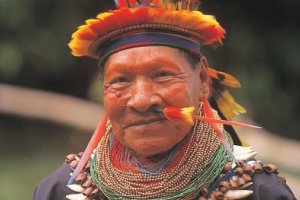 Ecuadorian Amazonia Luxury Expedition
9 Days / 8 Nights • Sunday Arrivals in Quito; year round
This journey was carefully tailored for travelers looking to explore the Ecuadorian Amazon at the utmost comfort. This most inspiring journey will include a myriad of unexpected possibilities of magical flooded forests, untamed wilds of the Yasuní National Park and the quiet stills of Lemon Lake. During your journey you will climb up canopy observation towers, inch down black-water jungle streams, walk the understory through meandering trails and meet the sacred peoples of the Amazon forest base.
Featuring Quito, Otavalo Indian Market and a 5-day Amazon Region cruise aboard the luxurios M/V Anakonda
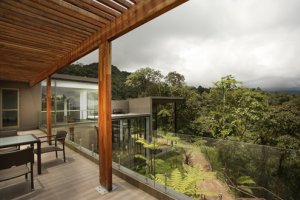 Luxury Cloud Forest Adventure, featuring Mashpi Lodge
3 Days / 2 Nights • Daily departures from Quito
Join the privileged few for an unforgettable adventure at the Ecuadorian Cloud Forest. Submerged in the unparalleled luxury and comfort of the Mashpi Lodge; while exploring one of the most fascinating Eco-System in South America, this program is a perfect addition to any of your Ecuador & Galapagos programs.
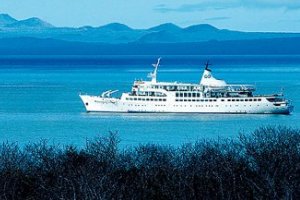 Galapagos Expedition aboard the Legend
11 Days / 10 Nights
A comprehensive 10 day Galapagos Expedition aboard the 100-passenger Galapagos Legend. See prehistoric iguanas, giant tortoises, exotic birds, plants, beautiful landscapes of volcanoes, lava cones and magma flows.
The Galapagos Expedition includes unforgettable experiences aboard the Legend, all inclusive packages with the best of Ecuador´s astonishing natural sites, its rich culture and history, the variety of adventure activities and a powerful intercultural exchange. All in the most bio-diverse country in the world, Ecuador!
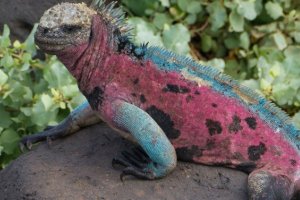 Galapagos Island Hopping
8 Days / 7 Nights
Take in all of the natural wonders of the Galapagos Islands as you traverse the clear pacific ocean and become struck by the same beauty that Charles Darwin encountered over 180 years ago. The picturesque views, pristine waters and all the natural charm that these islands have to offer aren't to be missed.
 Petrel Luxury Galapagos Catamaran Expedition
8 Days / 7 Nights • Friday departures; every other week
The best way to see the Galapagos Islands is on board a luxury cruise, and the newly built Petrel is a proud addition to our Galapagos fleet. Guests travel in comfort to the different islands, where they have up-close encounters with blue-footed boobies, iguanas, giant tortoises, whales and more.
The newest ship in Galapagos, the Petrel offers a first-class way to visit these magical islands. Named after a sea bird common to Galapagos, the Petrel is like its namesake: elegant, swift and silent at sea. A motorized catamaran, the Petrel is designed for comfort and stability and is outfitted with spacious cabins, a comfortable lounge, and Jacuzzi.
On the Petrel, we emphasize the remarkable Natural History of Galapagos, selecting guides who are knowledgeable about biology and ecology in addition to having excellent language skills and client reviews.
Featured Properties
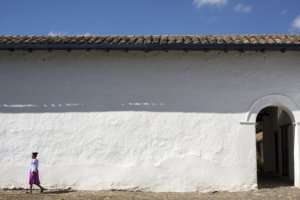 Hacienda Zuleta
Welcome to the stunning 17th-century hotel and working-farm of former Ecuador President Galo Plaza Lasso and his family. Created with natural warmth, hospitality, and community ties, Hacienda Zuleta boasts beautiful antique rooms, delicious home-grown Andean cuisine, and a wealth of a-la-carte activities.
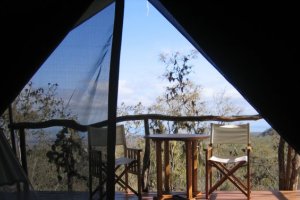 Galapagos Safari Camp
Galapagos Safari Camp is a new way to see the Galapagos, either in addition to a cruise or as unique destination in itself. The eco-luxury tented camp, pioneering in Latin America, follows the African safari tradition in which guests enjoy total comfort under canvas while experiencing nature in its purest form.
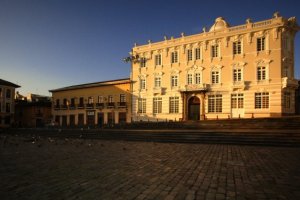 Casa Gangotena, Quito
Beyond its doors, the world heritage wonders of Quito, as well the vastly-different and diverse worlds of Ecuador itself, await. Sophisticated and eclectic, historic yet contemporary, at Casa Gangotena style, passion and service blend seamlessly and delightfully.
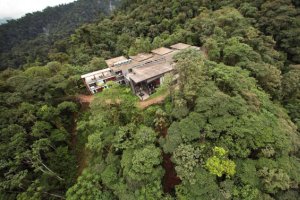 Mashpi Lodge, a Luxury Cocoon in the Clouds
The sophisticated and strikingly-contemporary lodge is designed as the ideal springboard for exploring the biodiverse world of its reserve. A hideaway in the clouds only accessible to its guests and located on a high plateau, Mashpi Lodge features views of the forested mountains on one side and the forest right up close on the other through its floor-to-ceiling glass windows.
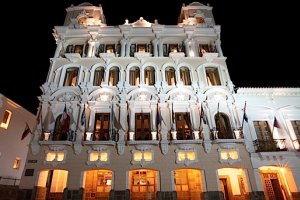 Hotel Plaza Grande, Quito
Plaza Grande Hotel is a luxury hotel, designed and decorated in the "Belle Epoque" style, and is located in the heart of Quito’s historic district, at the Independence Square. The hotel is surrounded by Quito’s most fascinating and important colonial buildings , including the Metropolitan Cathedral , The Carondelet palace ( Government Palace ) , the Archbishop’s Palace and
the Panecillo Hill.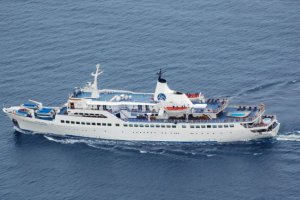 M/V Galapagos Legend - Deluxe Expedition Ship
The 100-passengers deluxe expedition ship has a all the amenities of a cruise line, yet it is still small enough for a more intimate and interactive experience with the unparalleled nature of the Galapagos Islands. Sail the Islands in comfort, without giving up on the adventure!
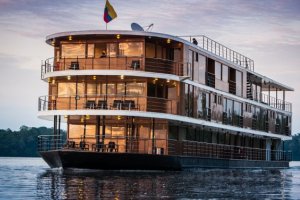 M/V Anakonda Amazon Cruise, Ecuador
Travel on board the M/V Anakonda, the only luxury ship in the Ecuadorian Amazon Rainforest, and experience the Amazon in a most unique way! Visit the remote and pristine areas where few have had the opportunity to travel, and interact with the region’s 15 local communities, while enjoying the comforts, facilities and services of a 5-star boutique hotel on board with us in the middle of the Ecuadorian Amazon.
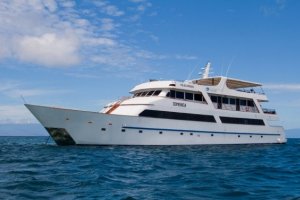 Sea Star Journey - Luxury Expedition Yacht
The Galapagos Sea Star Journey is an awarded cruise by the World Travel Awards in 2017. This exclusive boutique yacht offers a real in-depth experience of this unique World Heritage site. Our yacht combines world-class privacy and comfort. The Sea Star Journey is the Leading Boutique Cruise of South America.
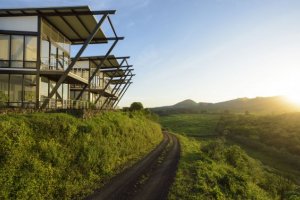 Pikaia Lodge - Galapagos Islands
Hidden in a secluded location and nestled on top of an extinct volcano crater.
Pikaia Lodge is a stunning new alternative for exploring the Galapagos Islands "Last paradise on Earth" in a comfortable and truly sustainable land based way.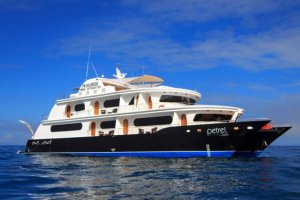 Petrel Luxury Galapagos Catamaran
Unparalleled comfort and intimacy at this luxury 16-passengers catamaran! Explore the Galapagos Islands in style and chose between several different excellent cruise itineraries.
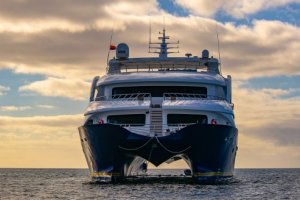 M/C Endemic - Galapagos Luxury Catamaran
The M/C Endemic is the newest luxury catamaran cruising the Galapagos Islands. This luxury catamaran has a capacity for 16 passengers, eleven crew members plus guide, offering a service ratio of almost one to one. Being the first catamaran of a new generation of catamarans, the Endemic gathers elegant exteriors, spacious areas for high-end accommodation, social, and open areas. Navigation between the islands are sleek and fast due to Endemic’s design which delivers superb stability when cruising around the archipelago.
Photo Gallery
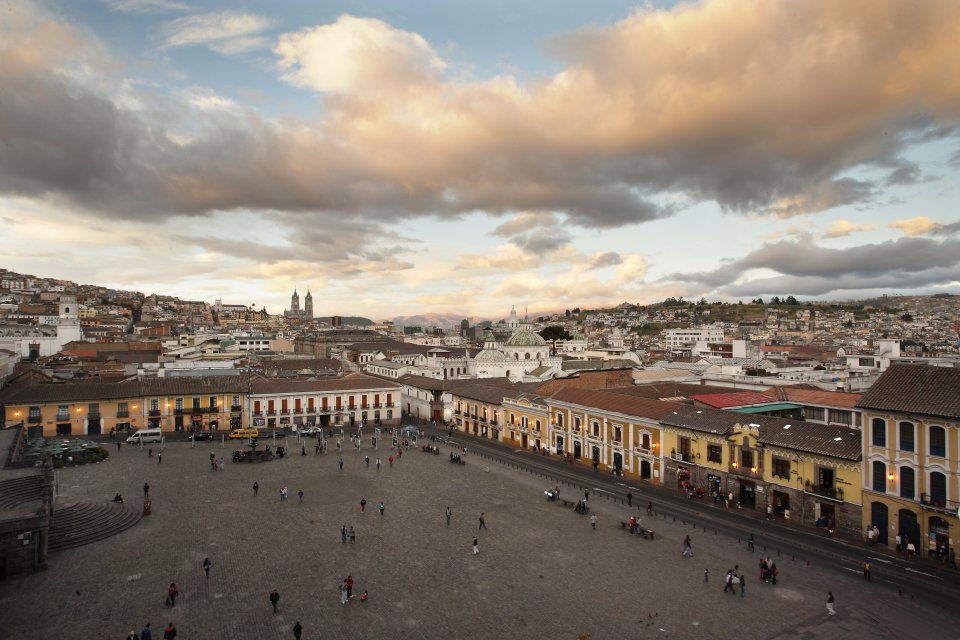
 San Francisco Plaza, Quito
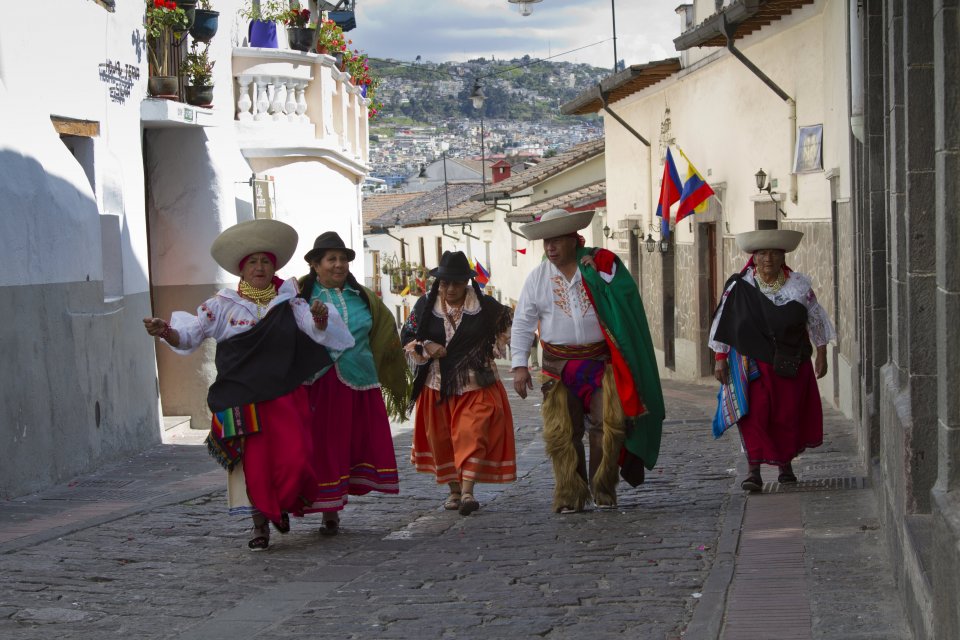
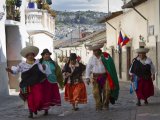 In Quito, people wearing traditional costume of Otavalo Region
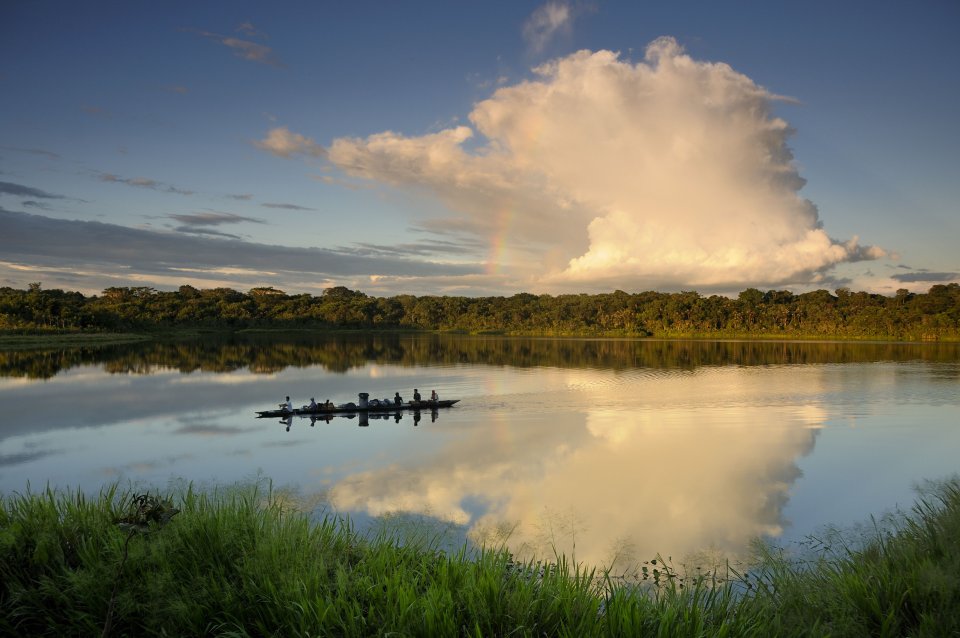
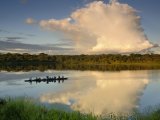 Ecuadorian Amazonia Luxury Expedition
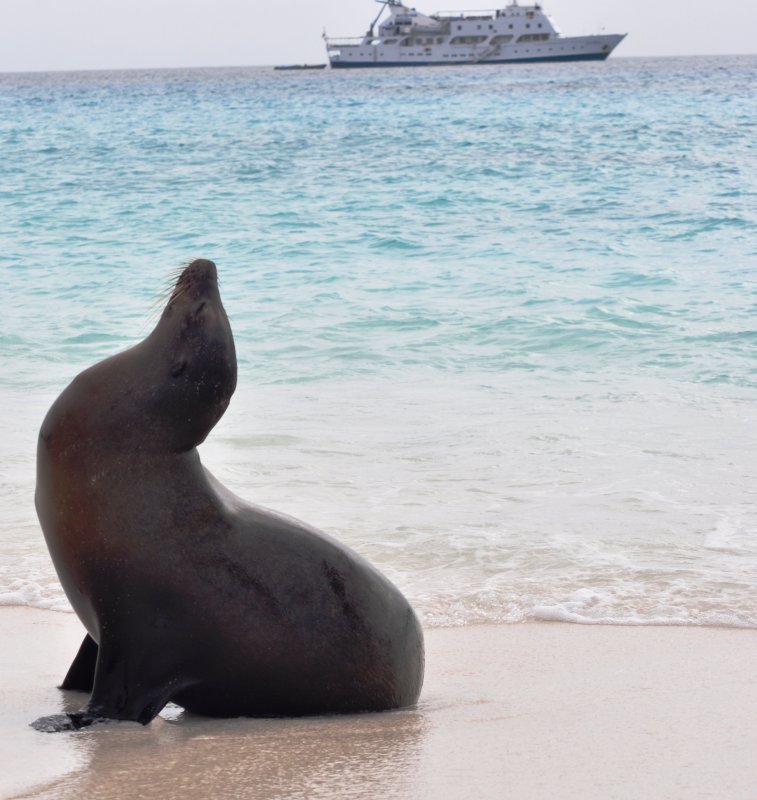
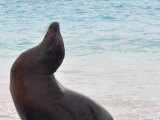 Sea Lion & the M.V. Eclipse
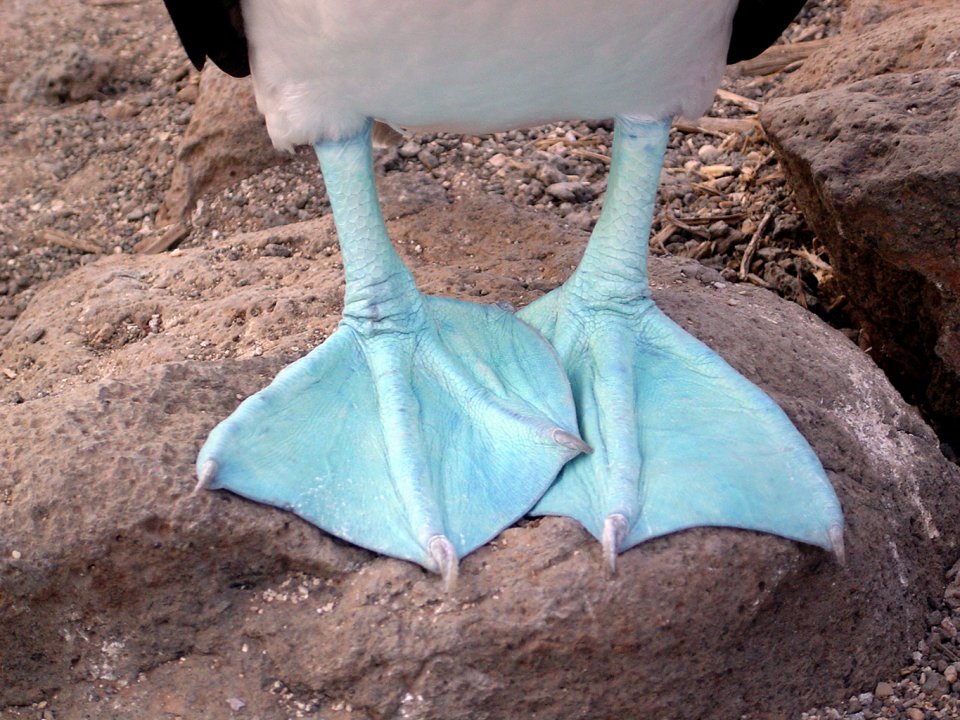
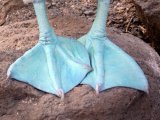 Blue Footed Booby
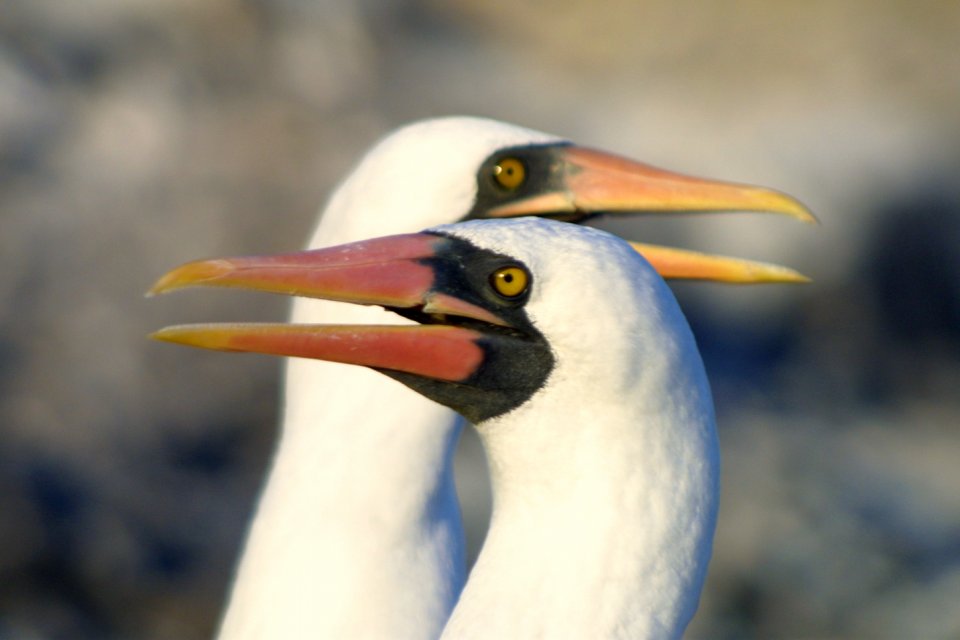
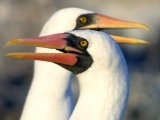 Nazca Boobies in the Galapagos Islands (Francisco Dousdebes)
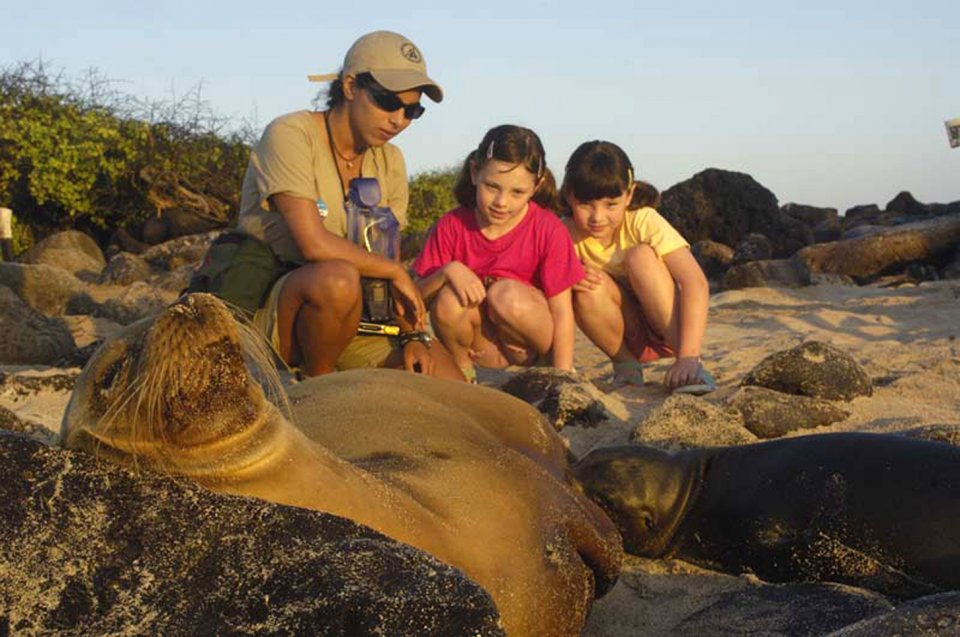
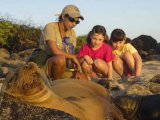 Naturalist with young explorers in the Galapagos Islands (Pete Oxford)
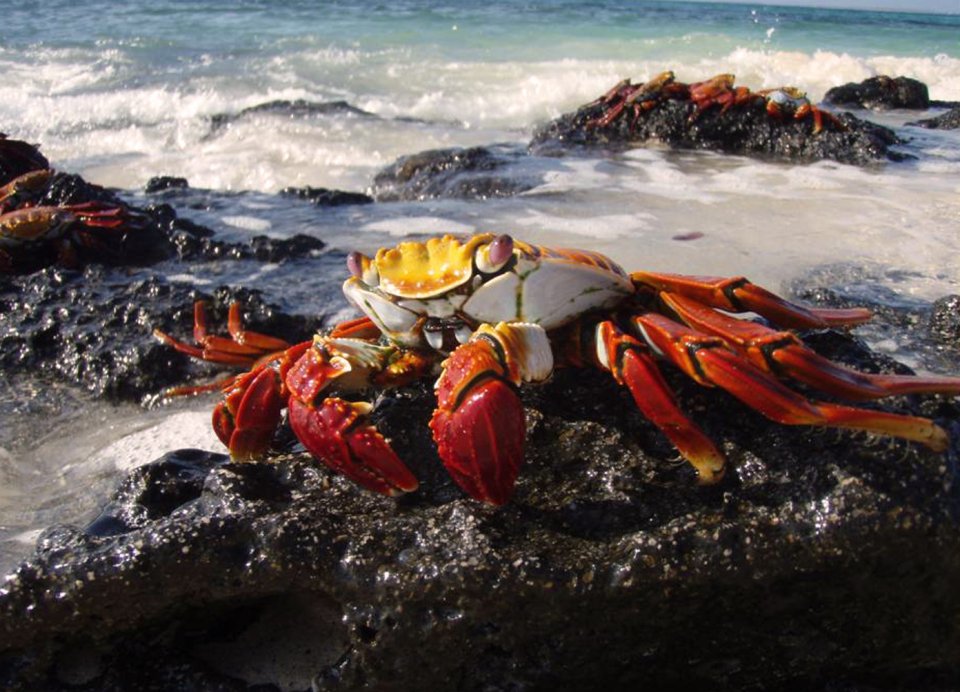
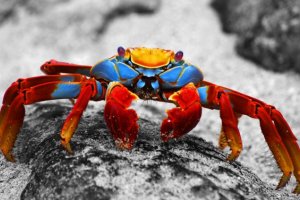
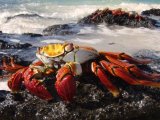 Sally Lightfoot Galapagos Crab (Metropolitan Touring)