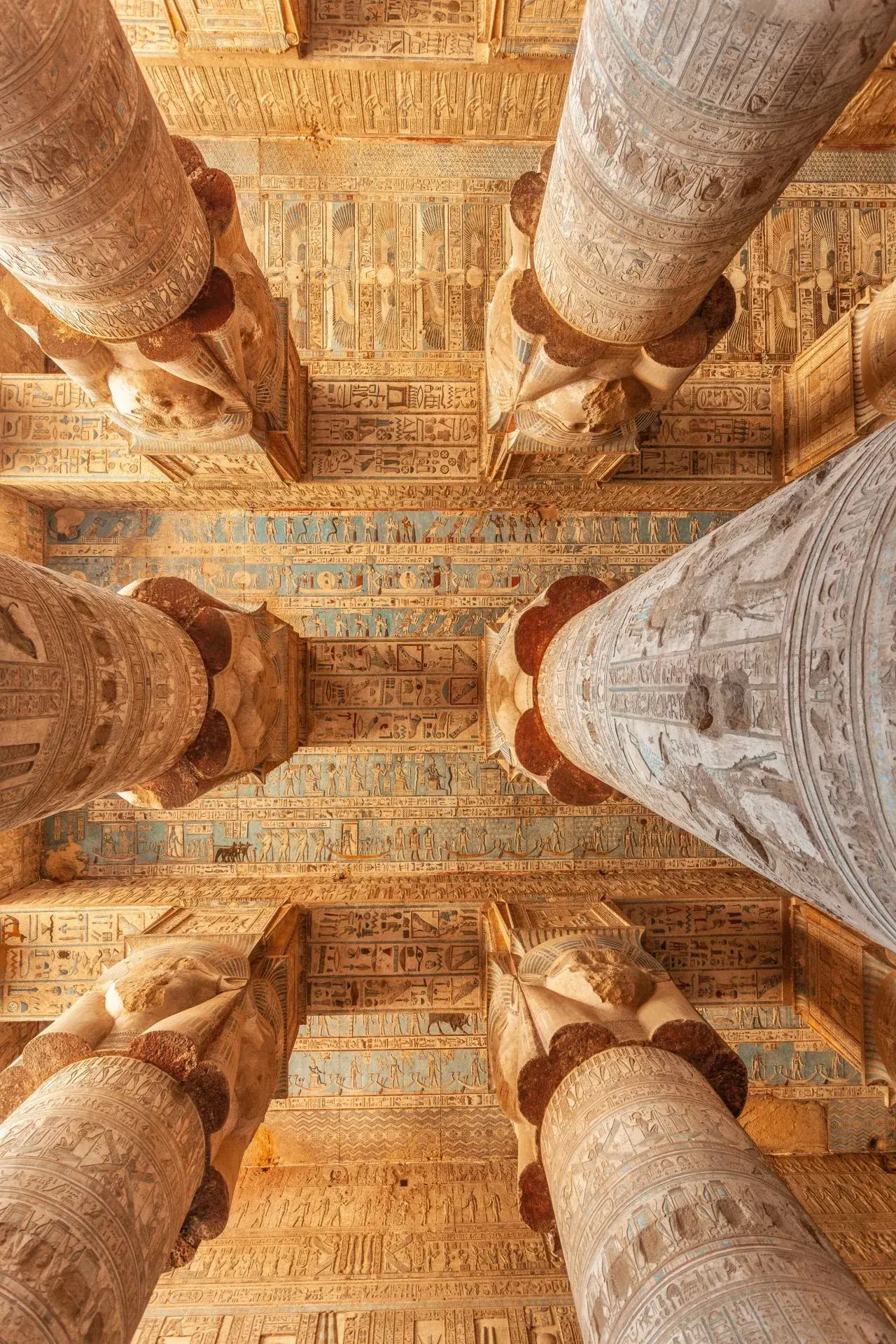
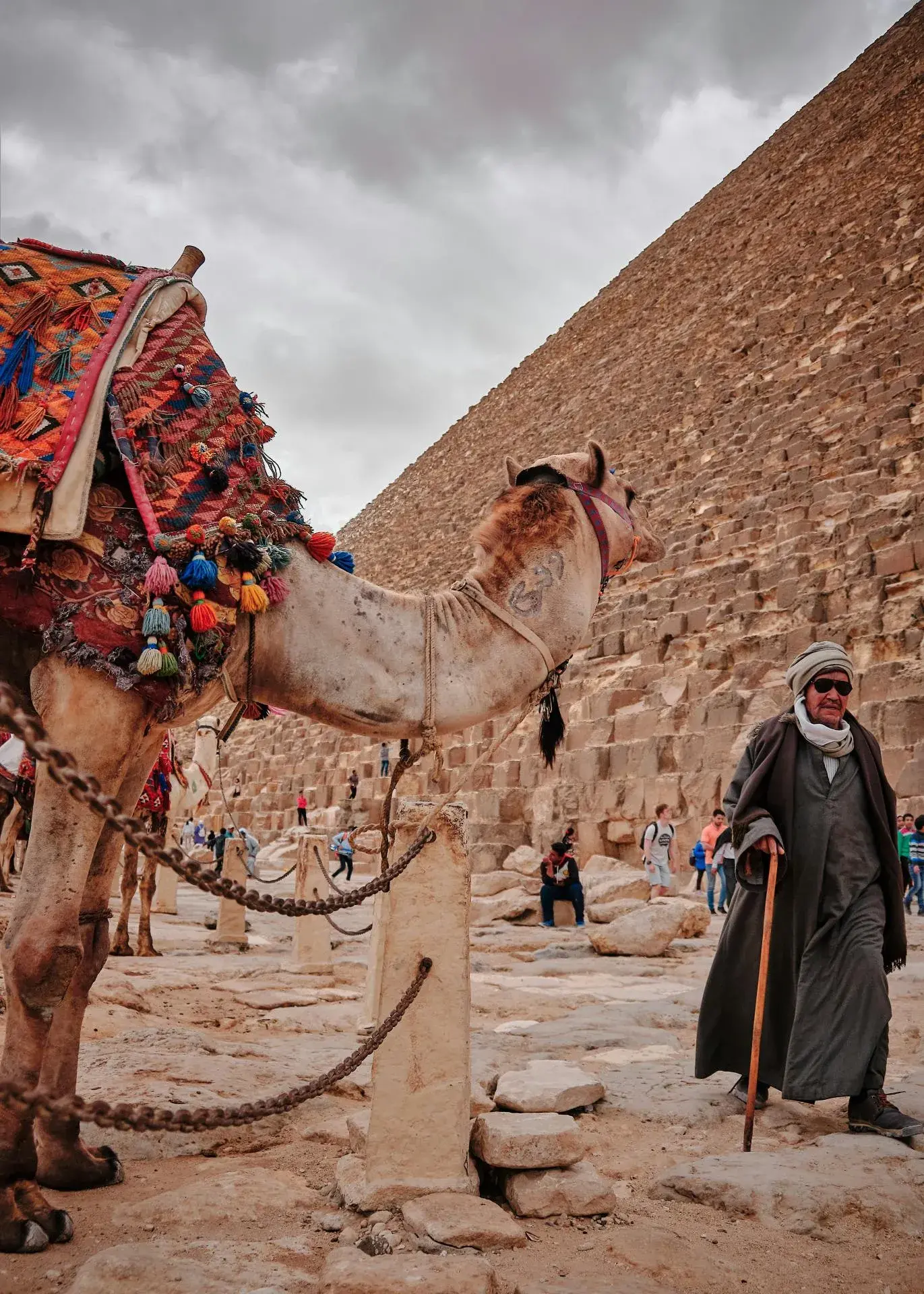
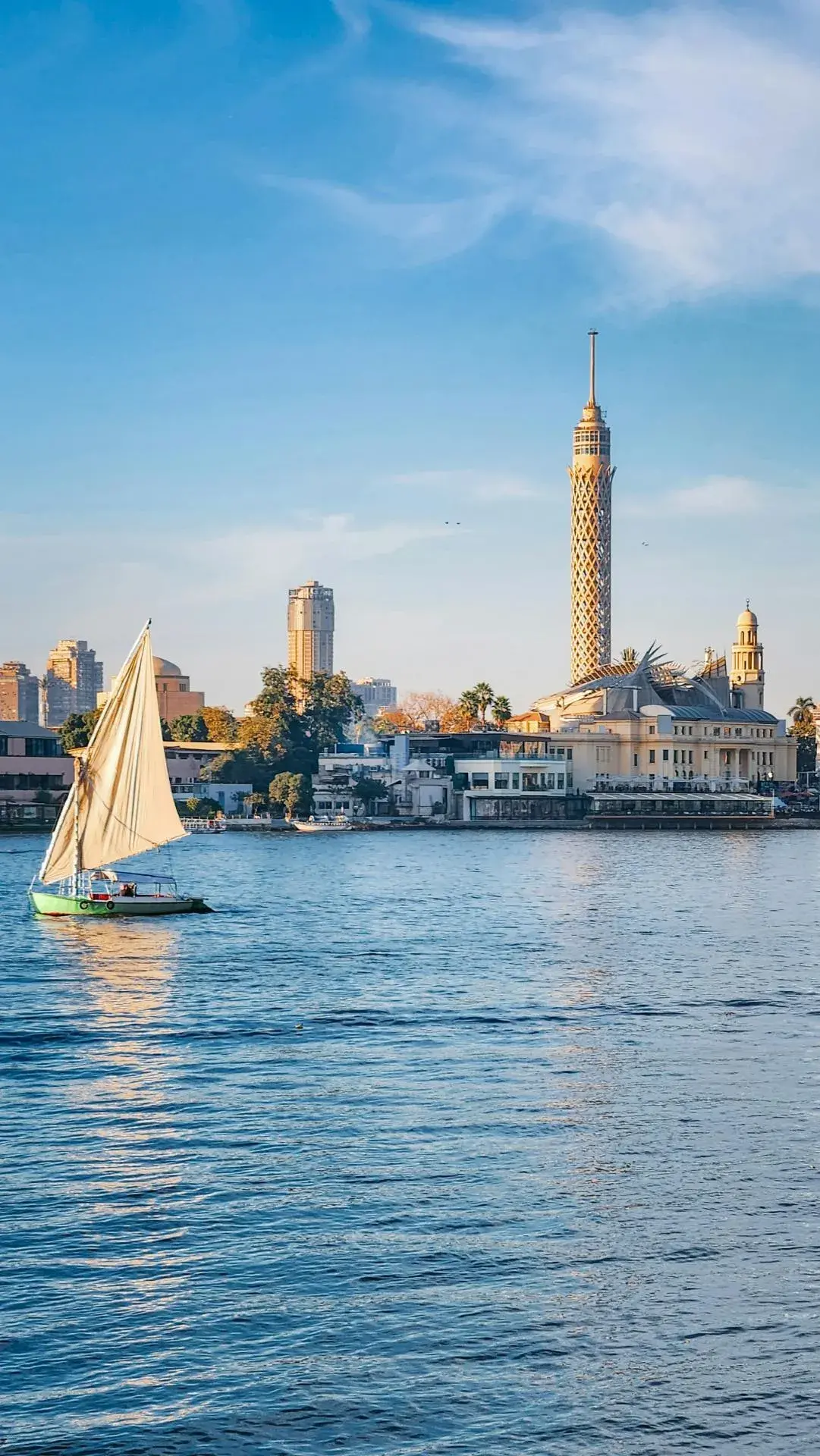
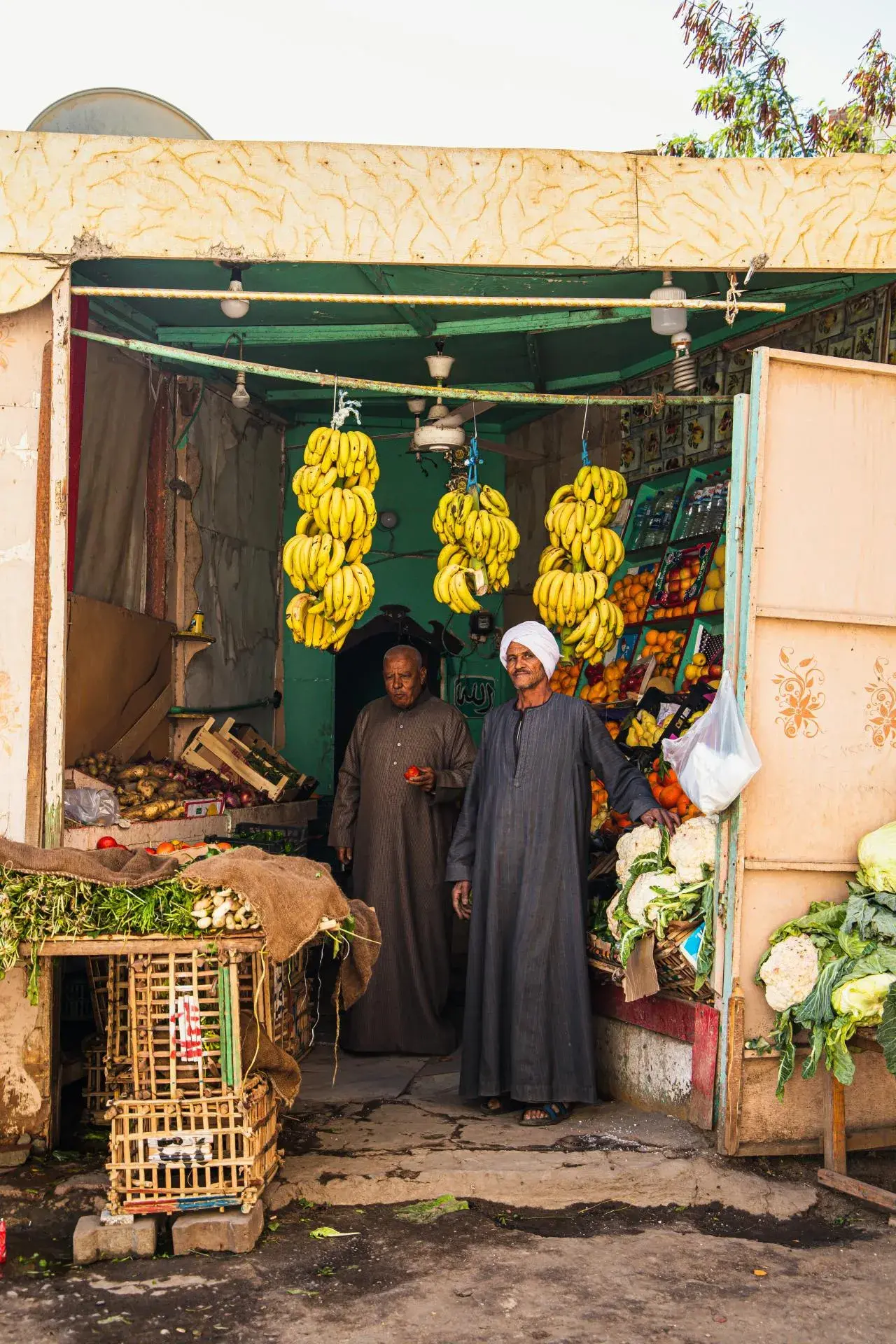
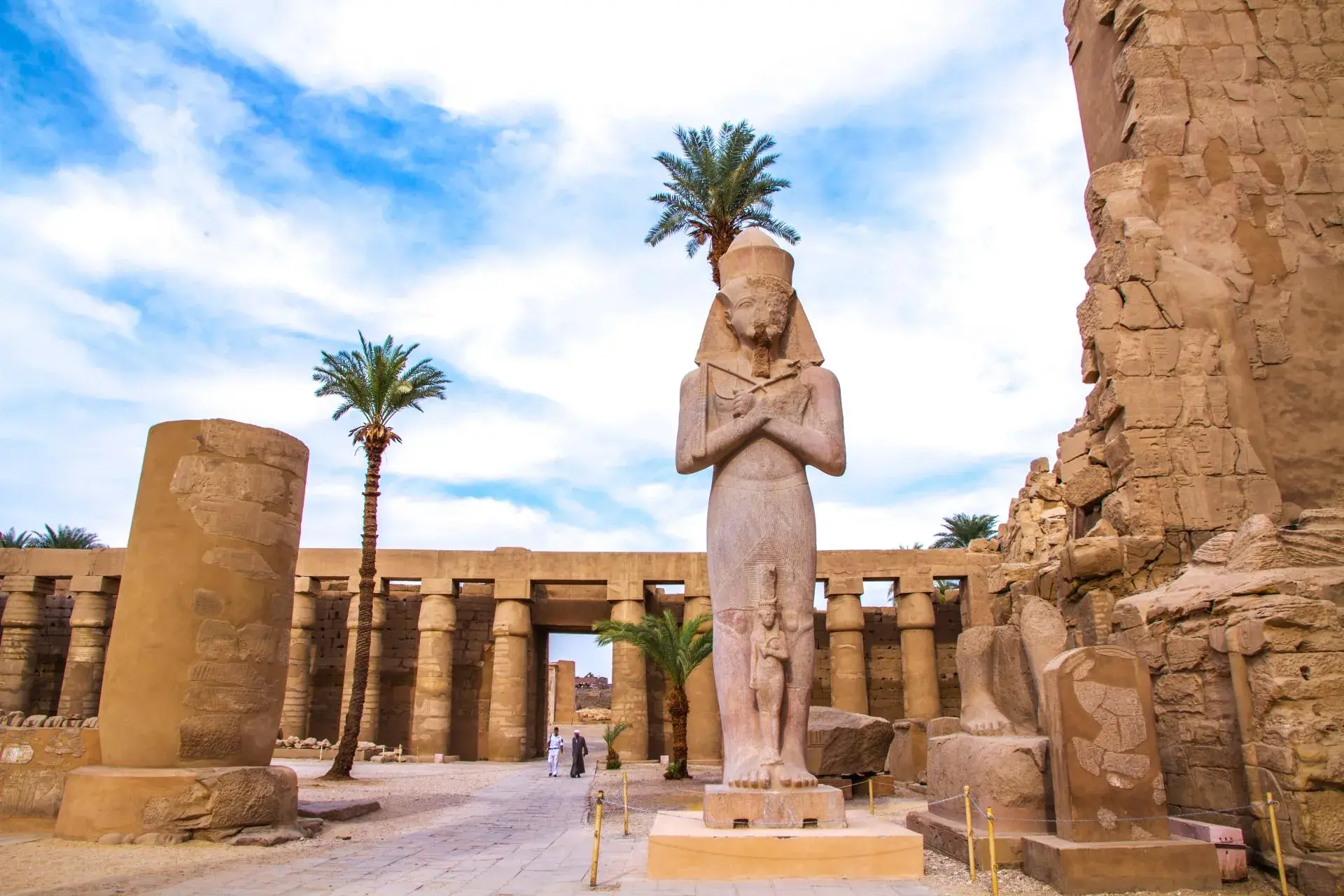
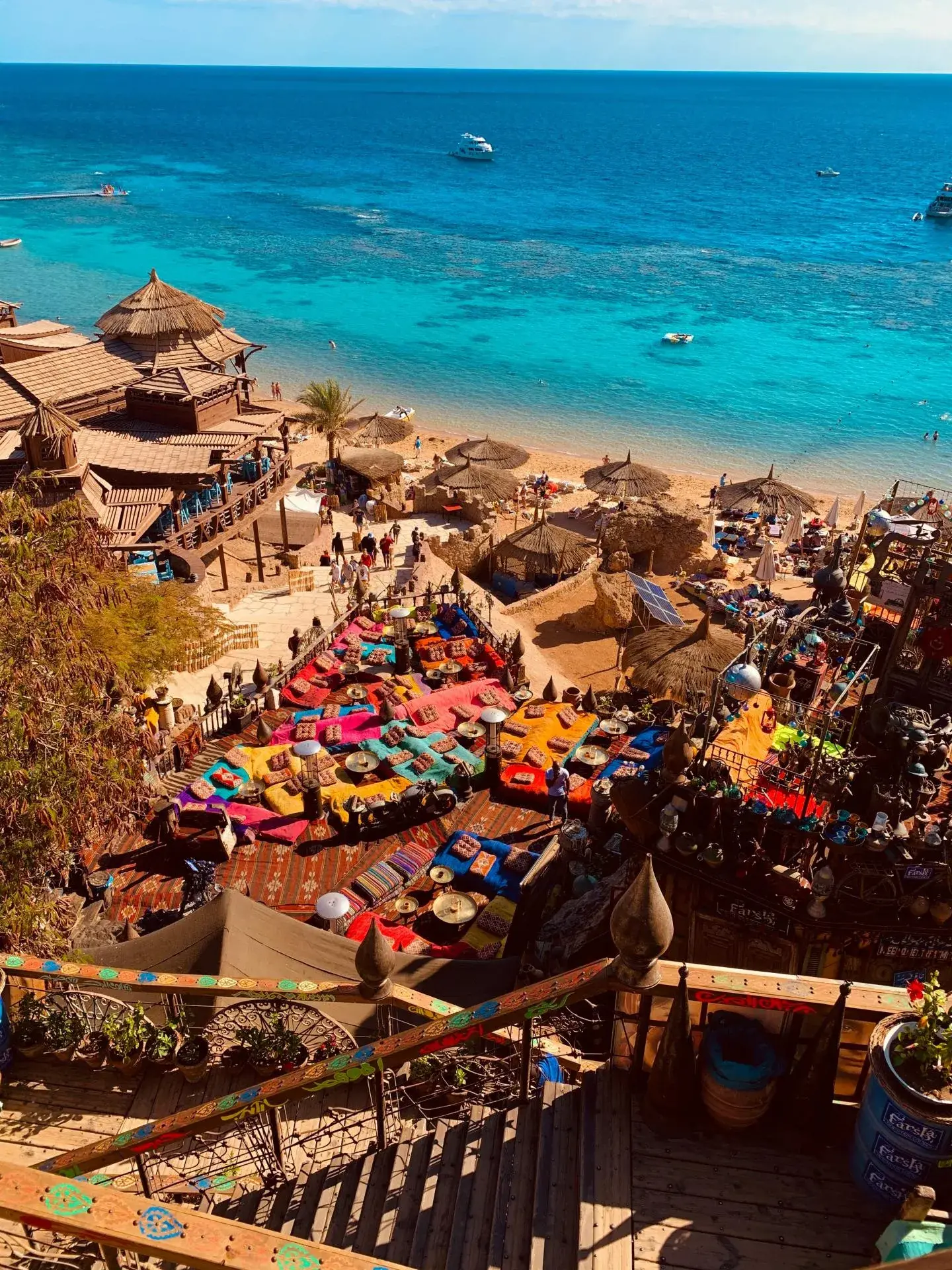
Along the timeless course of the Nile River, life gathers in a ribbon of green between desert horizons, while in the scorching deserts the pyramids of Giza rise from the sand and temple columns stand in quiet symmetry.
Overview
Egypt’s history spans over 5,000 years, shaped by one of the world’s earliest and most influential civilizations. From the age of the pharaohs to Greek, Roman, and Islamic periods, its legacy is visible in monuments, cities, and traditions that continue to define the country today. Modern Egypt blends this deep heritage with a dynamic contemporary culture centered around the Nile.
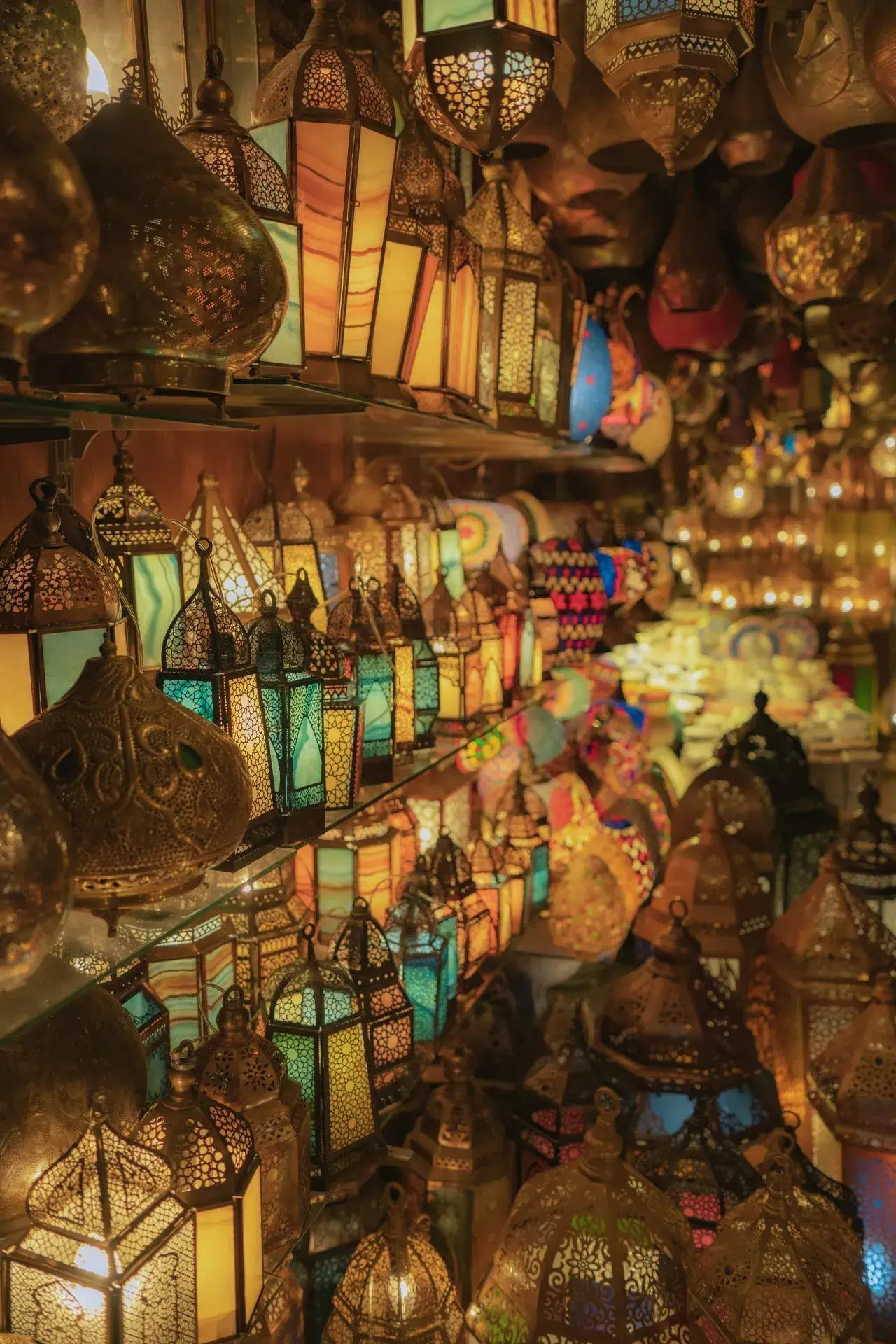
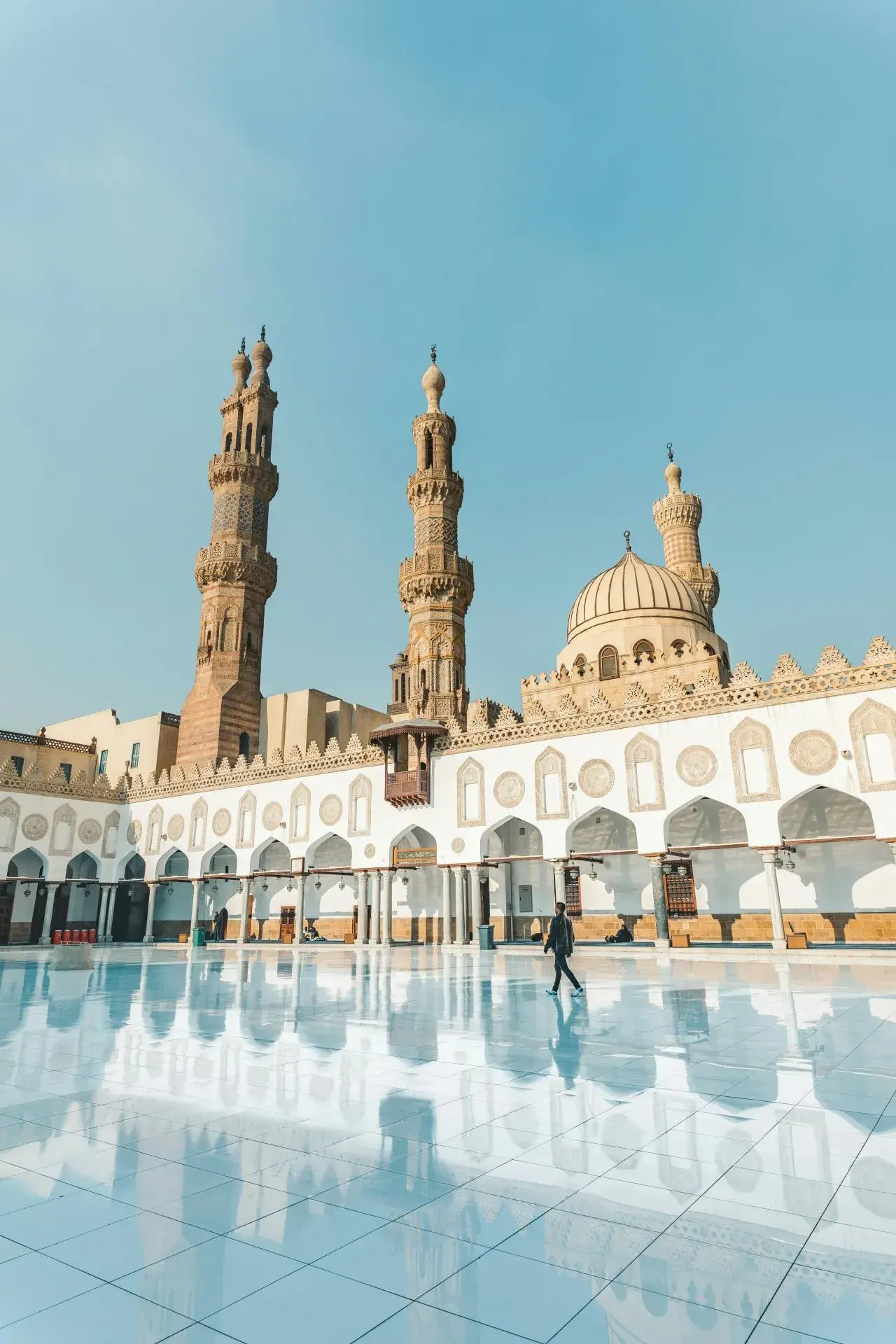
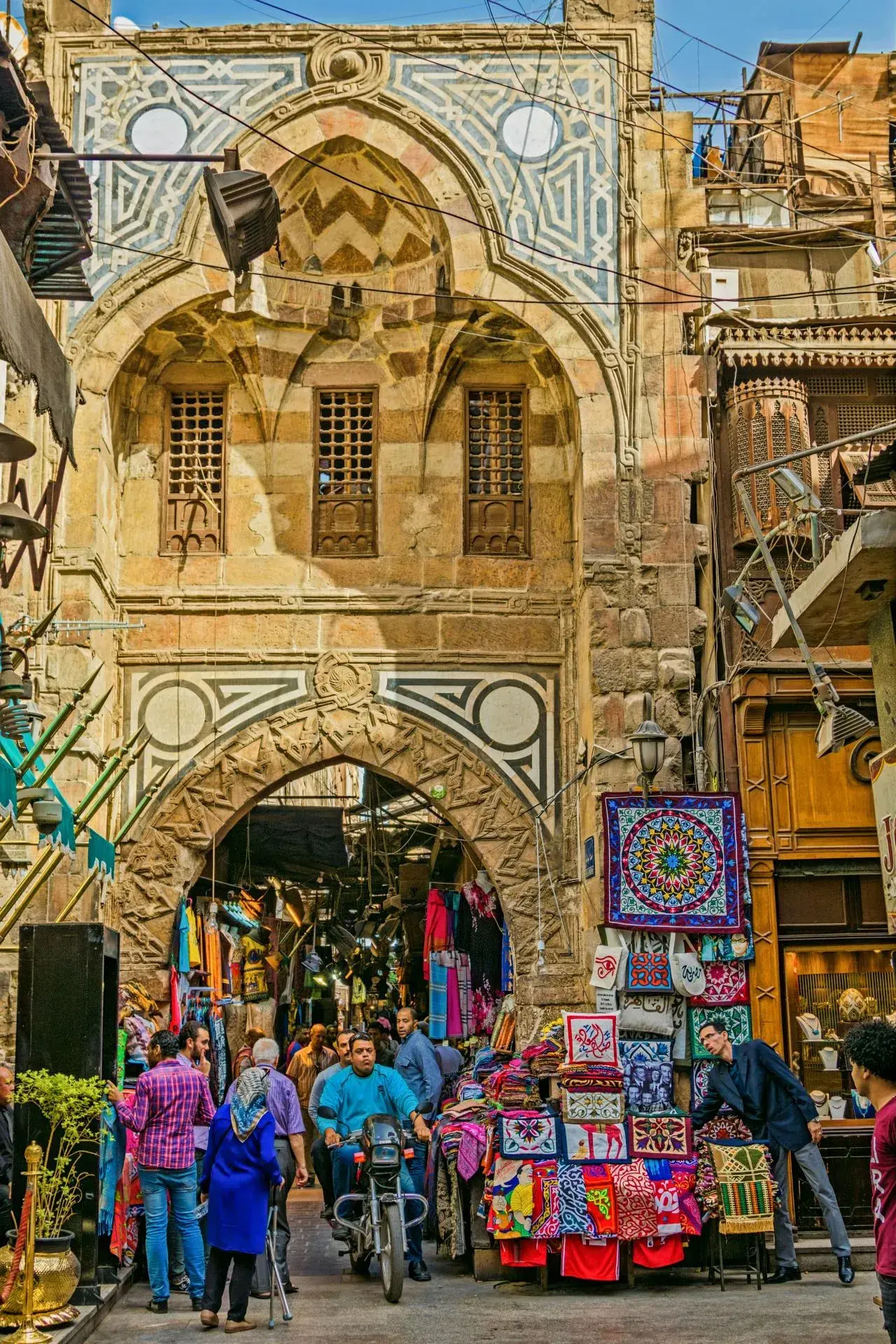
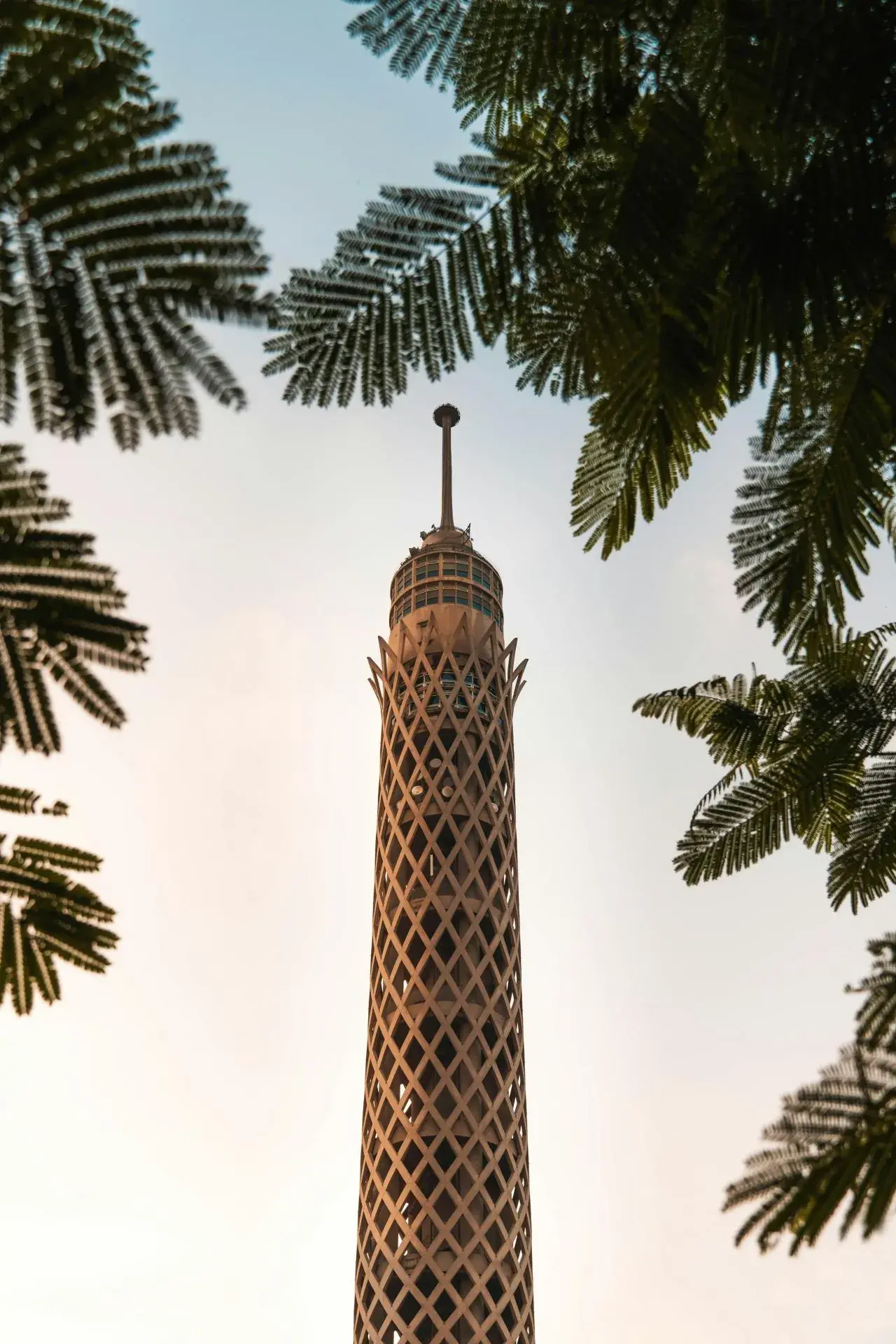
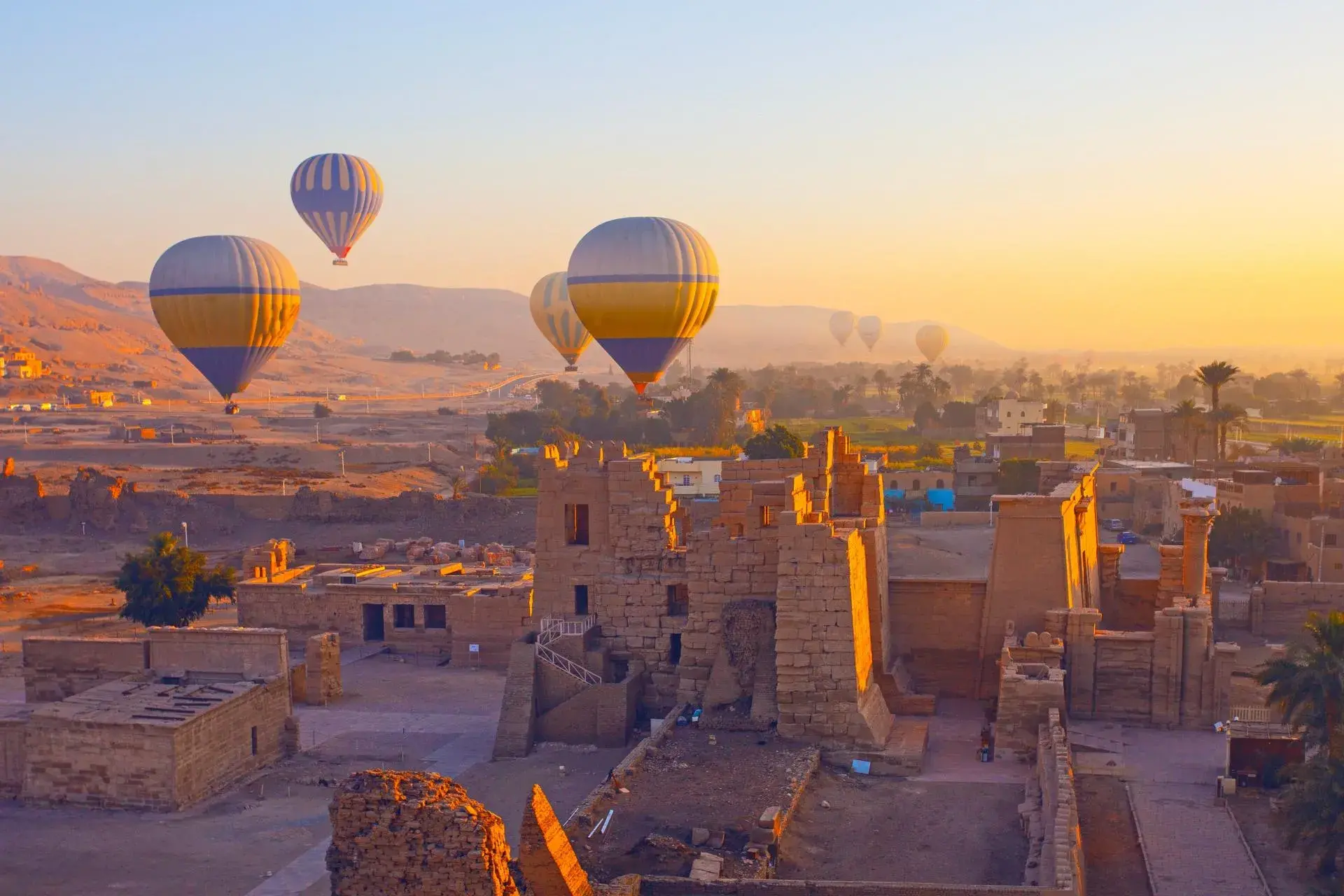
The landscape is defined by contrast. Along the fertile banks of the Nile River, life concentrates in a narrow green corridor, while beyond it stretches the vast desert. In Cairo, ancient mosques and lively markets coexist with modern neighborhoods, while just outside the city, the pyramids of Giza rise from the desert. Further south, temples line the river in places like Luxor and Aswan, reflecting the scale and continuity of ancient Egypt.
Egypt is approximately 1,001,450 sq km, or slightly larger than texas
Libya, Sudan, Israel, Gaza
Arabic (official), English, French
Featured Properties
When to Travel
Egypt is best visited during the cooler months from October through April, when temperatures are more comfortable for exploring. During this period, daytime temperatures typically range from 20–30°C (68–86°F), ideal for visiting sites like Giza and Luxor.
December to February (Winter)
The most popular time to travel, with mild days and cooler evenings (10–22°C / 50–72°F). This is the most comfortable period for sightseeing, though it is also peak season.
March to April & October to November (Shoulder Seasons)
Excellent balance of good weather and fewer crowds. Temperatures are slightly warmer but still manageable across most regions.
May to September (Summer)
Very hot, especially in Upper Egypt and around Aswan, where temperatures often exceed 40°C (104°F). Coastal areas and the Red Sea are more tolerable, but inland sightseeing can be challenging.
In short:
• October–April: Best overall
• December–February: Coolest and most comfortable
• May–September: Very hot, especially inland
Travel highlights
Morning light settles over the Giza plateau as the pyramids rise from the sand, while in Cairo, the call to prayer drifts above crowded streets and markets. Along the Nile River, feluccas move slowly past palm-lined banks toward Luxor, where columns and temples stand in quiet symmetry. Further south, the rhythm softens in Aswan, with islands and desert meeting the water. At Abu Simbel, carved stone faces watch over the horizon, unchanged by time, as the desert stretches outward in stillness.
Things to consider
-
Lightweight, breathable clothing is best, especially in warmer regions like Luxor and Aswan. Modest dress is recommended, with shoulders and knees covered when visiting religious sites. A hat, sunglasses, and comfortable walking shoes are essential, along with a light jacket for cooler evenings in winter.
-
Recommended vaccines include hepatitis A, typhoid, and routine immunizations. It is advisable to consult a healthcare provider before travel.
No mandatory vaccinations are required, but a yellow fever certificate may be requested if arriving from an affected country.
-
The currency is the Egyptian Pound (EGP). Credit cards are accepted in major hotels and restaurants, while cash is preferred in markets and smaller establishments. ATMs are widely available in cities.
-
Egypt is generally safe for travelers, particularly on organized itineraries. Security is present at major sites such as Giza. Basic precautions are recommended, including using reputable transport and following local guidance.
-
Tap water is not recommended for drinking. Bottled water is widely available. Food standards in hotels and reputable restaurants are good, with fresh and well-prepared meals commonly offered.
Entry requirements:
US and Canadian citizens must have a passport valid for at least six months beyond entry and at least one blank page.
A tourist visa is required and can be obtained either:
• On arrival at major airports (typically USD 25 cash, single entry, valid up to 30 days)
• Online in advance through Egypt’s eVisa system
Proof of onward or return travel may be requested.