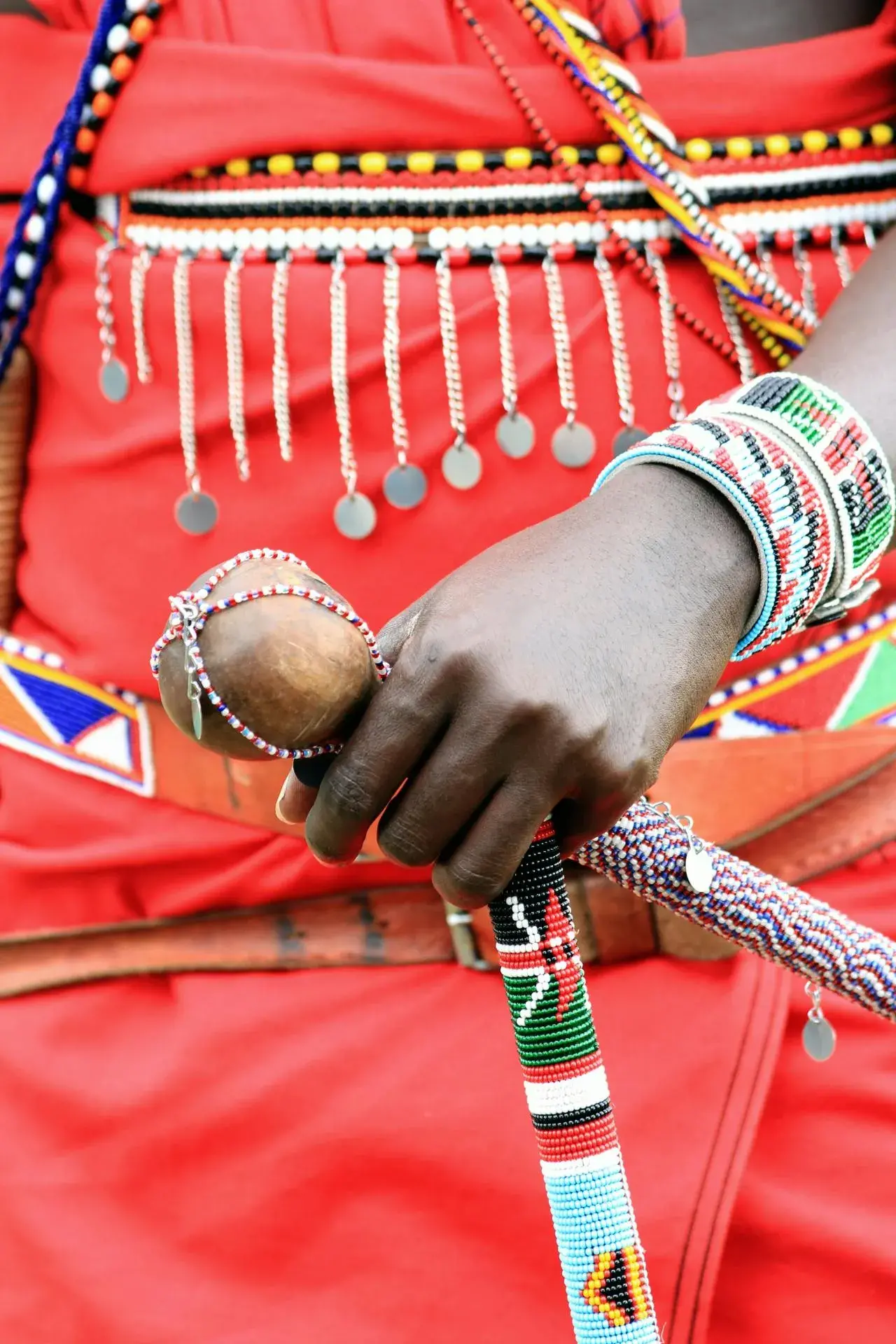
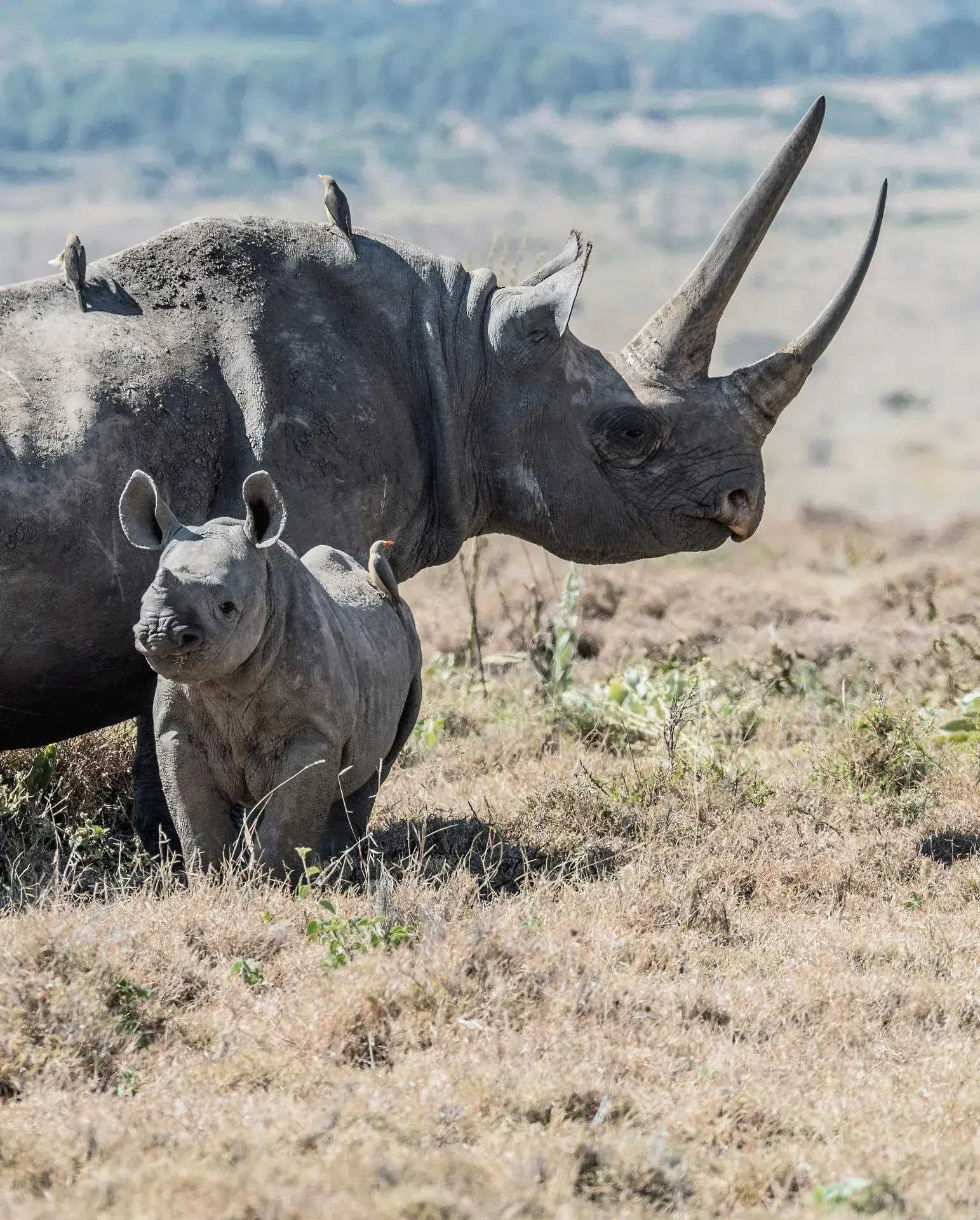
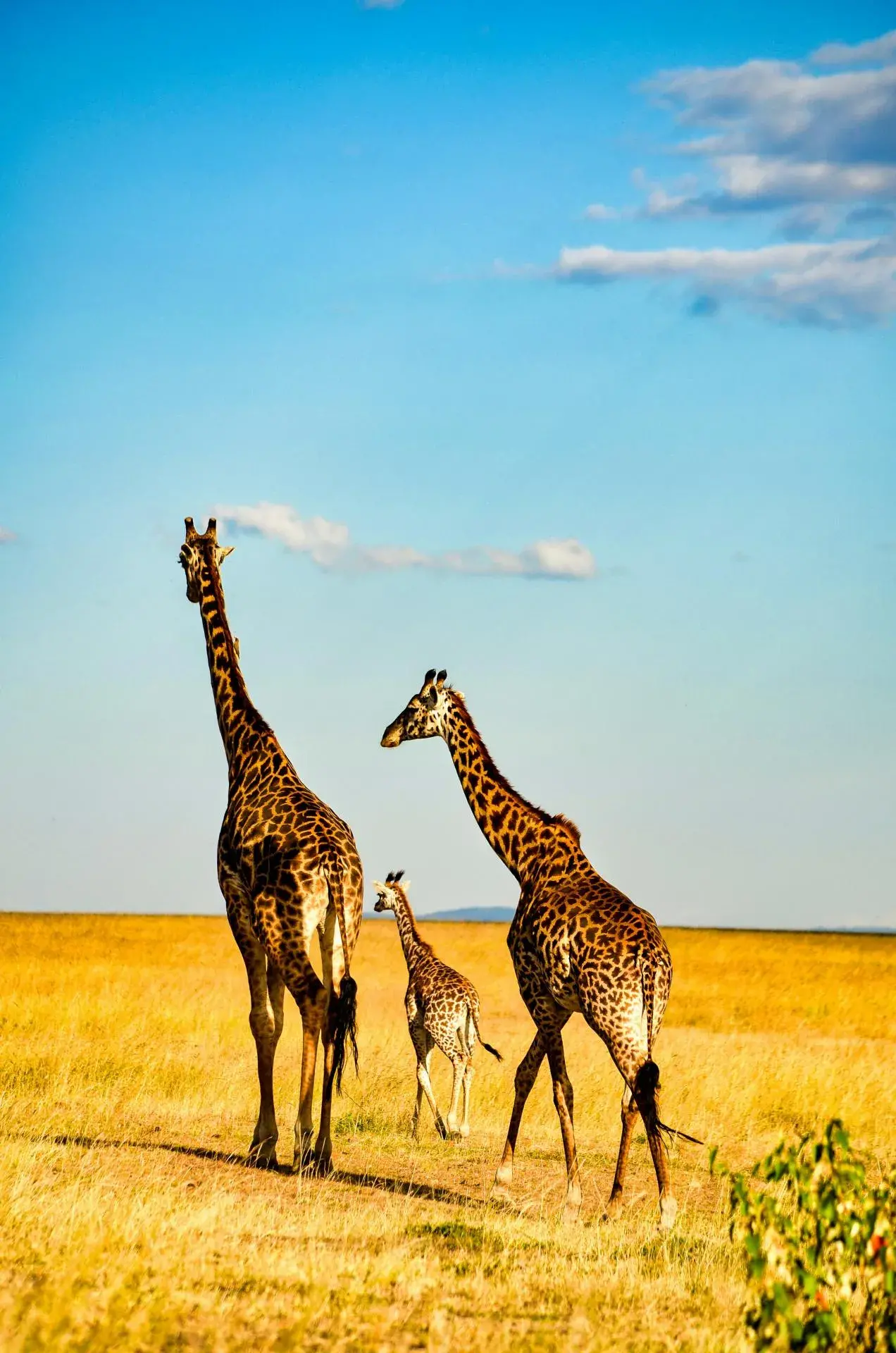
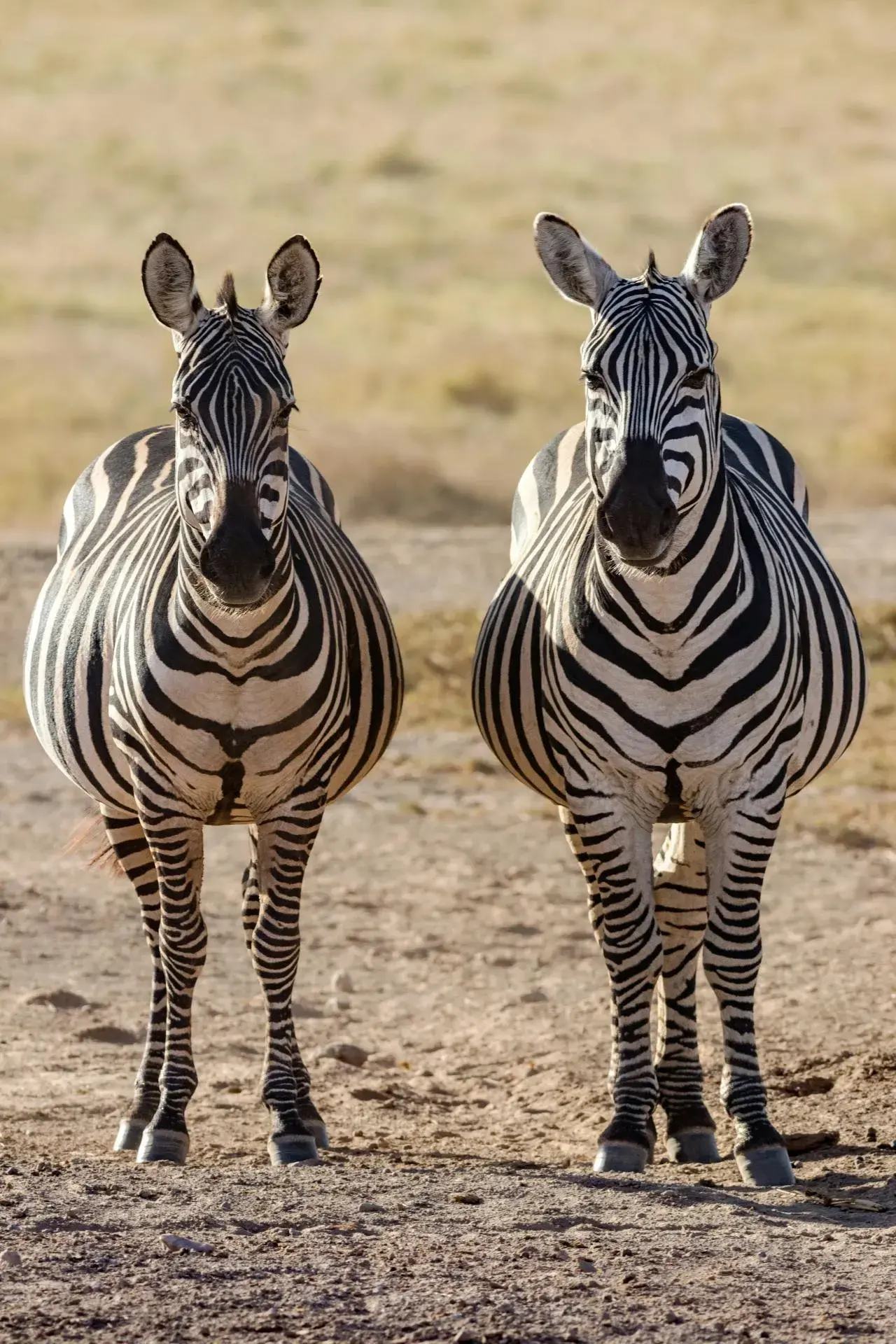
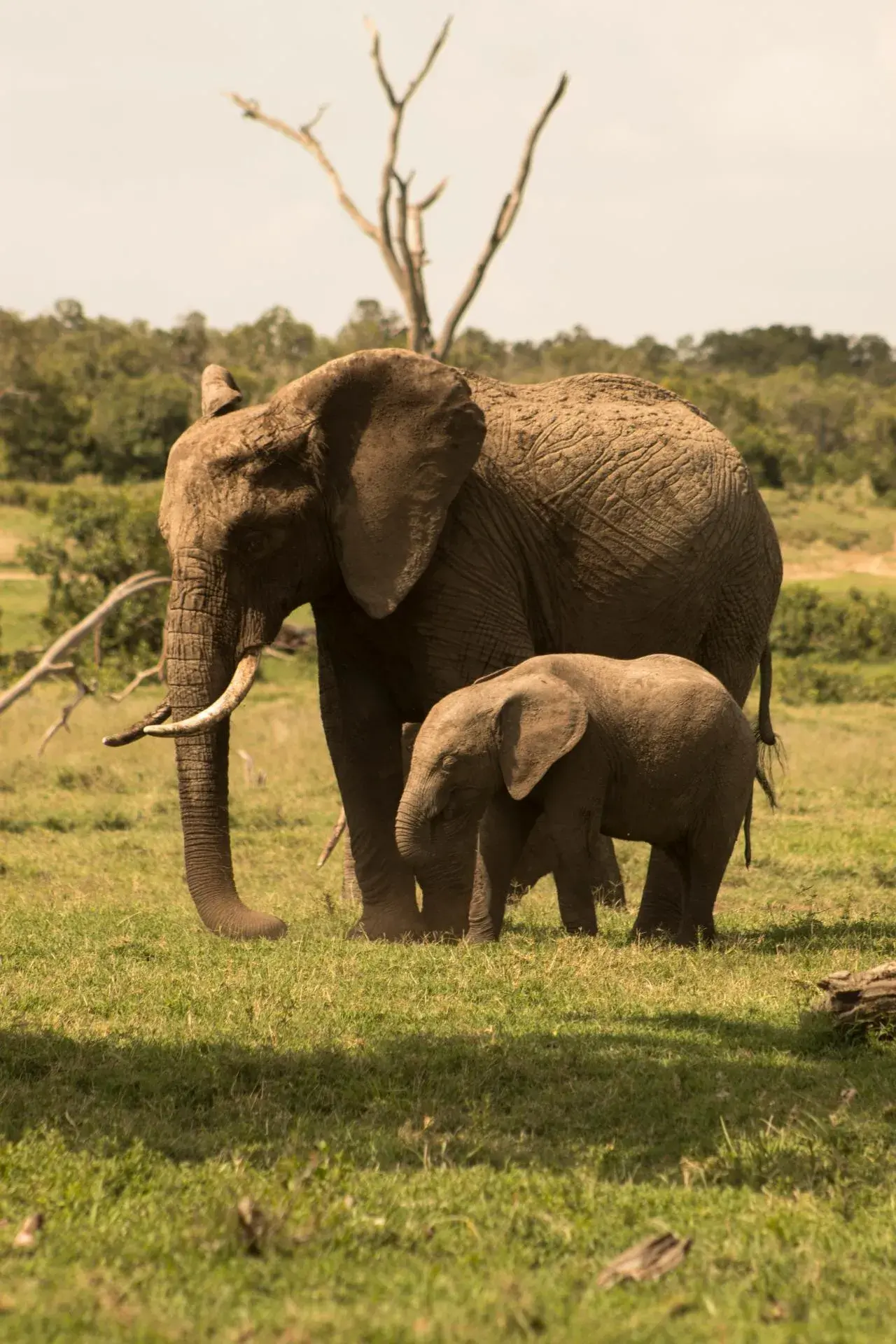
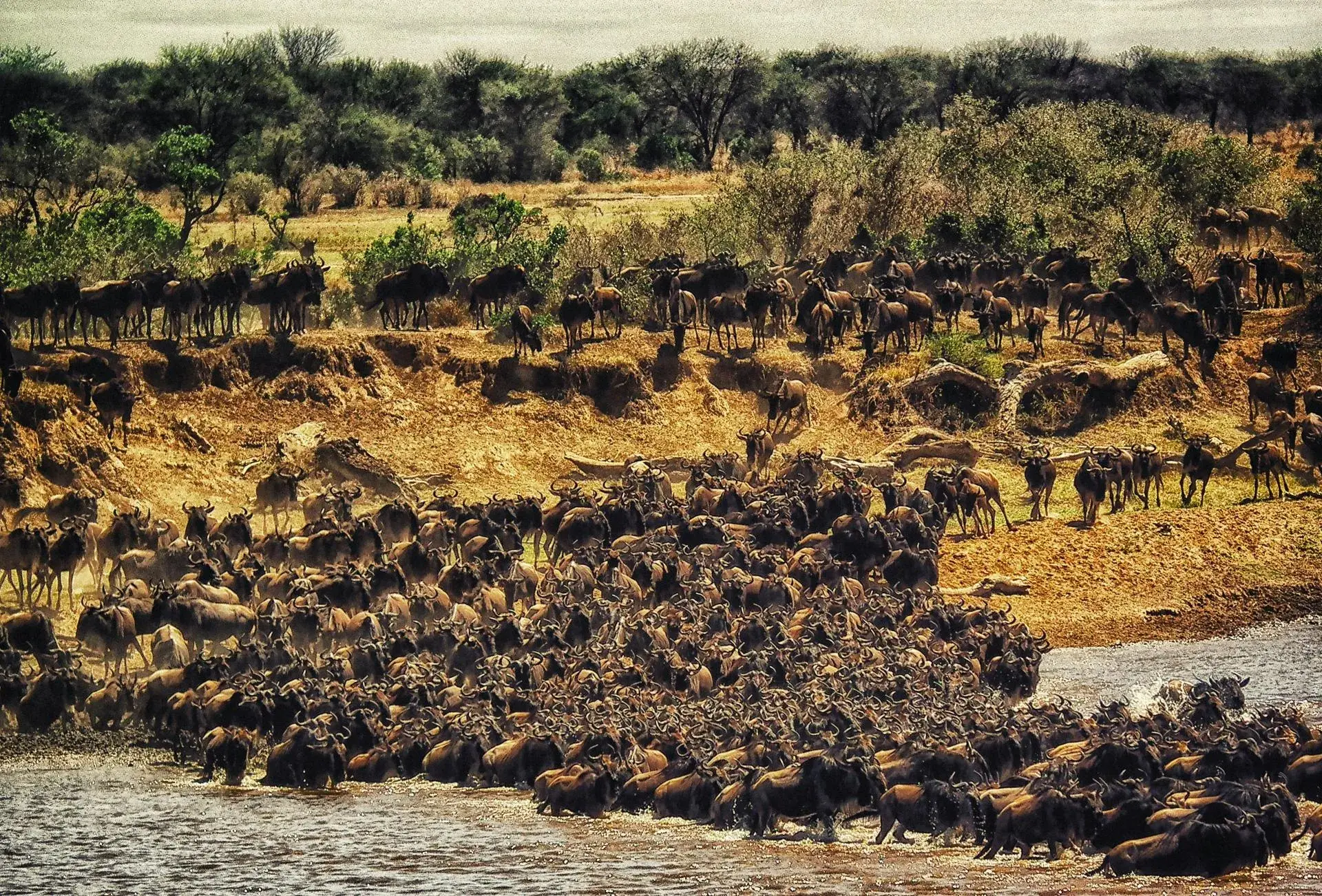
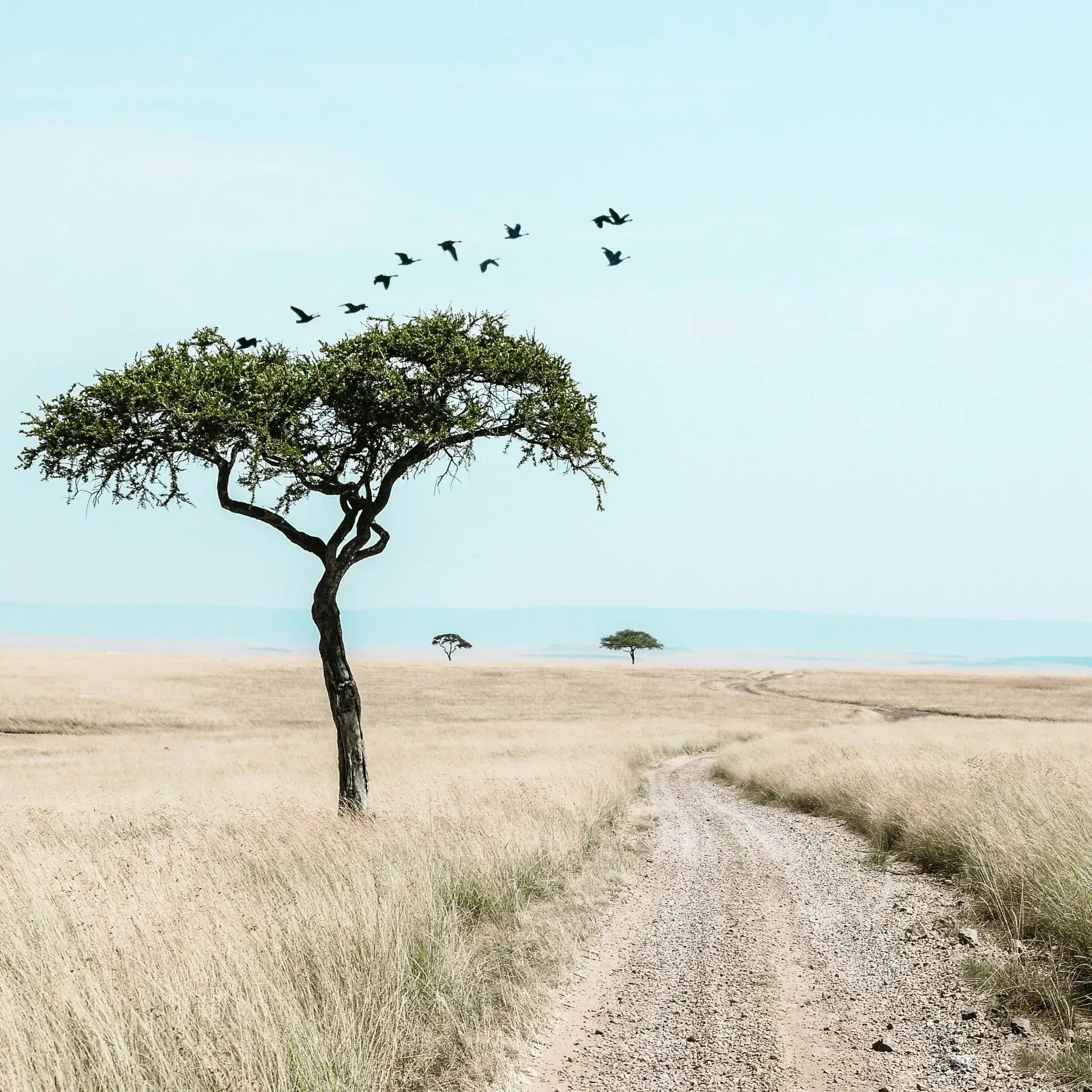
Vast savannahs stretch under open skies as herds move through the Masai Mara, elephants cross sunlit plains beneath the distant silhouette of Mount Kilimanjaro and forests rise toward Mount Kenya.
Overview
Kenya is a country rich in wildlife, culture, history, beauty and friendly, welcoming people. Kenya is geographically diverse, from snow-capped mountain peaks to extensive forests to wide-open plains. Key geographical attractions include the Great Rift Valley, which features extinct volcanoes and hot springs, and Kenya's coastline, complete with reefs and magnificent beaches. Combine all this with a well-developed tourist infrastructure of hotels, lodges, campsites and a variety of activities, and it’s no wonder Kenya is a popular tourist destination attracting millions of visitors each year.
580,367 sq km (224,080 sq miles), or a bit smaller than France.
Ethiopia, Somalia, South Sudan Tanzania & Uganda
English (official), Kiswahili (official), numerous indigenous languages
Suggested Journeys
Featured Properties
When to Travel
Climate
Kenya enjoys a warm tropical climate with sunshine throughout the year. Because the country lies on the equator, temperature changes are moderate, though weather varies by region and elevation. The hottest months are February and March, when temperatures may reach 34°C (93°F). The coolest period is July and August, when temperatures in the highlands can drop to about 16°C (60°F). Overall, Kenya offers comfortable weather for wildlife viewing, outdoor activities, and beach holidays year-round.
Best Time for Safari
One of Kenya’s greatest wildlife events is the Great Migration in the Maasai Mara, when vast herds of wildebeest and zebra cross the plains between July and October. Many parks are also excellent during the dry seasons from January to March and July to October. During these months, animals gather around rivers and waterholes, making them easier to find. Vegetation is thinner, improving visibility and creating excellent conditions for unforgettable safari experiences.
Best Time for the Coast
Kenya’s Indian Ocean coastline offers beautiful beaches and historic Swahili towns. The best time to visit coastal areas such as Lamu, Malindi, and Watamu is generally from December to March, when the weather is sunny and ideal for swimming and relaxing by the sea. Ocean breezes help keep the heat comfortable. The heaviest rains occur from April to May, with a shorter rainy season from October to November, though warm temperatures persist most of the year.
Mount Kenya Trekking
Mount Kenya, Africa’s second-highest peak, has permanent snow near its summit and cooler temperatures year-round. Nights at higher elevations can drop to about −10°C (14°F). Mornings are usually clear, with clouds forming later in the day. Trekking is possible throughout the year but becomes more difficult during the rainy seasons from mid-March to mid-June and October to mid-December. The best climbing conditions are typically from January to February and July through October.
Northern Kenya
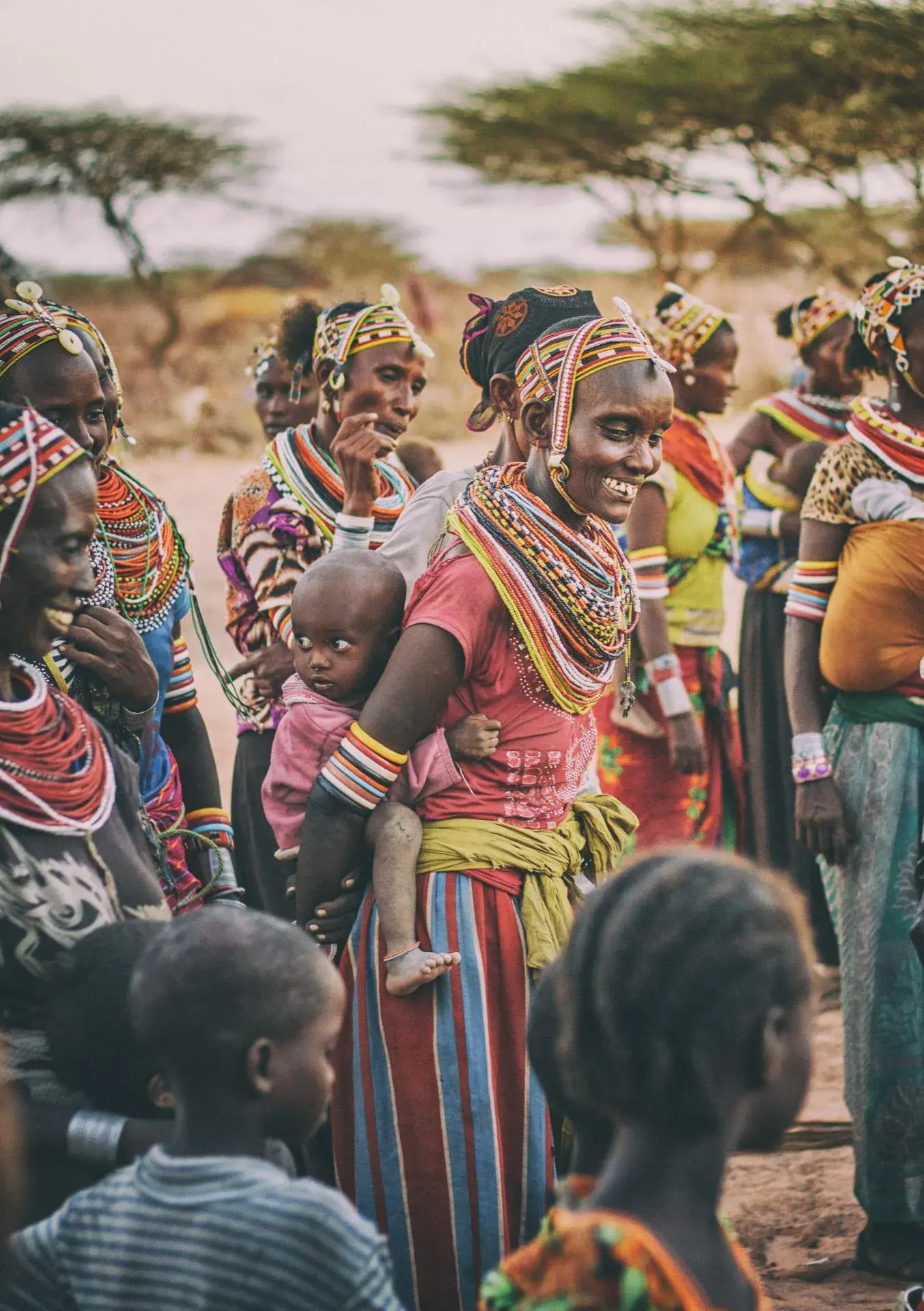
Northern Kenya is a remote region of dramatic landscapes, wide open skies, and rugged beauty. Rainfall is limited and sunshine is abundant year-round. Temperatures typically range between about 20°C and 40°C (68°F–104°F). The most comfortable months to visit are June through August and again in December. The region is sparsely populated and home to several traditional communities, including the Samburu people, offering travelers a unique cultural and wilderness experience.
In short:
• July–October: Best for migration and large game viewing
• January–March: Excellent overall safari conditions
• April–May: Lush scenery, fewer crowds
• November–December: Good for birding and greener landscapes
Travel highlights
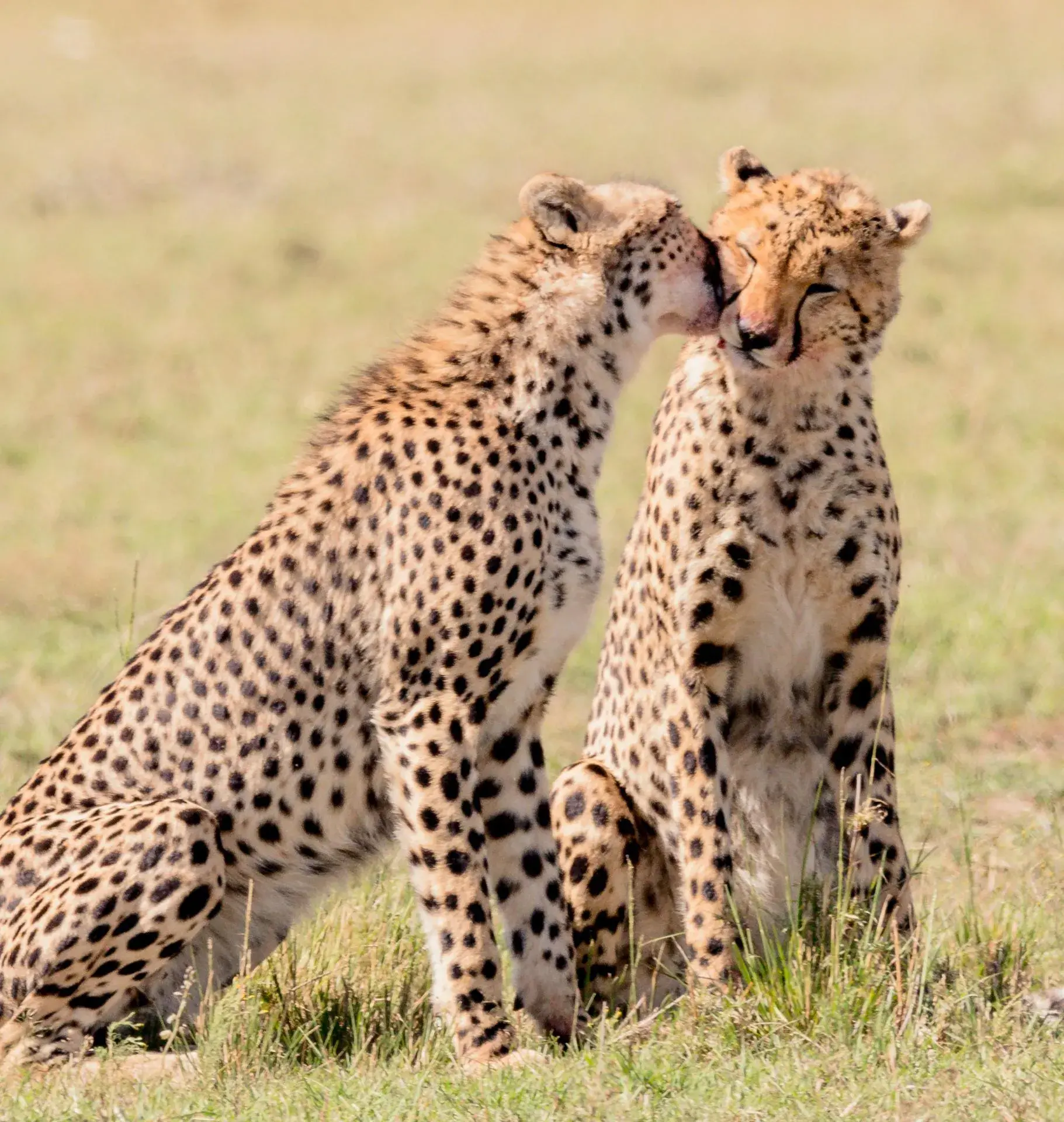
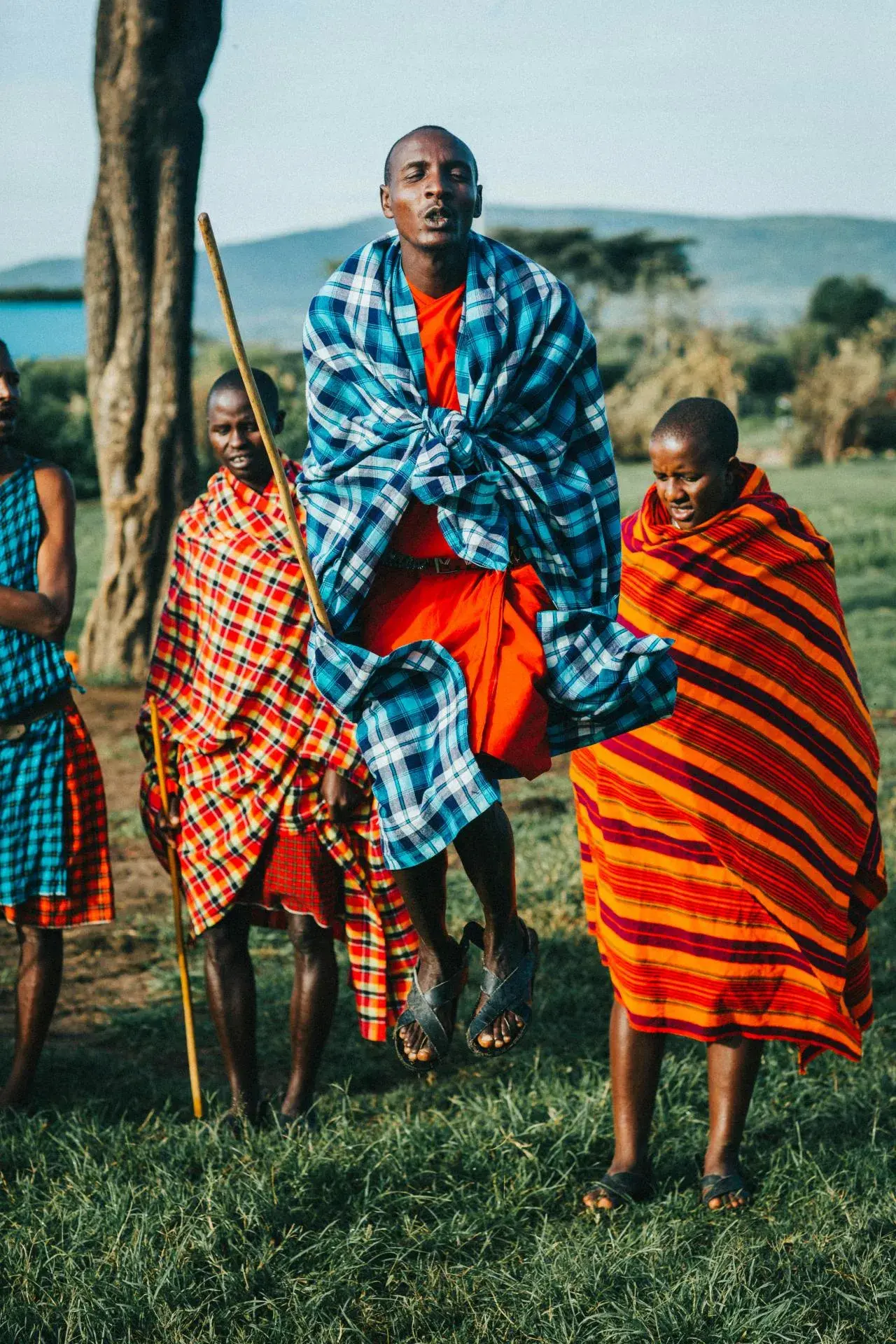
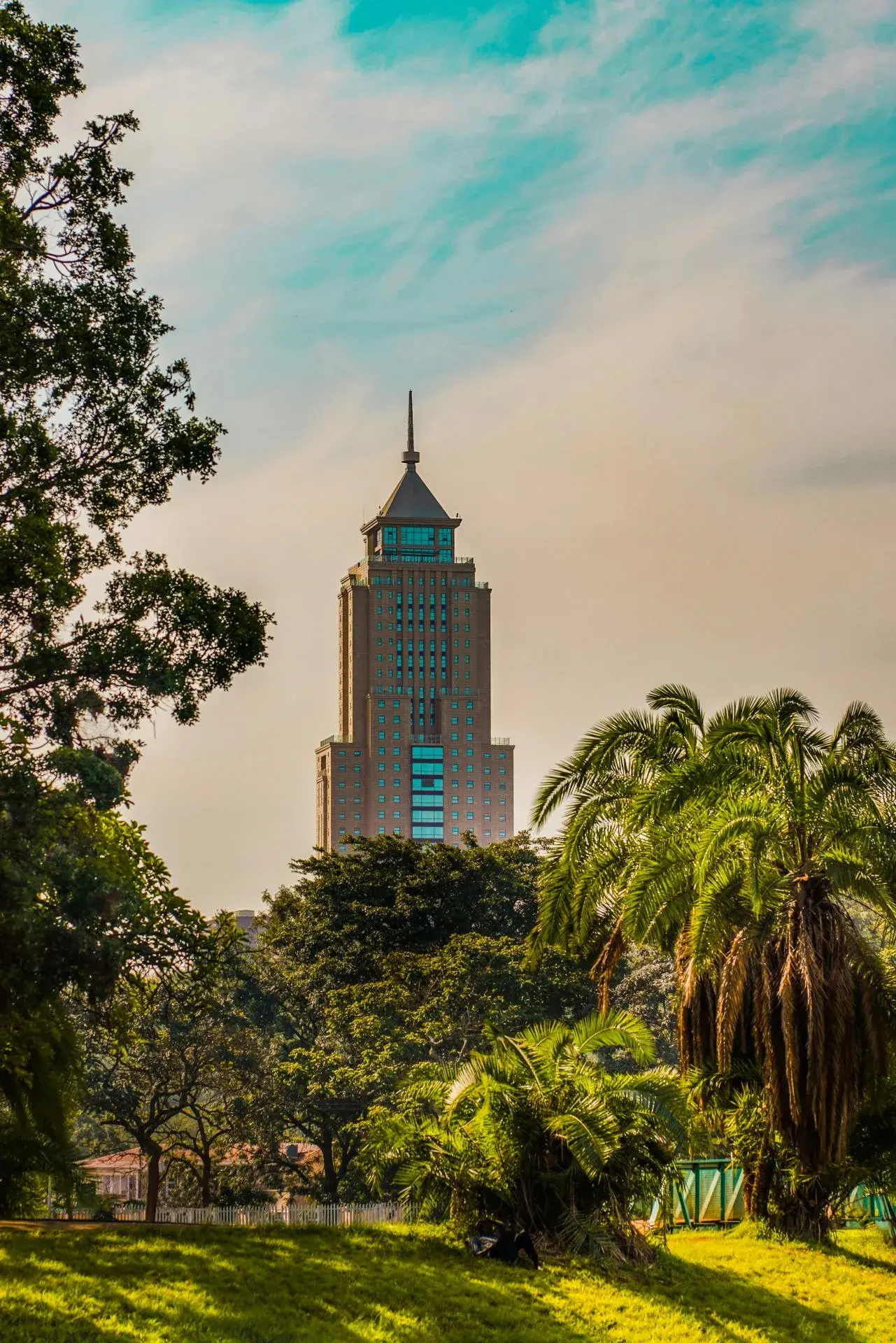
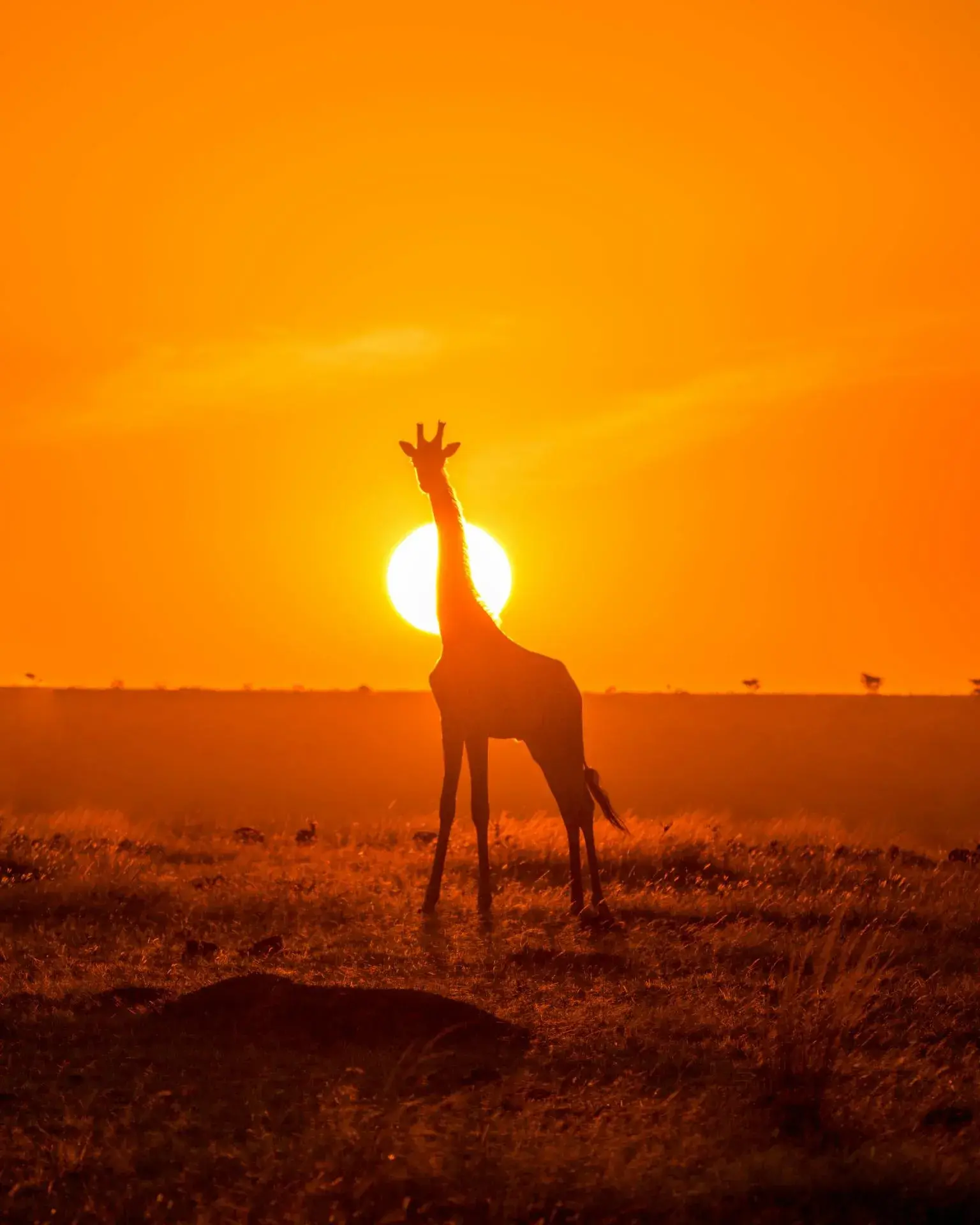
In Kenya, wide savannahs stretch beneath open skies where herds of zebra and wildebeest move across the plains, closely followed by predators. In the Masai Mara, the rhythm of the Great Migration brings constant movement and energy to the landscape. To the south, Amboseli’s open plains are framed by distant views of Mount Kilimanjaro, with elephants crossing through swamps and grasslands. Along the Rift Valley, lakes attract flocks of birds and varied wildlife, while highland forests around Mount Kenya offer a cooler, quieter contrast. In Nairobi, conservation centers and cultural sites provide insight into both wildlife and history, creating a journey that blends nature, scale, and a strong sense of place.
Things to consider
-
Neutral, lightweight clothing in breathable fabrics is best for safari, helping you stay comfortable and blend into the environment. Early mornings and evenings can be cool, especially in higher elevations, so layering with a light jacket or fleece is recommended. Comfortable closed shoes are important for walking. A hat, sunglasses, and sunscreen are essential, and it is best to avoid bright colors and dark blue or black, which can attract insects.
-
No mandatory vaccinations are required unless arriving from a yellow fever area, though proof may be requested if traveling through affected countries. Recommended vaccines typically include hepatitis A, typhoid, and routine immunizations. Malaria prevention is advised in most safari regions, so consultation with a healthcare provider before travel is important.
-
The currency is the Kenyan Shilling (KES). Credit cards are widely accepted in hotels, lodges, and larger establishments, while cash is useful for tips and small purchases. ATMs are available in cities such as Nairobi but limited in remote areas.
-
Kenya is generally safe in established safari areas and with organized travel. In cities, basic precautions are recommended, including avoiding displaying valuables and using reputable transportation. In wildlife areas, following guide instructions is essential, as animals move freely.
-
Tap water is not recommended for drinking. Bottled or filtered water is provided in lodges and should be used for drinking and brushing teeth. Food standards in safari camps and hotels are high, with fresh, well-prepared meals.
Entry requirements:
US and Canadian citizens must have a passport valid for at least six months beyond entry, with at least one blank page. A visa is required and is obtained online in advance through Kenya’s Electronic Travel Authorization (eTA) system. Travelers are typically asked to show proof of onward or return travel and may be required to provide accommodation details. Requirements can change, so it is advisable to verify details prior to departure.