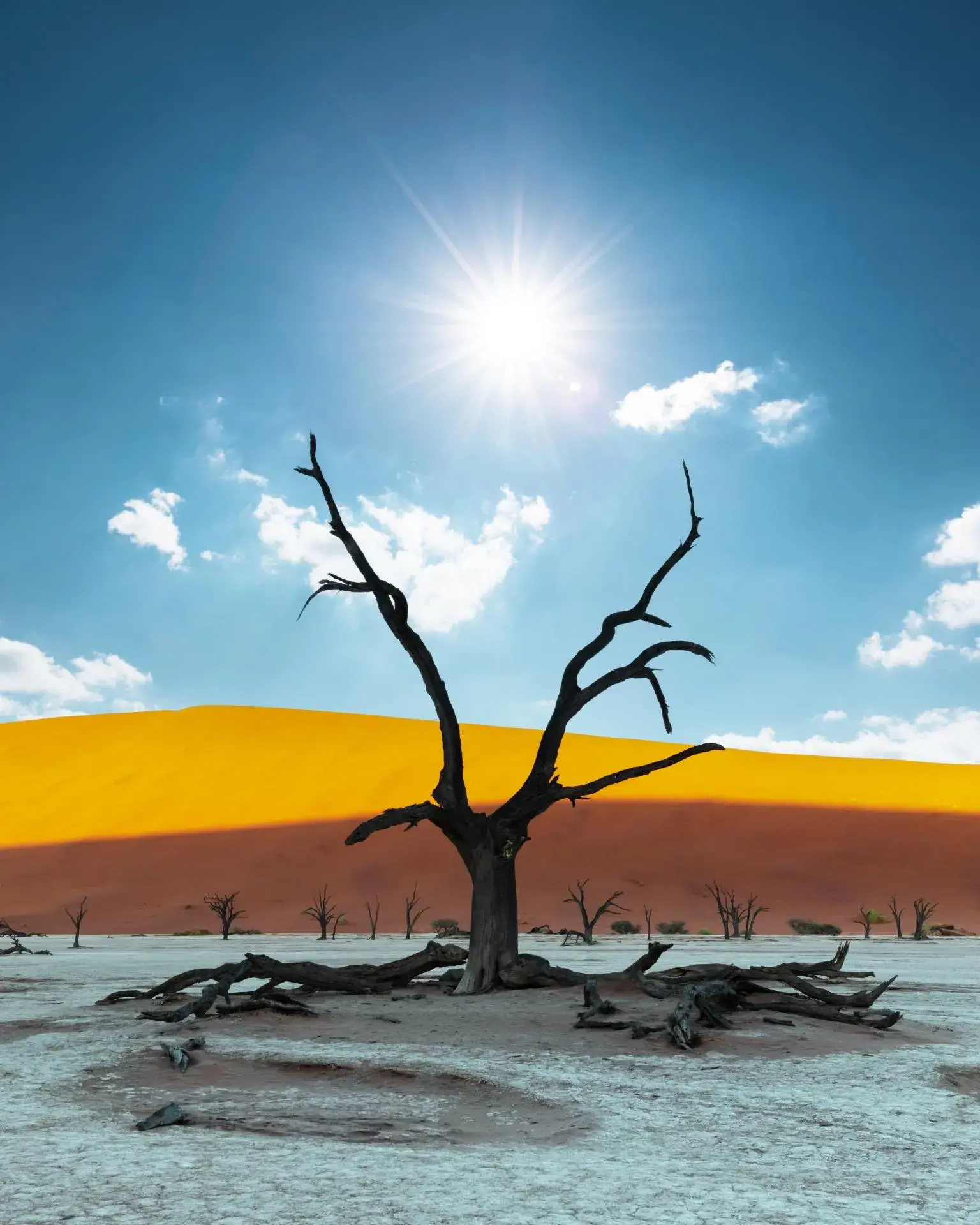
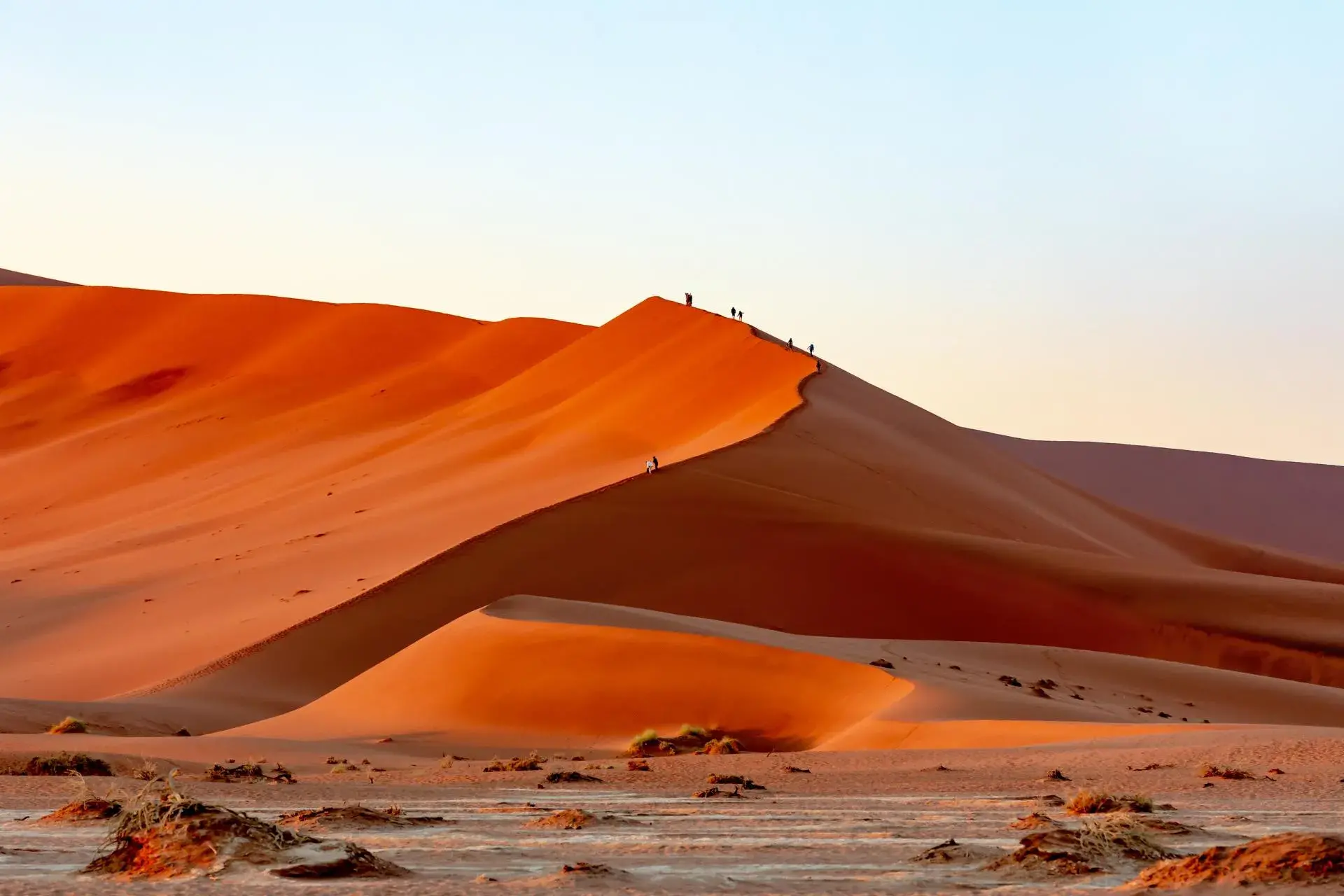
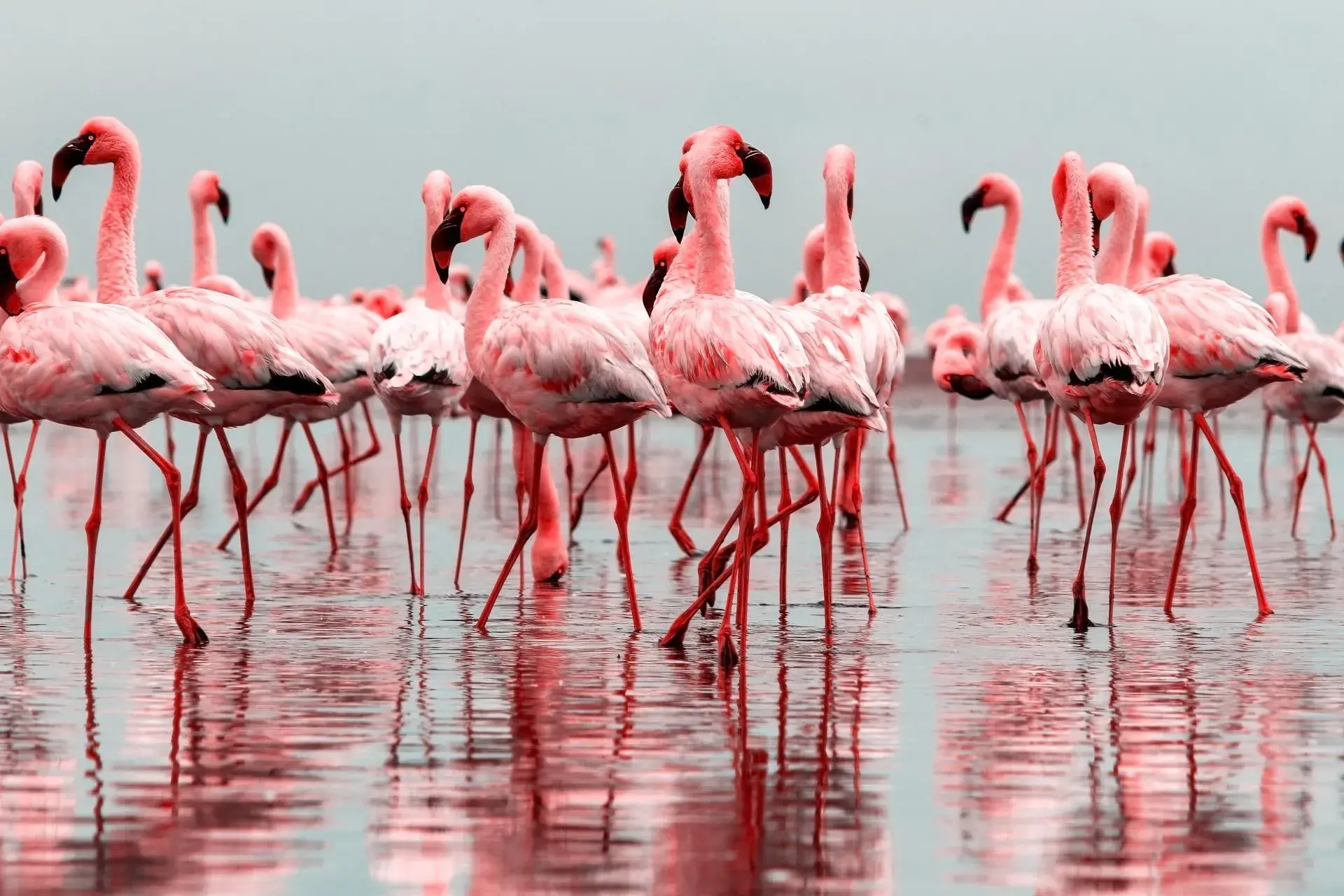
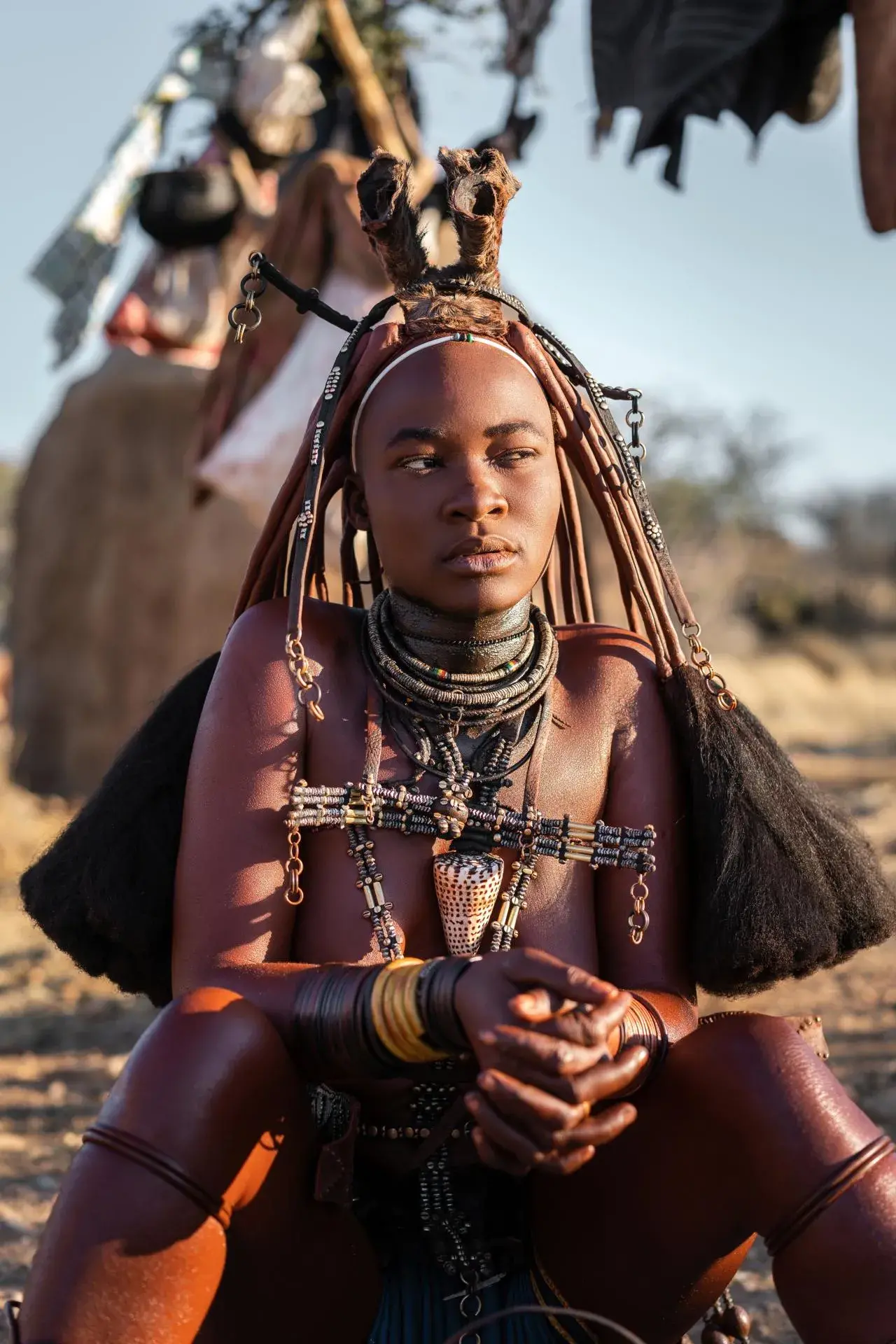
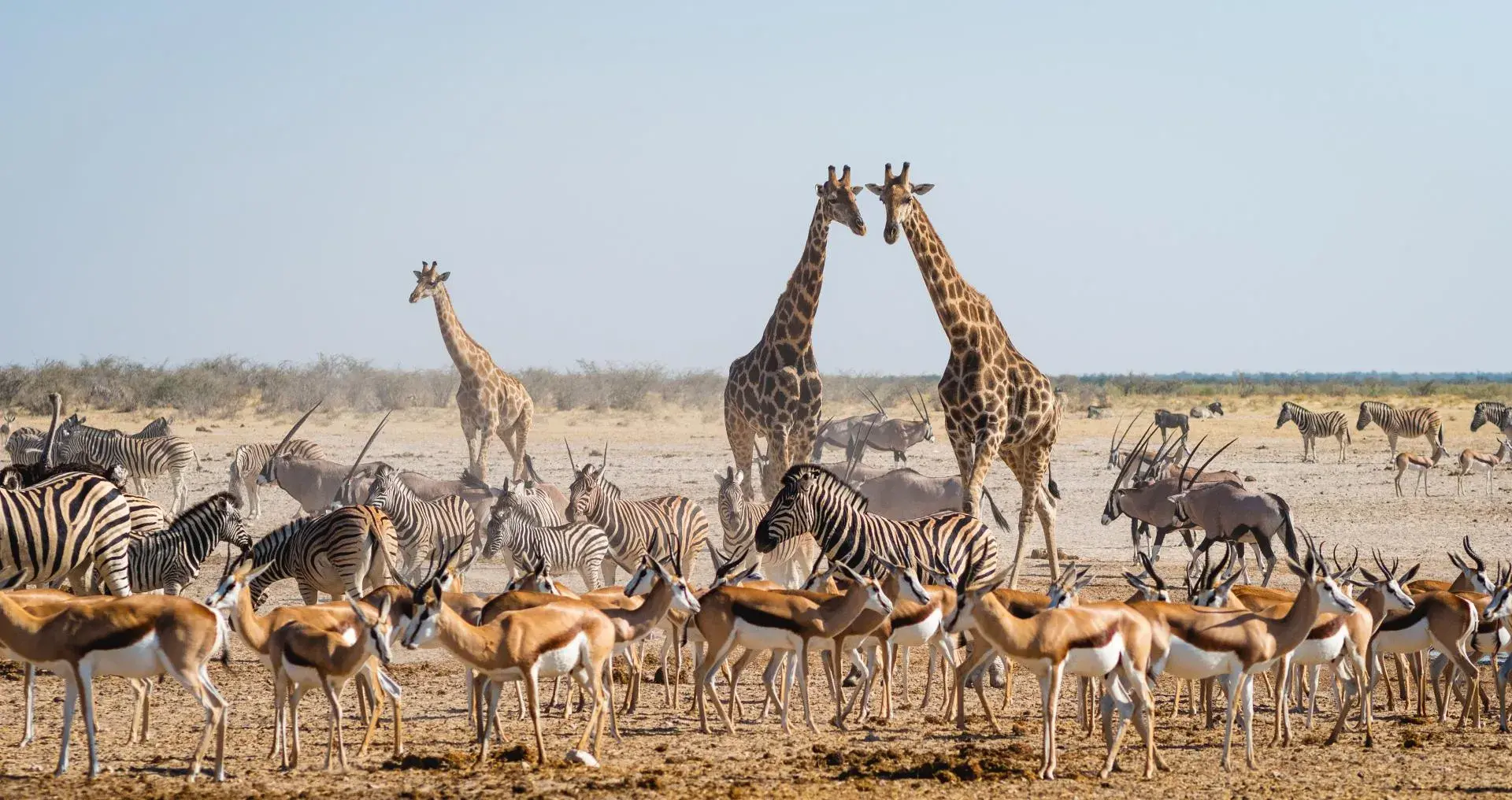
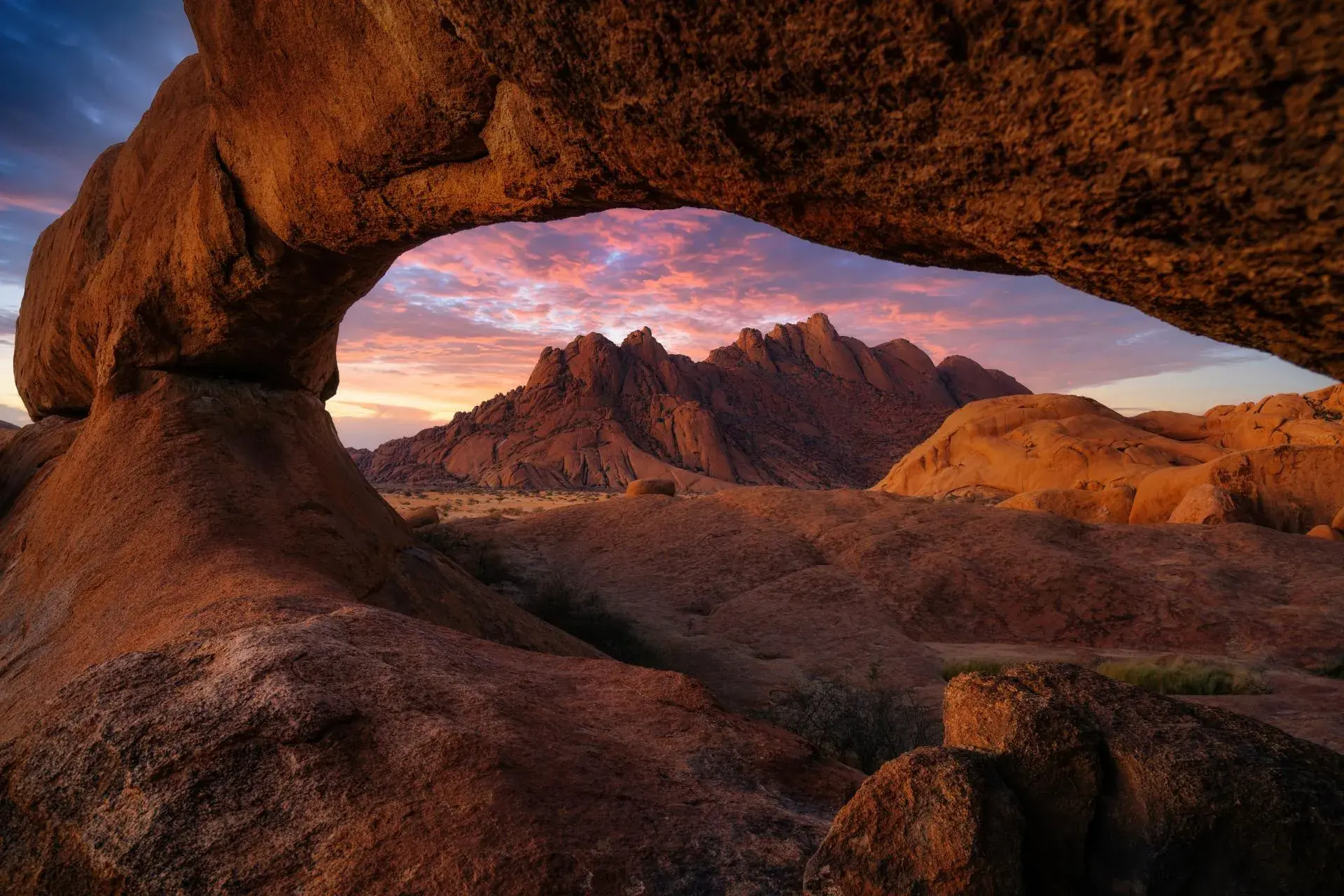
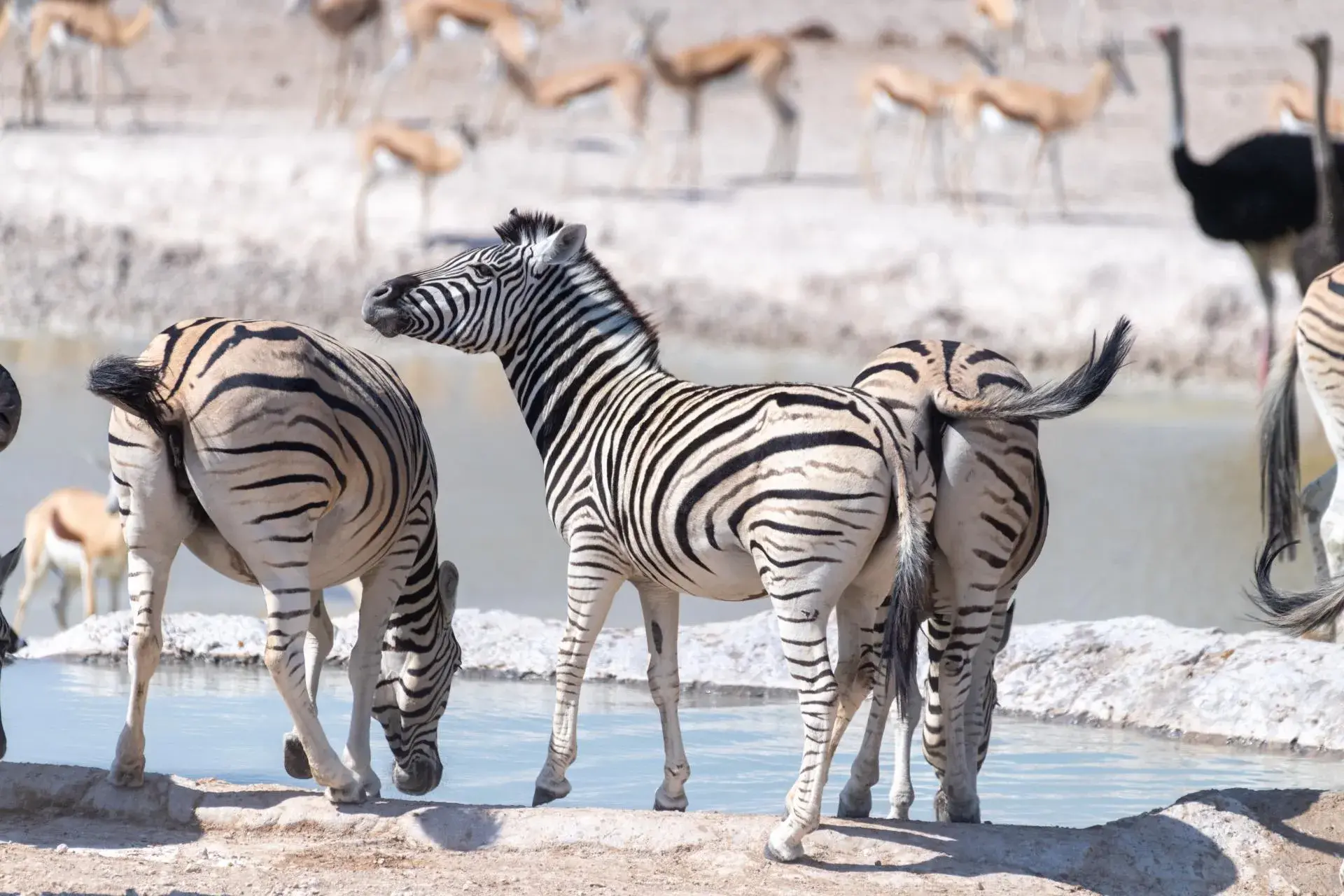
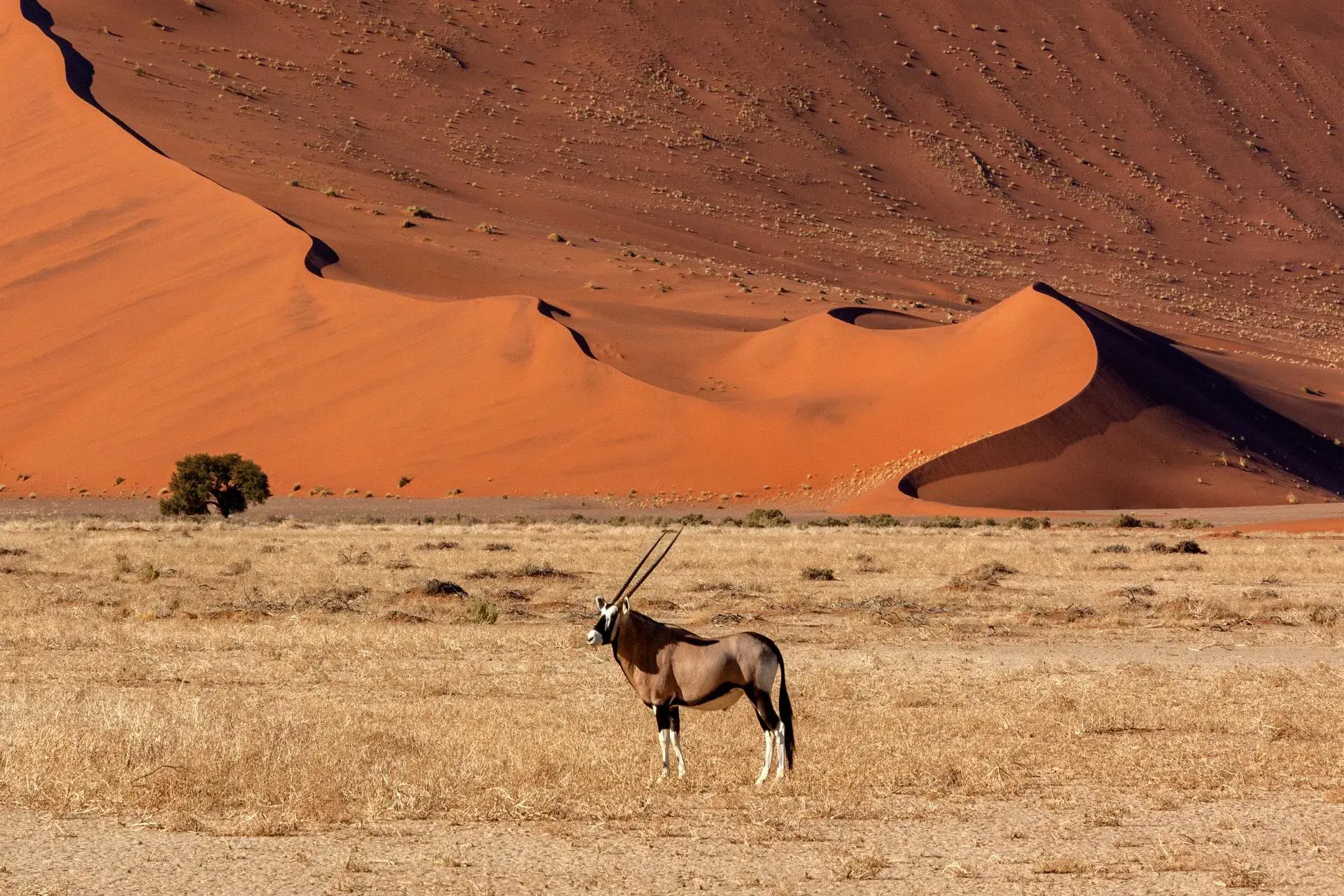
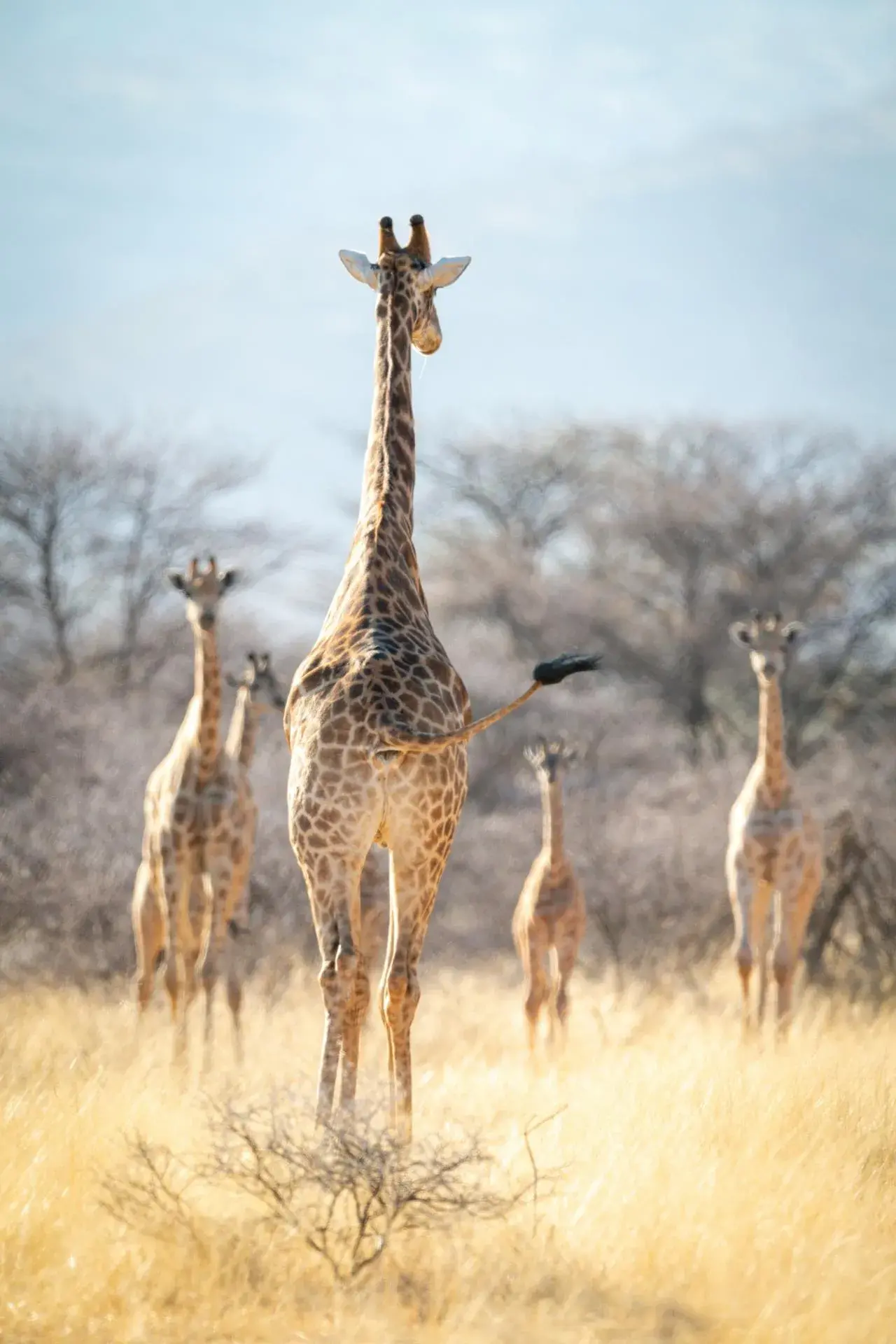
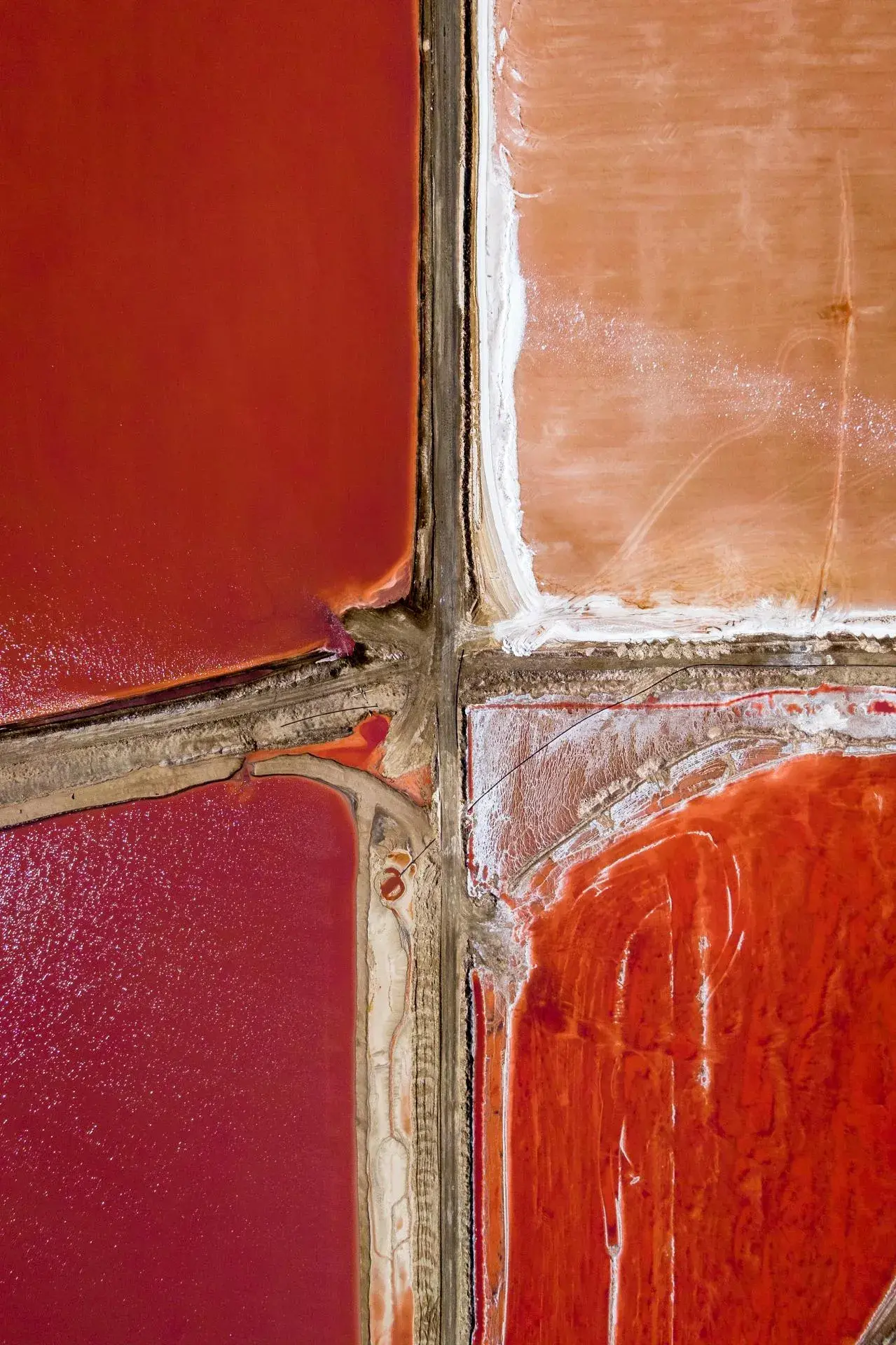
Vast ochre dunes meet endless horizons under an immense sky where silence carries across ancient landscapes, wildlife moves with quiet purpose, and the rhythm of the land feels both timeless and deeply grounding.
Overview
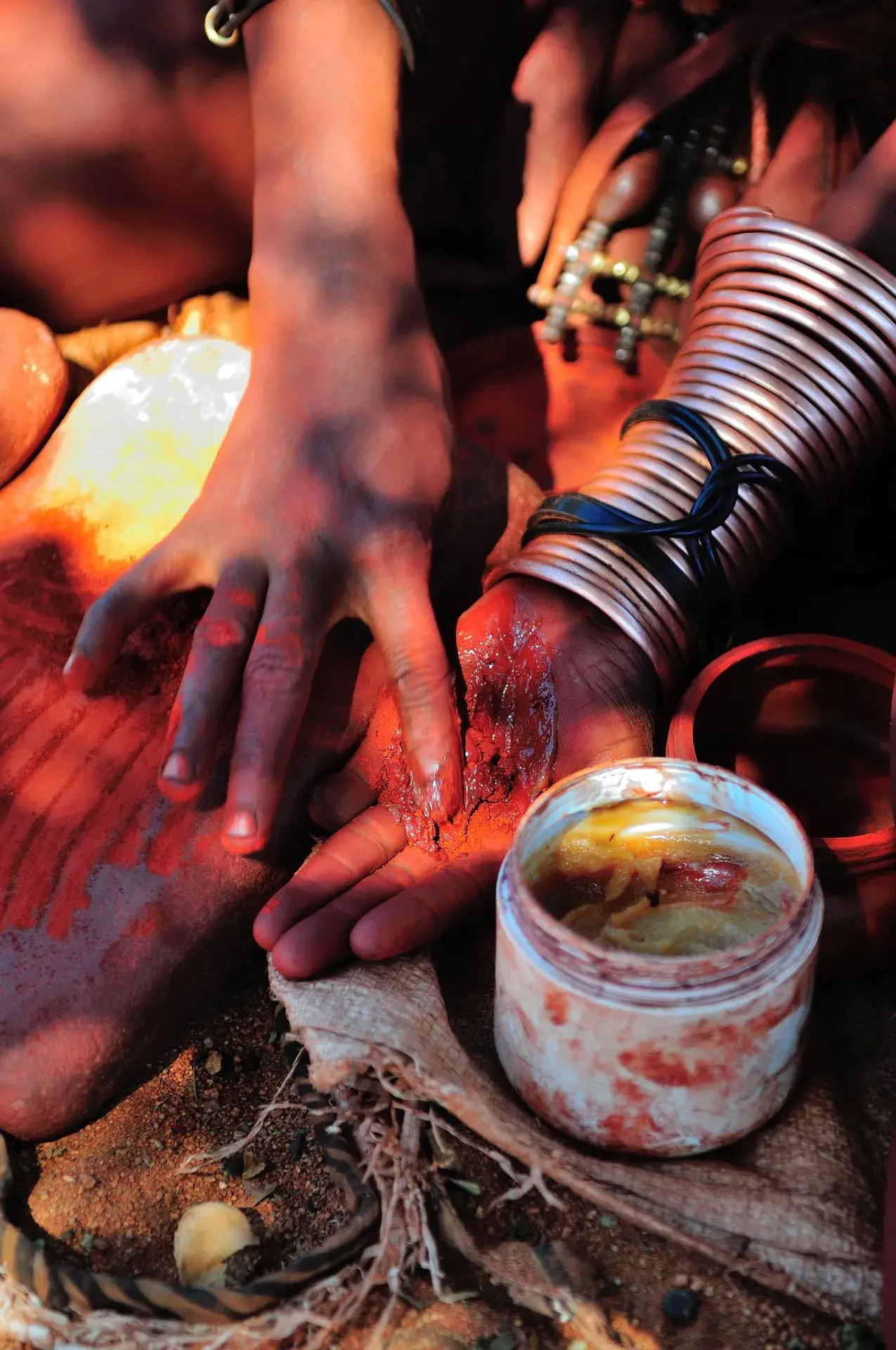
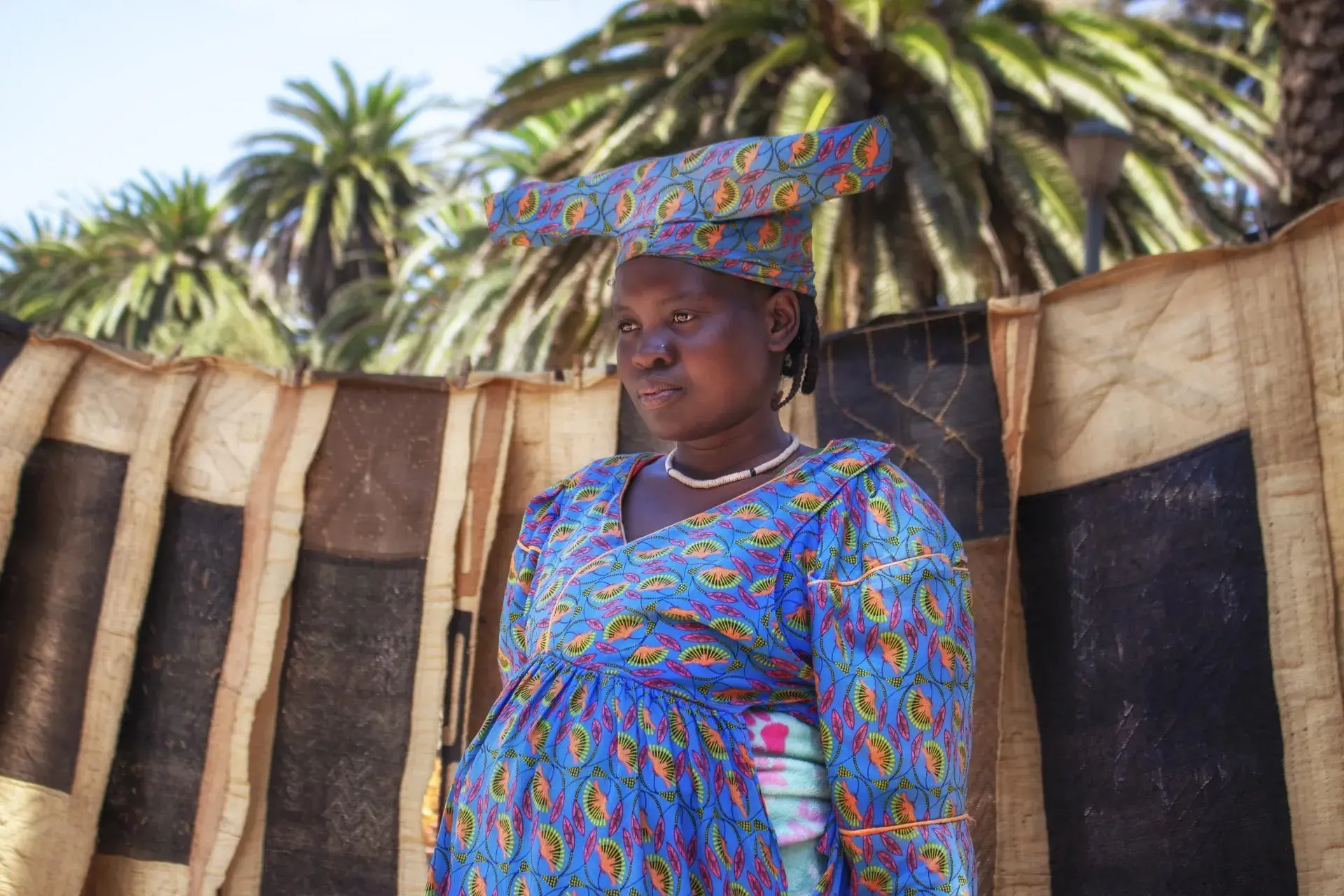
Namibia is a vast and sparsely populated country in southwestern Africa, its early history rooted in indigenous communities such as the San, Damara, and Herero, whose presence and traditions remain part of the cultural fabric today. In the late 19th century, Namibia became a colony of Germany, a period marked by infrastructure development but also by the devastating Herero and Namaqua genocide, one of the earliest genocides of the 20th century.
After World War I, administration passed to South Africa, which imposed apartheid policies that reinforced inequality and controlled land and movement for decades. A long struggle for independence followed, led by movements such as SWAPO, culminating in independence in 1990. Since then, Namibia has developed into a stable, democratic nation with a focus on conservation, sustainable tourism, and responsible land management.
This layered history is visible today in its cultural diversity, its mix of German colonial architecture and African traditions, and its strong emphasis on protecting natural environments, positioning Namibia as a destination where history, resilience, and landscape are closely intertwined.
Approximately 825,615 km², or slighly larger than Texas
Angola, Zambia, Botswana, South Africa
English (official), Afrikaans (most widely spoken), German, Oshiwambo, Herero and many other indigenous languages
Featured Properties
When to Travel
Namibia can be visited year-round, with each season offering a different experience.
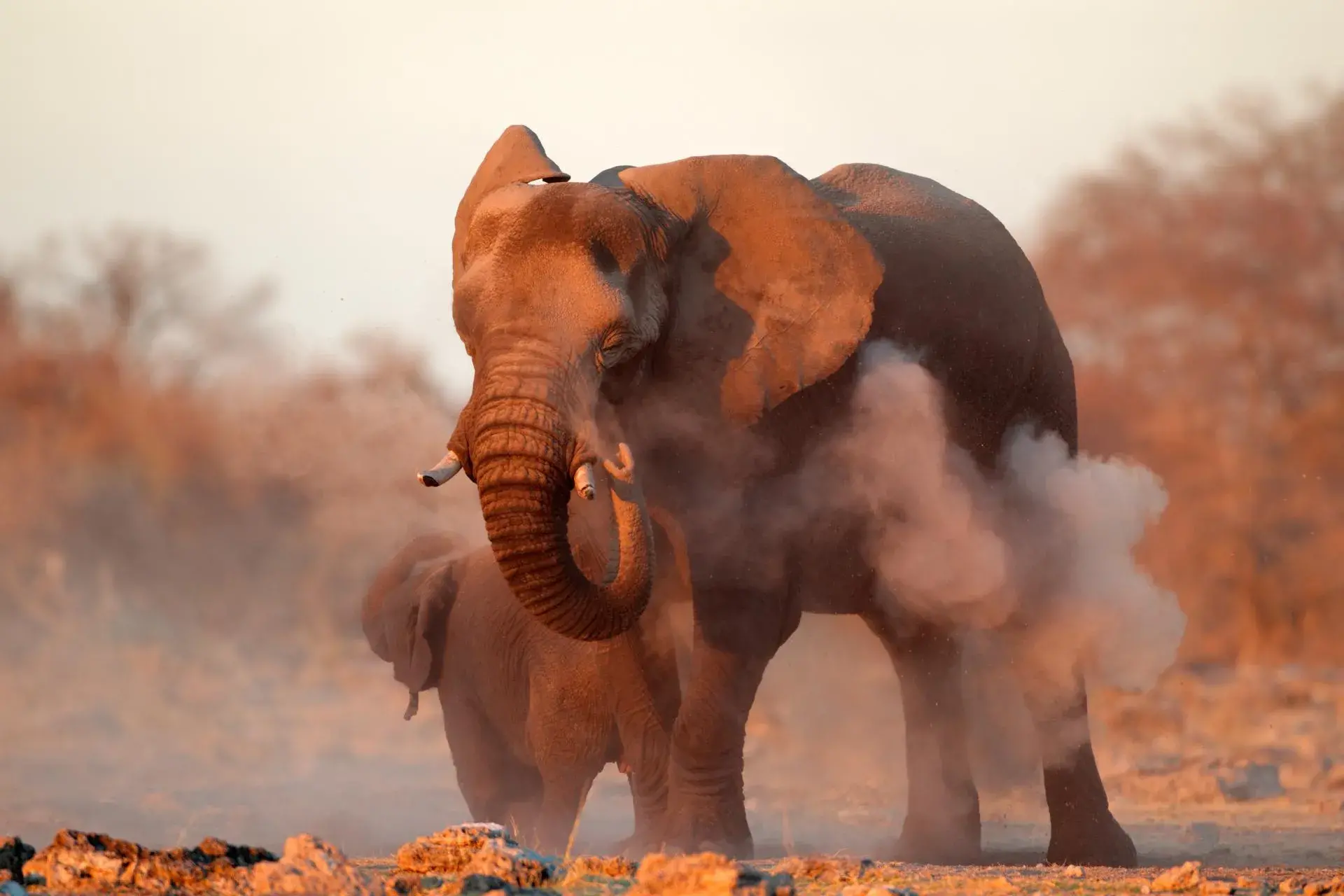
May to October (dry season / winter) is the most popular time to travel, with clear skies, mild daytime temperatures around 20–25°C (68–77°F), and cooler mornings and evenings that can drop to 5–10°C (41–50°F). Wildlife viewing is at its best, especially in Etosha National Park, as animals gather around water sources.
November to April (green season / summer) brings warmer temperatures, often 25–35°C (77–95°F), with occasional rains that transform the landscape into a greener, more vibrant setting. This period is excellent for birdlife and offers a more open feel with fewer travelers, while areas like Sossusvlei remain accessible year-round.
For a balanced experience with good weather, fewer crowds, and strong wildlife viewing, the shoulder months of April–May and October–November are often ideal.
Travel highlights
Things to consider
-
Lightweight, breathable clothing in neutral colors works best, especially for safari areas. During the day, temperatures can reach 25–35°C (77–95°F), while mornings and evenings, particularly between May and September, can drop to 5–10°C (41–50°F), so layering is important. A light jacket, fleece, comfortable walking shoes, hat, sunglasses, and sunscreen are essential, and a scarf or buff is useful for dust.
-
Routine vaccinations should be up to date, including tetanus, hepatitis A, and typhoid. Malaria risk exists in the northern regions, including Etosha National Park, especially during the wetter months, so preventative medication may be advised.
Yellow fever vaccination is only required if arriving from a country with risk of transmission.
-
The local currency is the Namibian Dollar (NAD), which is pegged 1:1 to the South African Rand (ZAR), and both are accepted. Credit cards are widely used in hotels, lodges, and restaurants, particularly Visa and Mastercard, while American Express is less commonly accepted. ATMs are available in towns, but it is advisable to carry some cash for remote areas and smaller purchases.
-
Namibia is considered one of the safer countries in Africa for travelers, with good infrastructure and low population density. Basic precautions are recommended, particularly in urban areas like Windhoek and Swakopmund, such as avoiding walking alone at night and not displaying valuables. On safari, always follow guide instructions, especially around wildlife.
-
Tap water is generally safe to drink in most towns and lodges, though many travelers prefer bottled or filtered water, which is widely available. Food standards are high, especially in lodges and established restaurants, with a strong focus on fresh ingredients and well-prepared meals.
Entry requirements:
For U.S. and Canadian citizens traveling to Namibia, a visa is not required for stays of up to 90 days, provided the passport is valid for at least six months beyond the travel dates and contains at least two to three blank pages. Travelers may be asked to show proof of onward or return travel and sufficient funds, and a yellow fever vaccination certificate is only required if arriving from a country with risk of transmission.