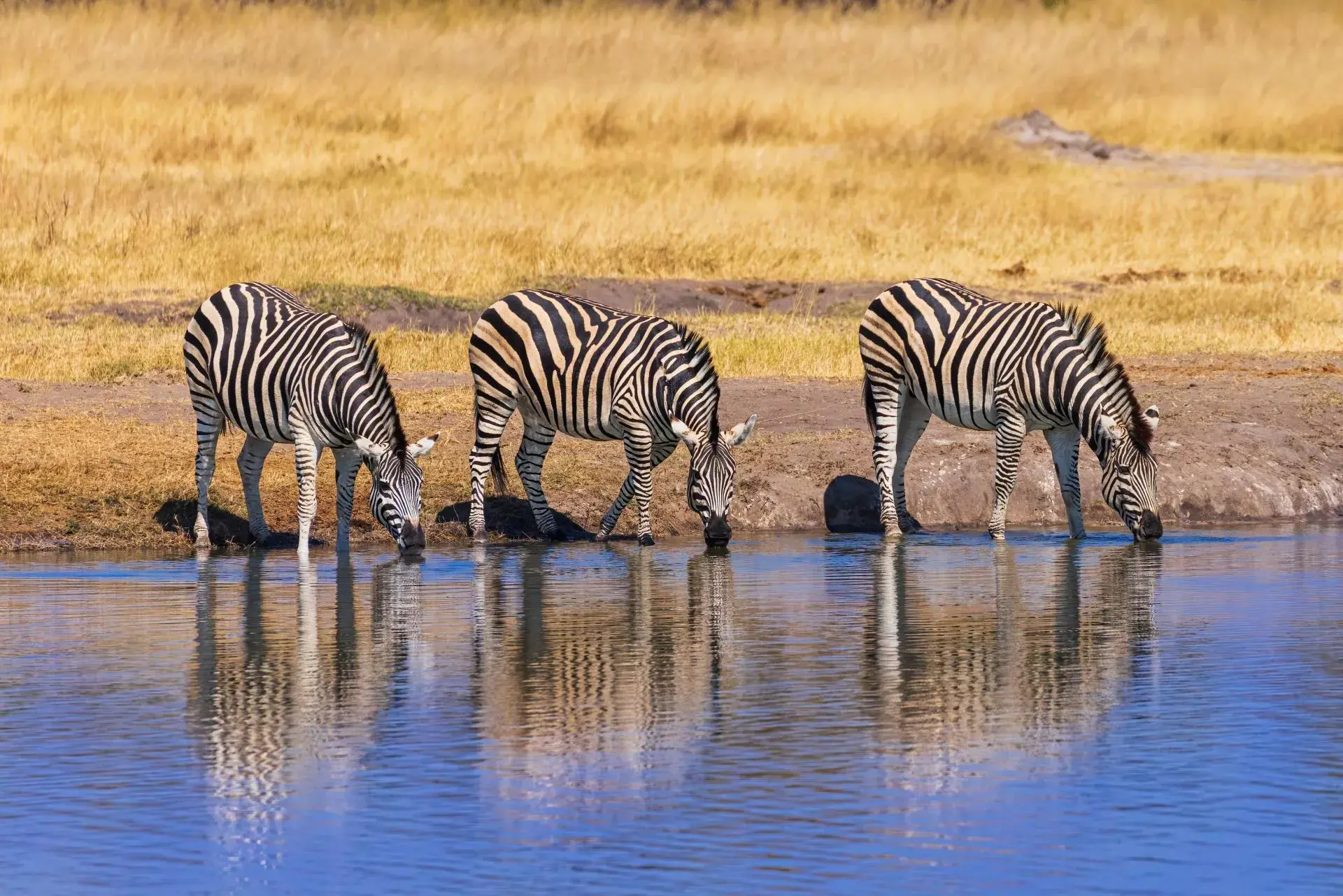
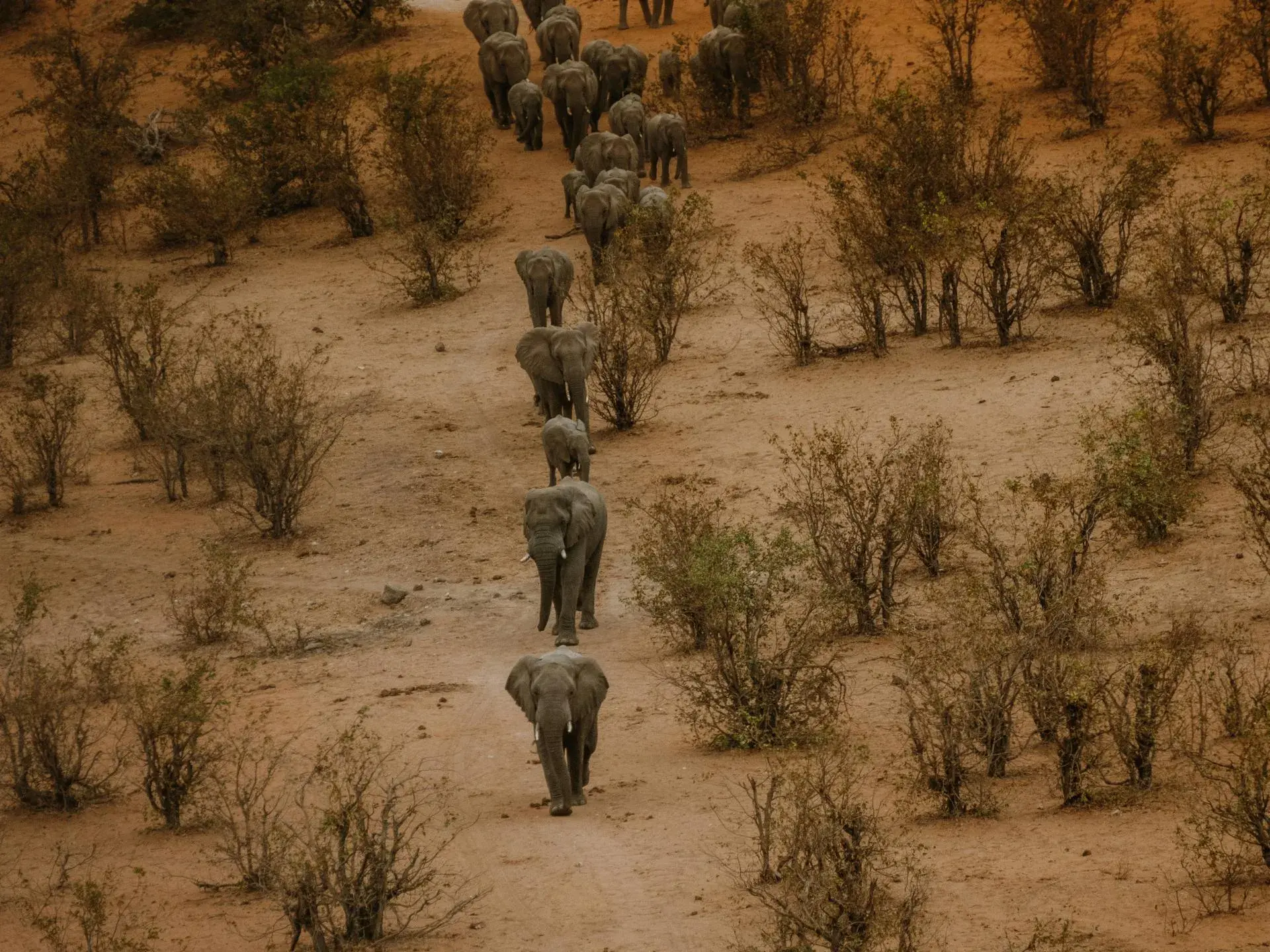
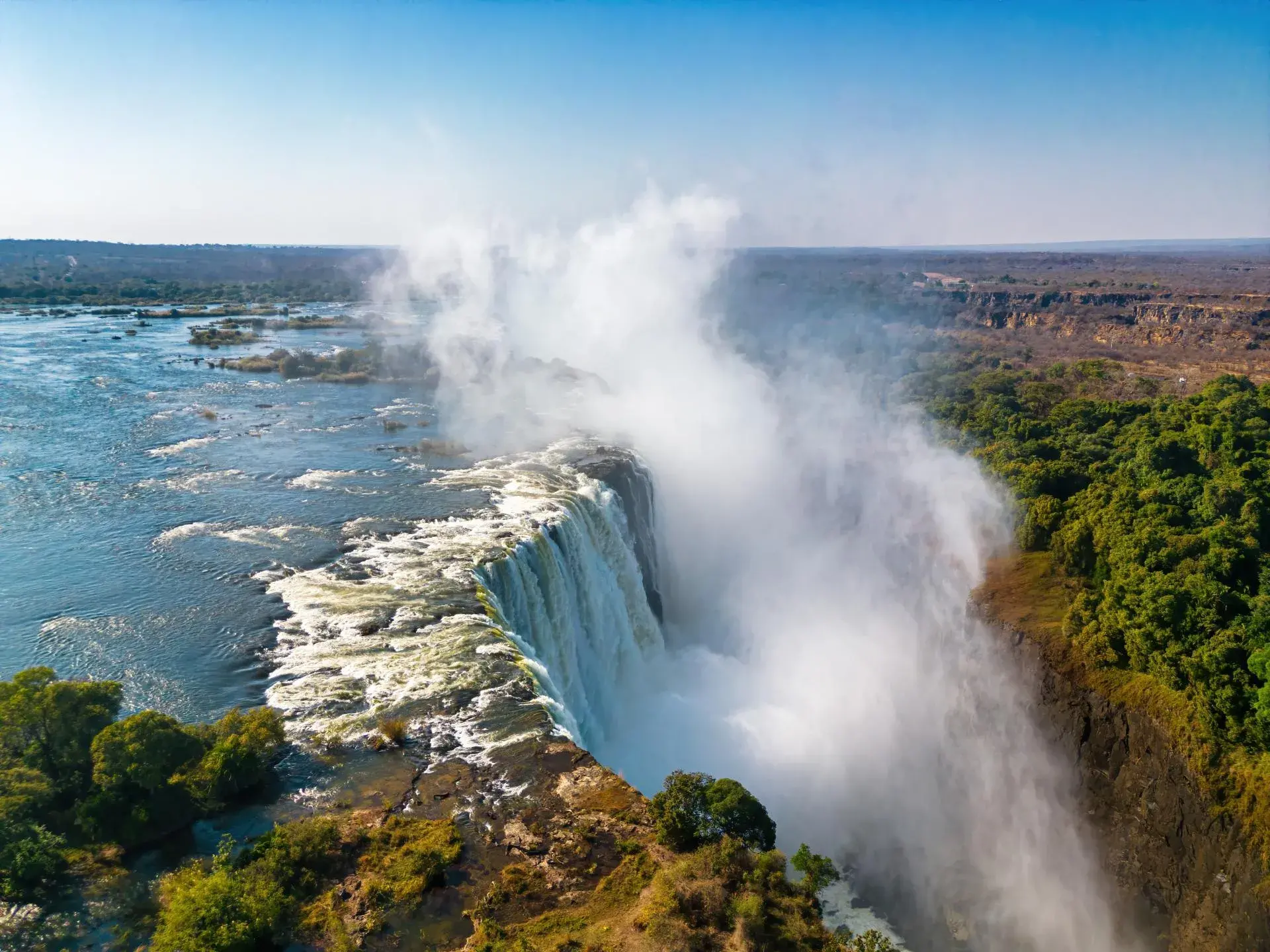
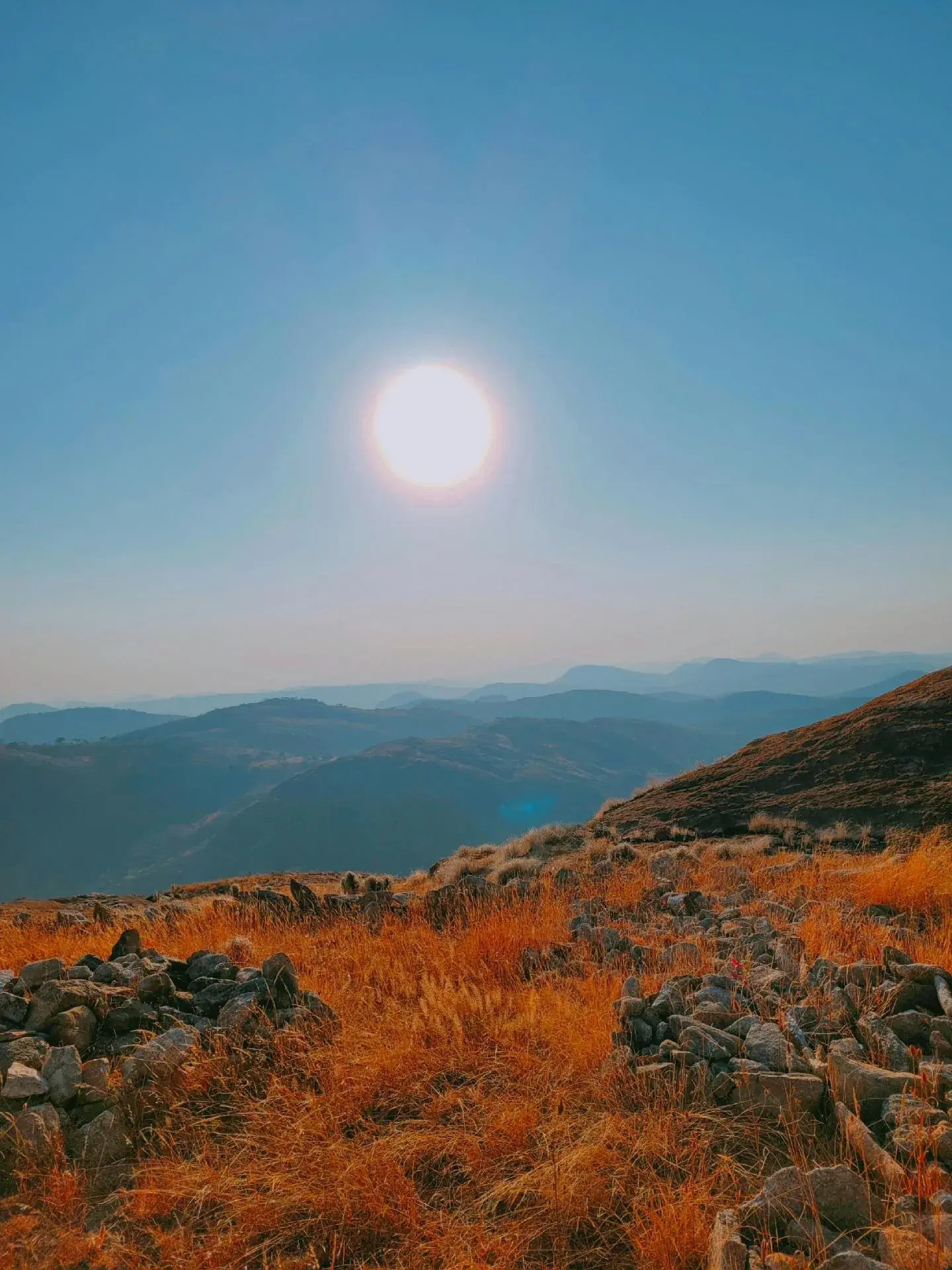
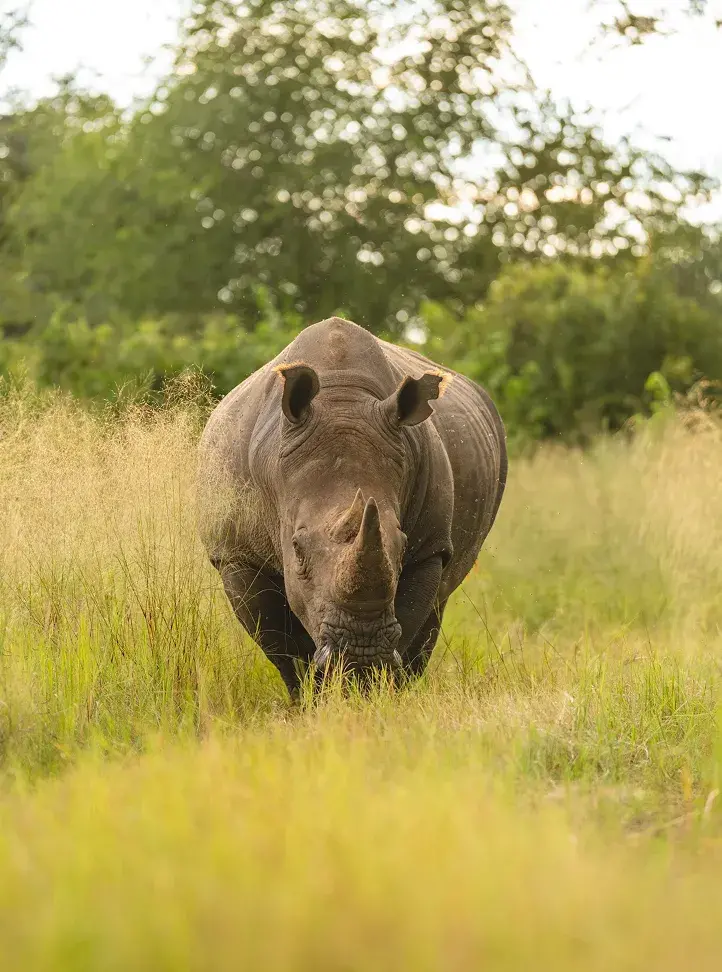
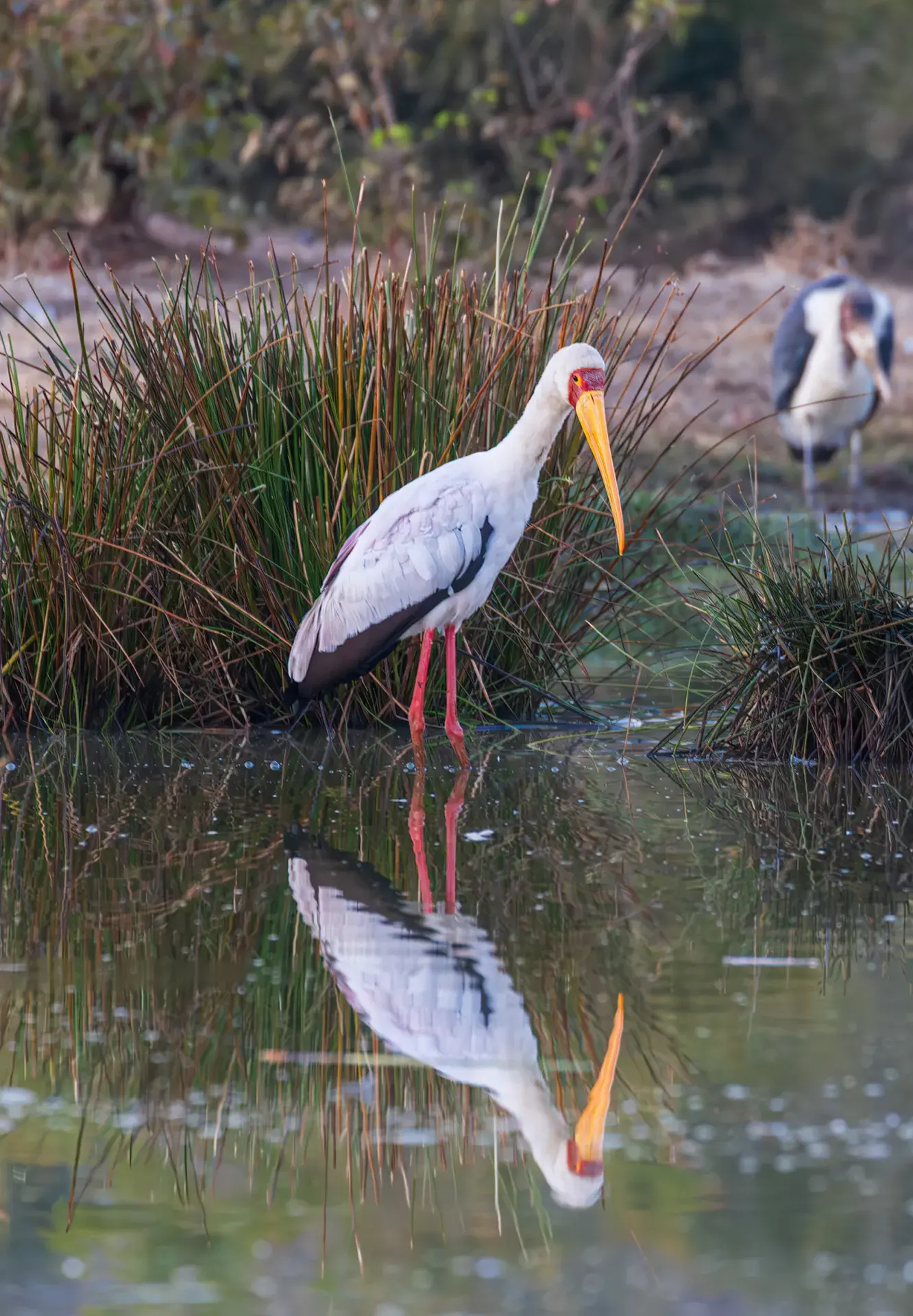
Towering baobab trees line the edges of Hwange’s dusty plains where elephant herds gather around waterholes, walking trails follow tracks through remote wilderness, and to the north, Victoria Falls sends spray high above the Zambezi.
Overview
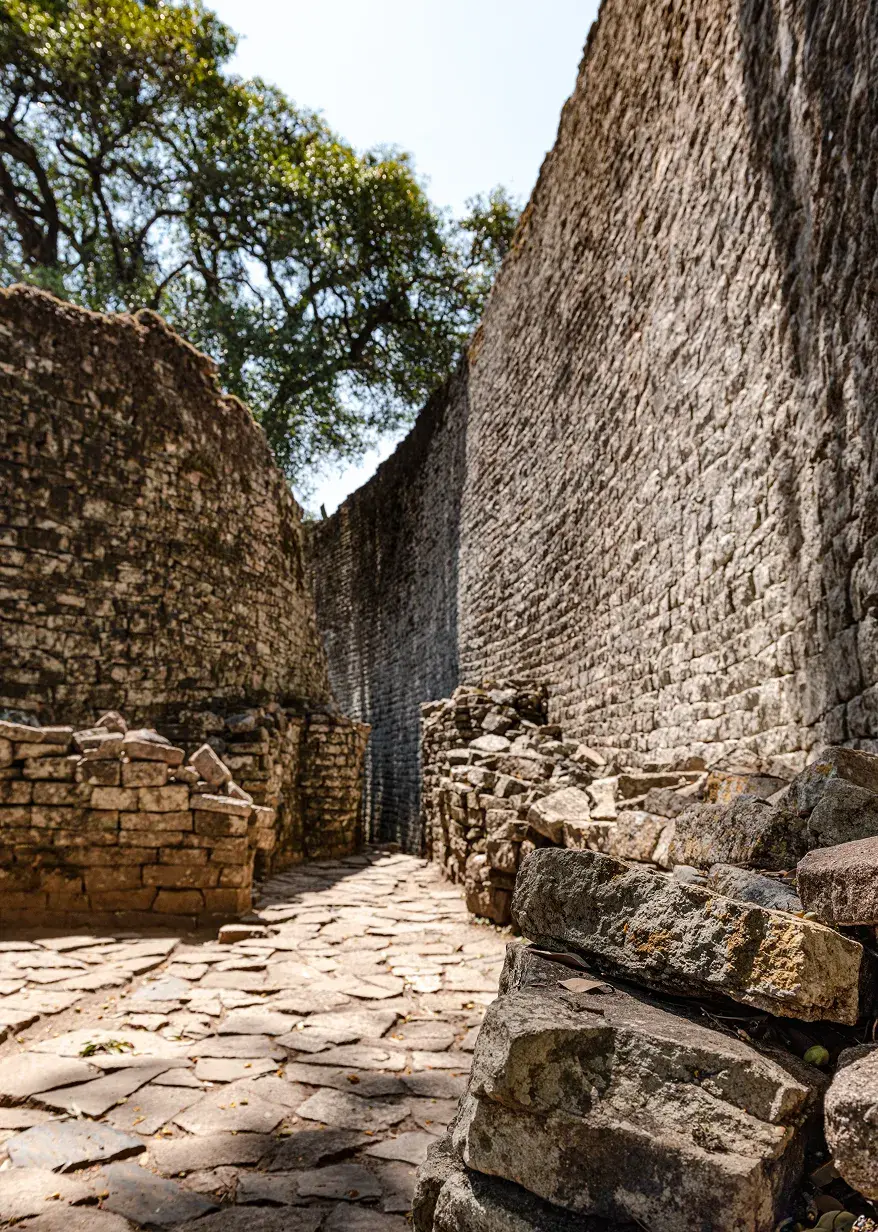
Zimbabwe’s history reaches back to the Kingdom of Great Zimbabwe, whose impressive stone ruins remain one of Africa’s most important historical sites. After years under British colonial rule as Southern Rhodesia, the country gained independence in 1980. Its people, wildlife, and landscapes remain closely tied to strong cultural traditions and a deep connection to the land.
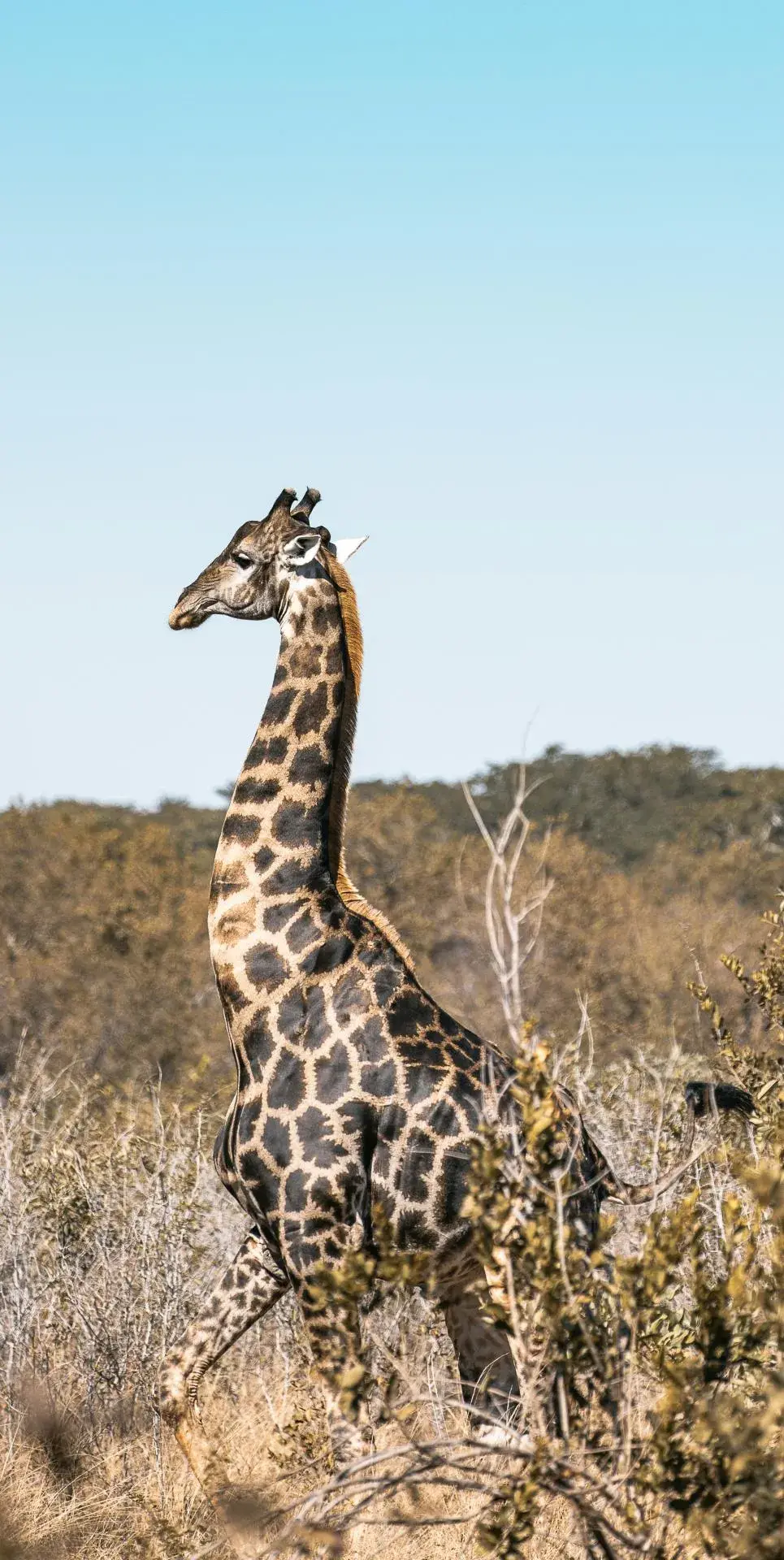
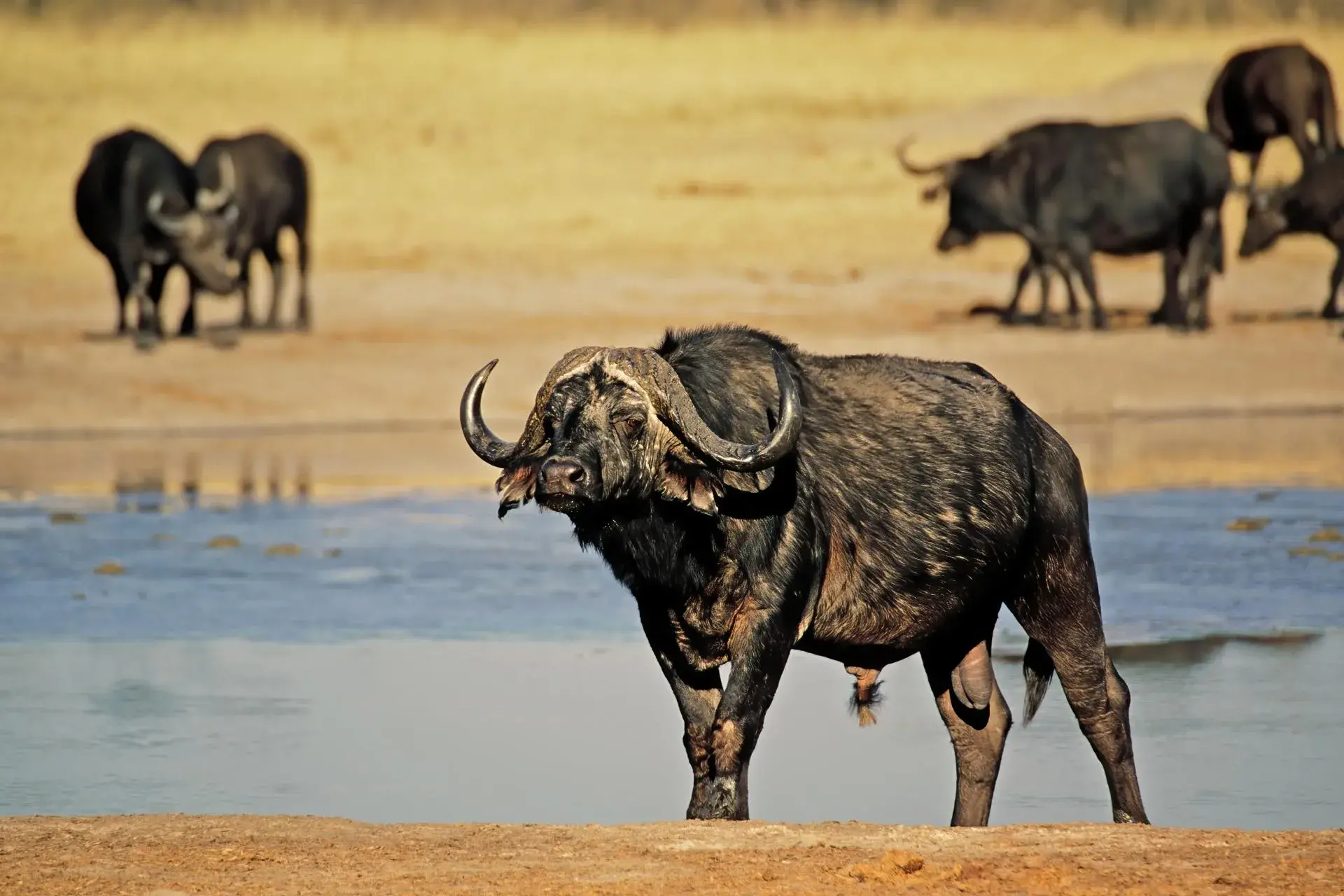
Today, Zimbabwe is known as one of Africa’s finest safari destinations, especially for its highly trained guides and authentic wilderness experiences. National parks such as Hwange and Mana Pools protect large populations of elephants and predators, while Victoria Falls adds one of the continent’s most spectacular natural landmarks to the experience.
390,757 sq km (150,872 sq miles), Zimbabwe is slightly larger than the US state of Montana.
Zambia, Mozambique, South Africa, Botswana, and Namibia.
English (official), Shona, Ndebele, and several other local languages and dialects.
Featured Properties
When to Travel
The best time to visit Zimbabwe for wildlife is during the dry season from May through October. During these months, vegetation becomes thinner and animals gather around rivers, waterholes, and permanent water sources, making wildlife easier to spot. This is an excellent time to visit parks such as Hwange and Mana Pools, known for elephants, predators, and outstanding walking safaris. Daytime temperatures generally range from 20–30°C (68–86°F), with cooler mornings and evenings, especially from June through August.
The peak safari period is August through October, when wildlife concentrations around water sources are at their highest and game viewing is particularly rewarding.
The green season is from (November through April), bringing warmer temperatures (25–35°C / 77–95°F), afternoon rains, and greener landscapes. This is a beautiful time for photography and birdwatching, with migratory birds arriving and many animals giving birth. Wildlife can be more dispersed, but the scenery is lush and visitor numbers are lower. Victoria Falls is also at its most powerful toward the end of the rainy season.
In short:
• May–October: Best for classic safari and wildlife viewing
• November–April: Best for scenery, birding, and Victoria Falls in high flow
Travel highlights
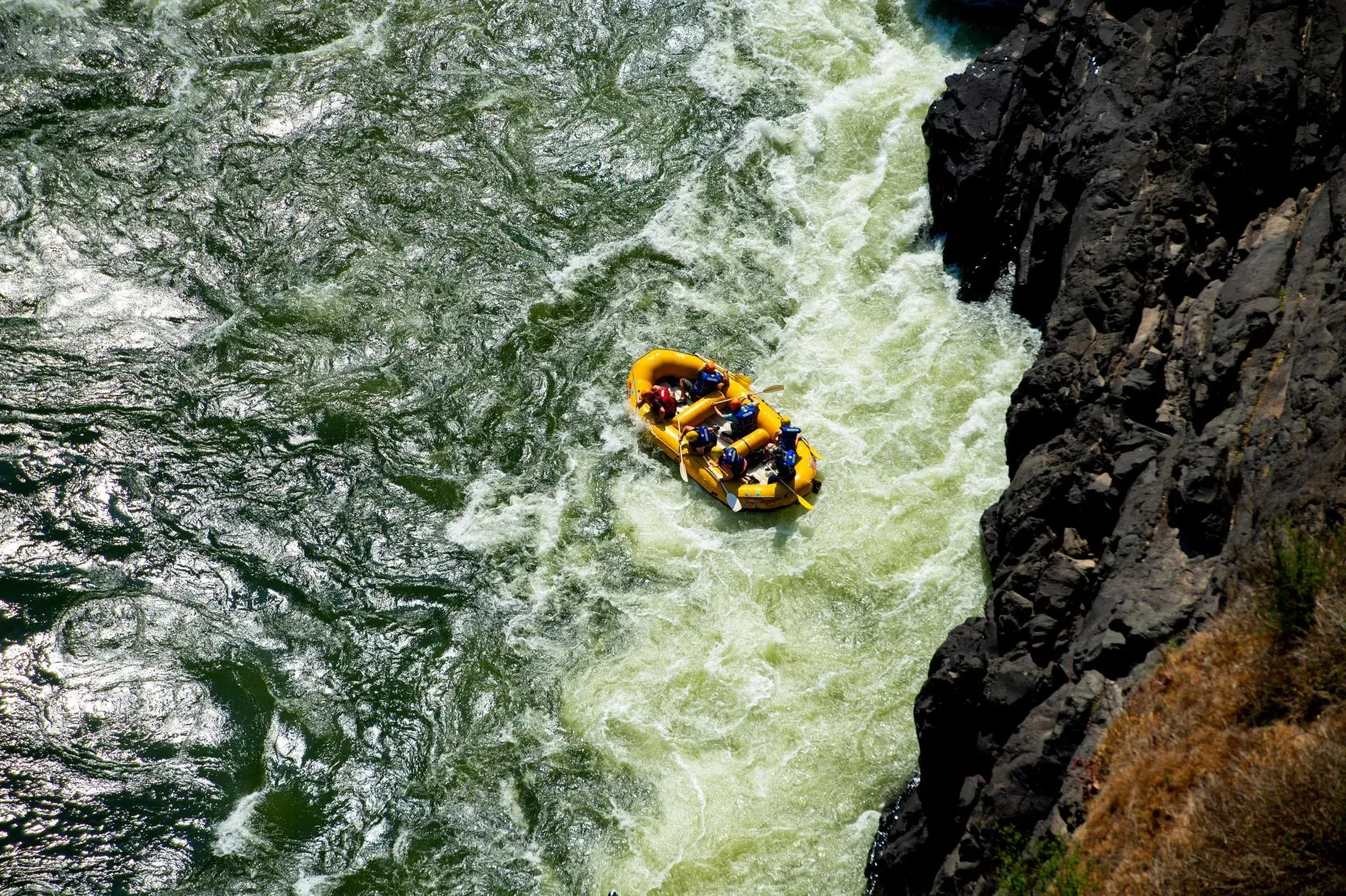
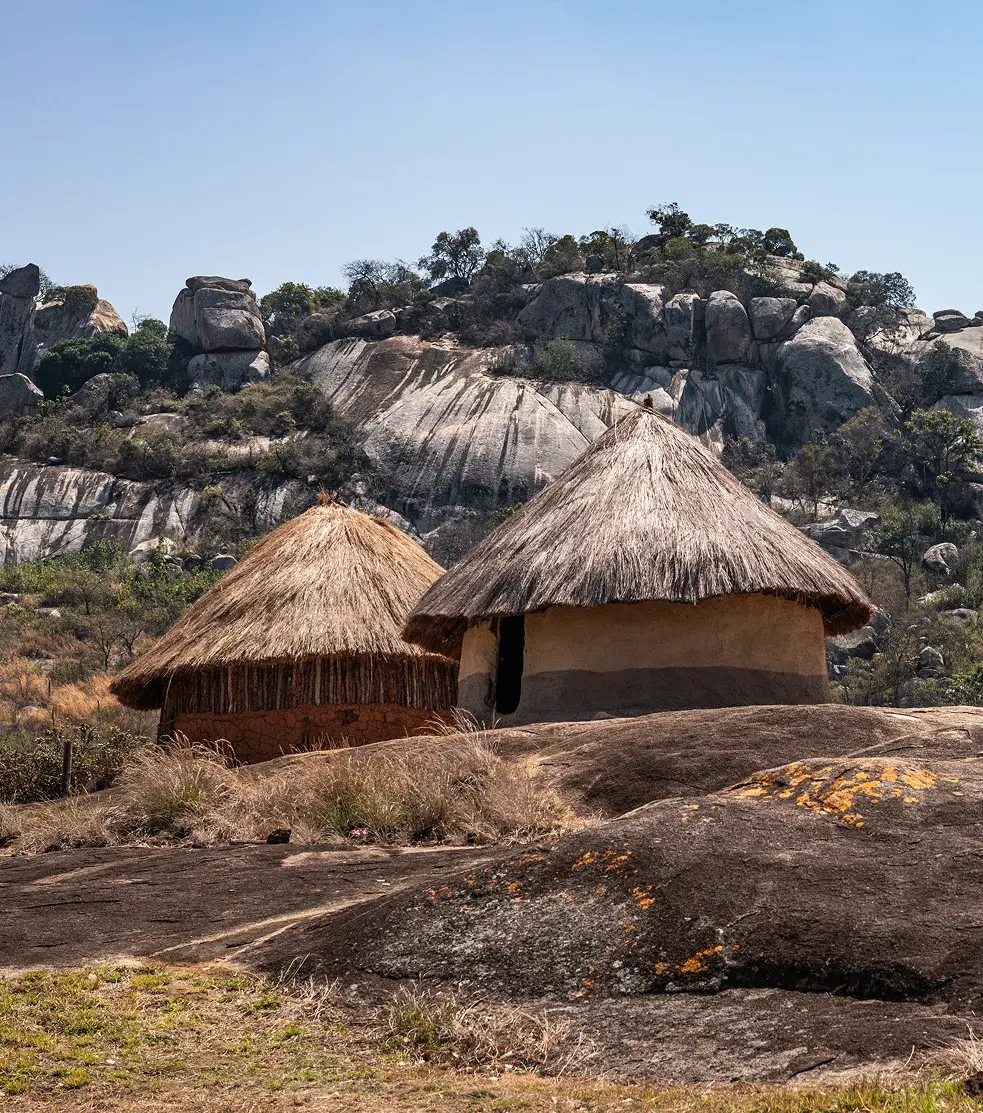
Victoria Falls sends thousands of liters of water over the cliffs each second as mist rises above the Zambezi Gorge and rainforest paths lead to panoramic viewpoints. In Hwange National Park, wide plains and waterholes support one of Africa’s largest elephant populations, while Mana Pools is known for canoeing, walking safaris, and wildlife along the riverbanks. Lake Kariba offers a slower pace with boating, fishing, and sunsets over the water, while the Great Zimbabwe Ruins and the granite landscapes of Matobo Hills showcase the country’s rich history, cultural heritage, and one of the best places in Zimbabwe to track rhinos on foot.
Things to consider
-
When traveling to Zimbabwe, lightweight and breathable clothing in neutral colors works best for safari and outdoor activities. Early mornings and evenings can be cool, especially from May through August, so a light fleece or jacket is recommended. Comfortable walking shoes are useful for game drives, lodge grounds, and city visits. A hat, sunglasses, and sunscreen are important due to the strong African sun. During the rainy season, from roughly November through March, a lightweight waterproof jacket can be helpful. In cities and lodges, casual and comfortable clothing is generally appropriate, while some upscale lodges may prefer smart casual attire for dinner.
-
Recommended vaccines commonly include Hepatitis A, Tetanus, and Typhoid. Depending on the areas visited and personal travel history, some travelers may also consider Hepatitis B and Rabies for extended rural travel. A Yellow Fever vaccination certificate is only required if arriving from or transiting through a country with Yellow Fever risk. Malaria is present in many safari regions, including around Victoria Falls and Hwange National Park, so anti-malarial medication and insect protection are strongly recommended. Travelers should consult a travel clinic or physician ideally 4 to 8 weeks before departure.
-
The official currency in Zimbabwe is the Zimbabwean Dollar (ZWL), but US Dollars (USD) and other foreign currencies are widely accepted. The US Dollar is the most widely accepted and preferred currency for tourism. It is recommended to bring newer US Dollar bills in smaller denominations, as damaged or older notes may sometimes be refused. Credit cards are accepted at many hotels, lodges, and upscale restaurants, especially in major tourist areas such as Victoria Falls, but smaller businesses may only accept cash. Visa cards are generally more reliable than Mastercard. ATMs are available in larger towns and cities, though they may occasionally run out of cash or not accept foreign cards, so travelers should not rely entirely on them.
-
Zimbabwe is generally considered safe for tourism, especially in established safari regions and major tourist areas. Visitors should still exercise normal travel precautions, particularly in cities such as Harare and Bulawayo. Avoid displaying valuables openly, avoid walking alone at night in unfamiliar urban areas, and use trusted transportation providers. Safari camps and lodges are typically very secure. Wildlife areas require attention to lodge safety briefings, as animals may move freely through unfenced camps.
-
Drinking bottled or filtered water is strongly recommended throughout Zimbabwe, including in hotels and safari lodges. Most high-end lodges provide safe filtered water for guests. Tap water quality can vary, particularly in cities. Ice in reputable hotels and lodges is generally safe. Food at established lodges, hotels, and restaurants serving tourists is usually of good quality and well prepared. As with travel anywhere, it is wise to eat freshly cooked foods, wash hands regularly, and be cautious with food from informal roadside vendors.
Entry requirements:
US and Canadian citizens must have a passport valid for at least six months beyond entry, with at least two blank pages. A visa is required for entry into Zimbabwe and can usually be obtained upon arrival or online through the e-visa system. Travelers may be asked to show proof of onward or return travel and sufficient funds for their stay. Requirements can change, so it is advisable to verify details prior to departure.