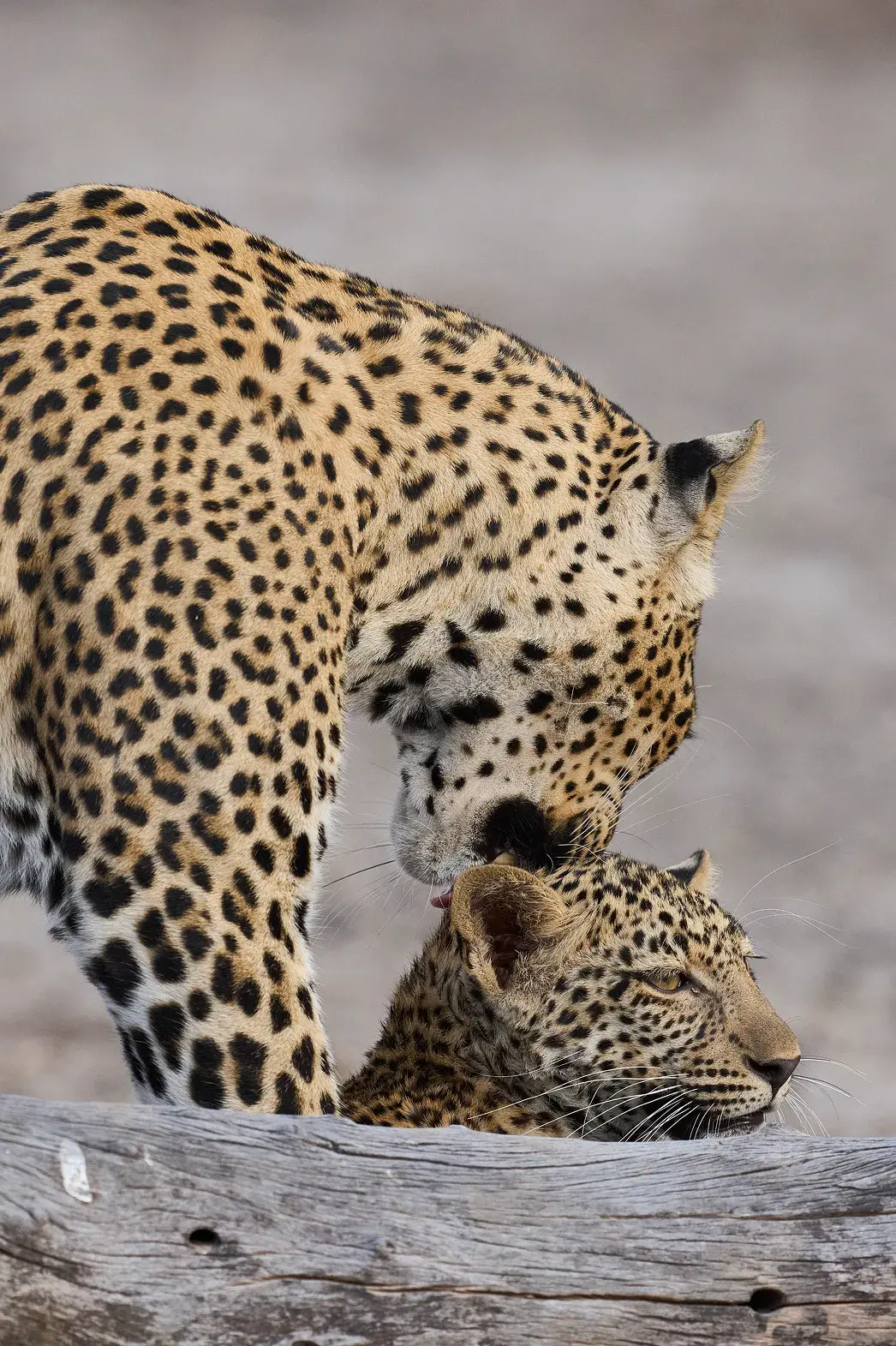
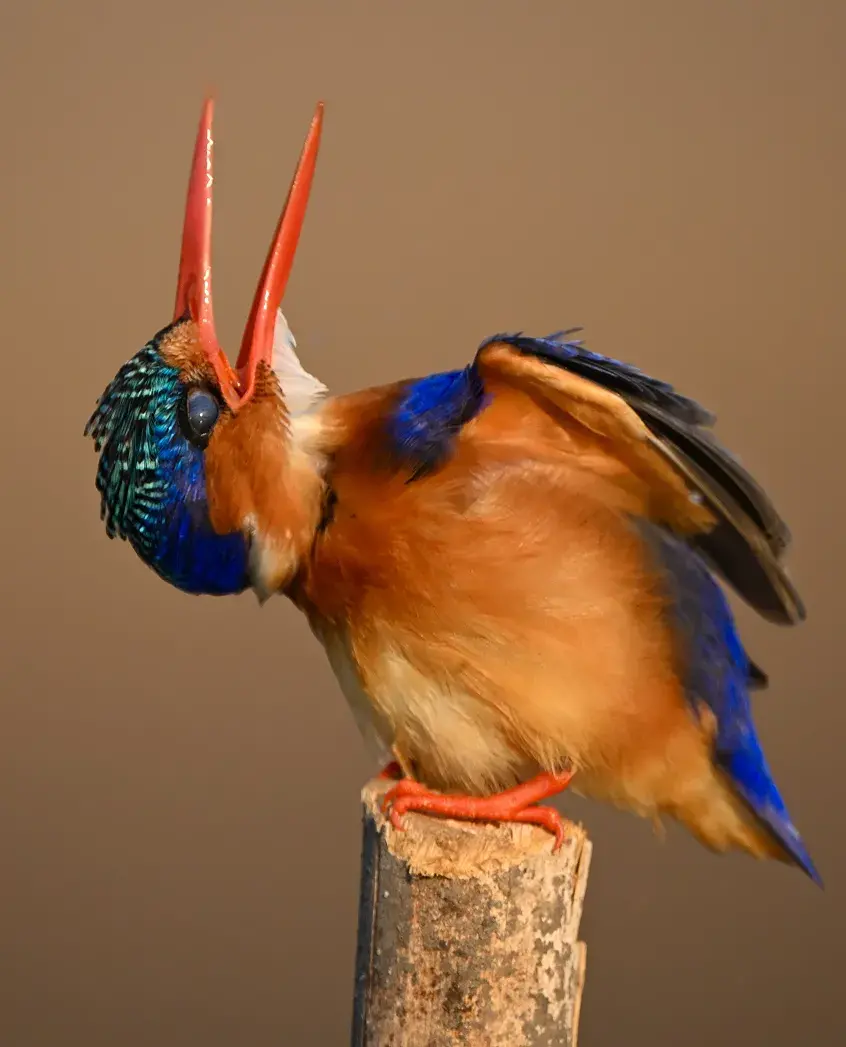
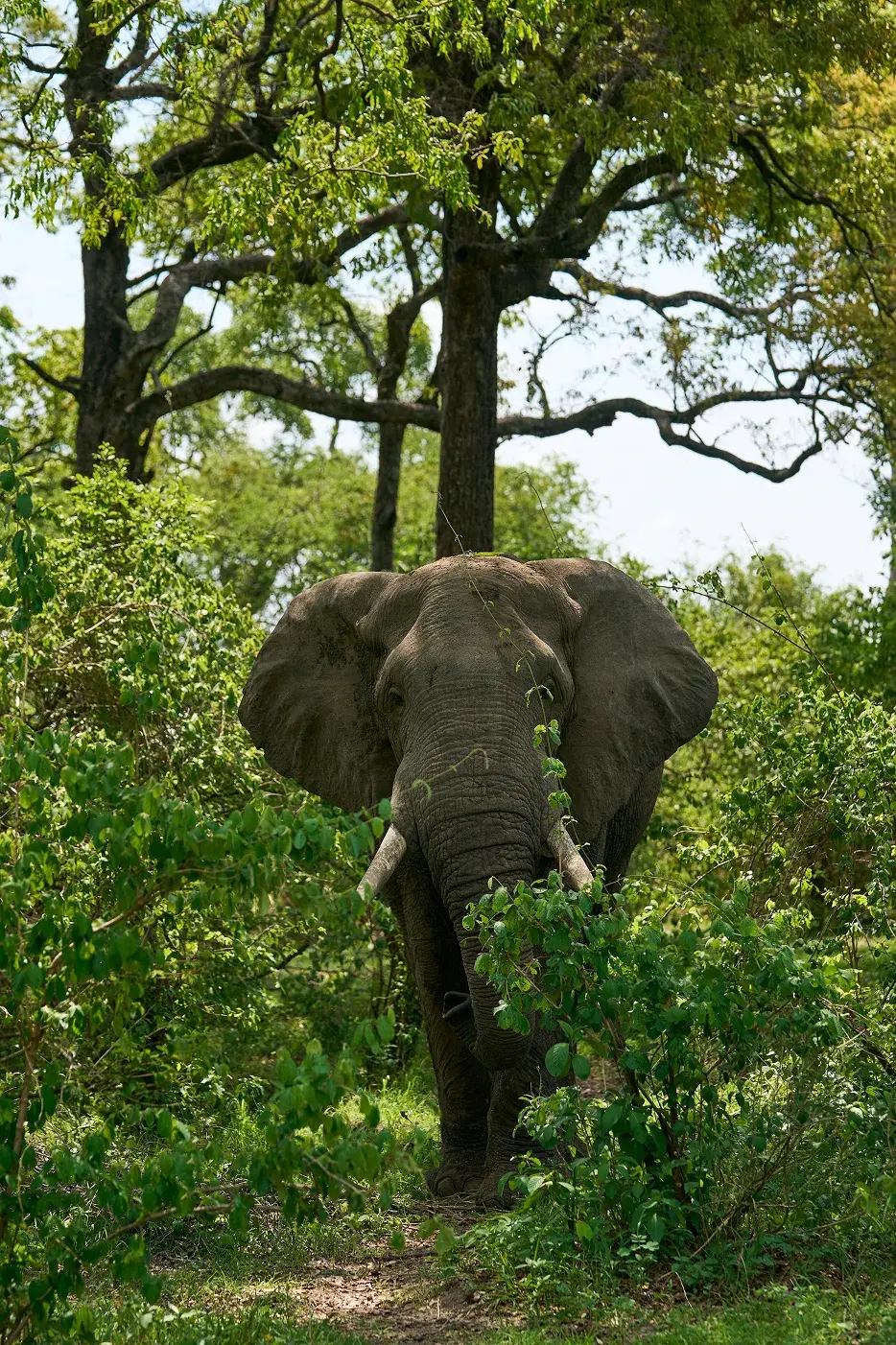
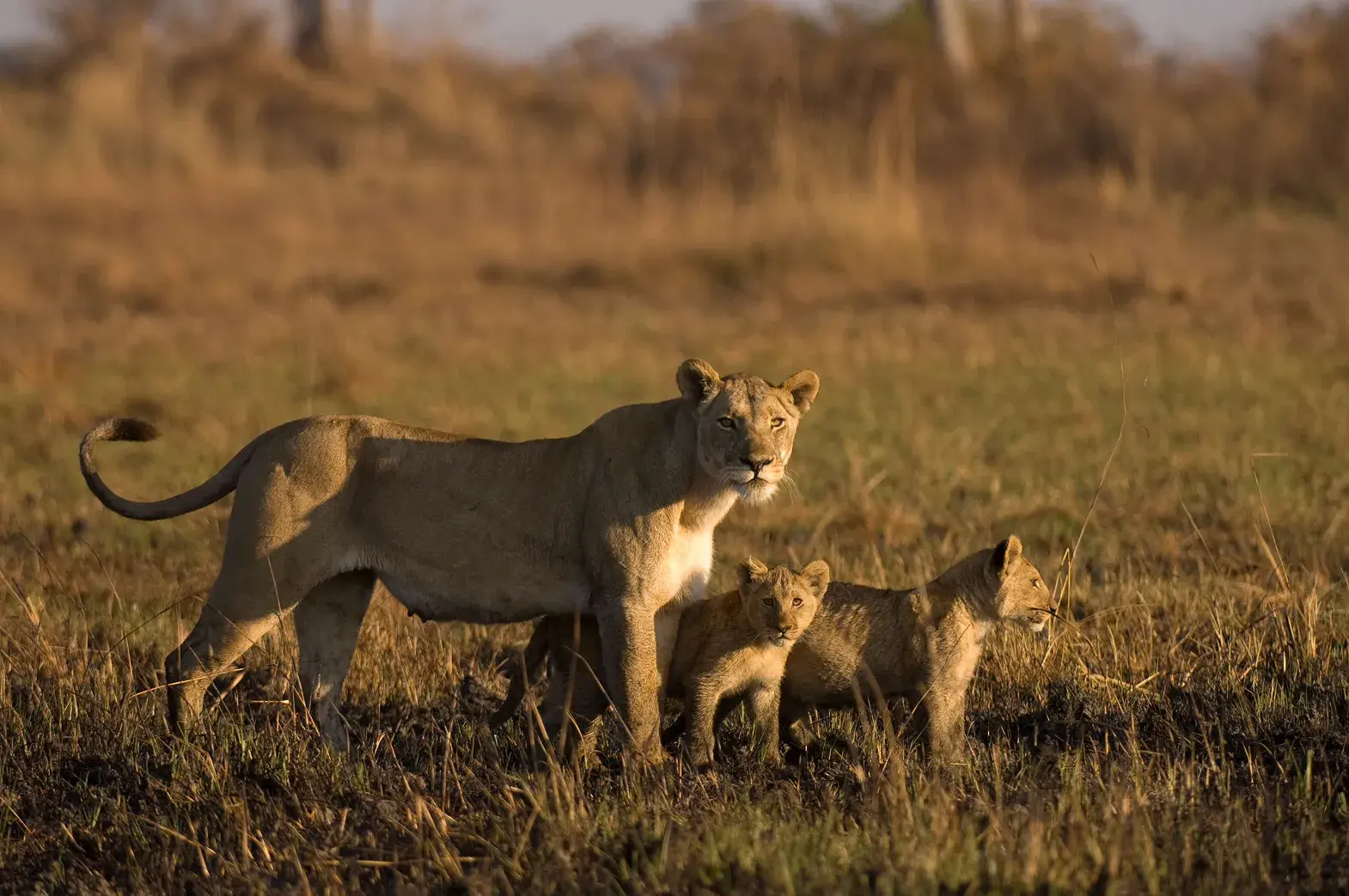
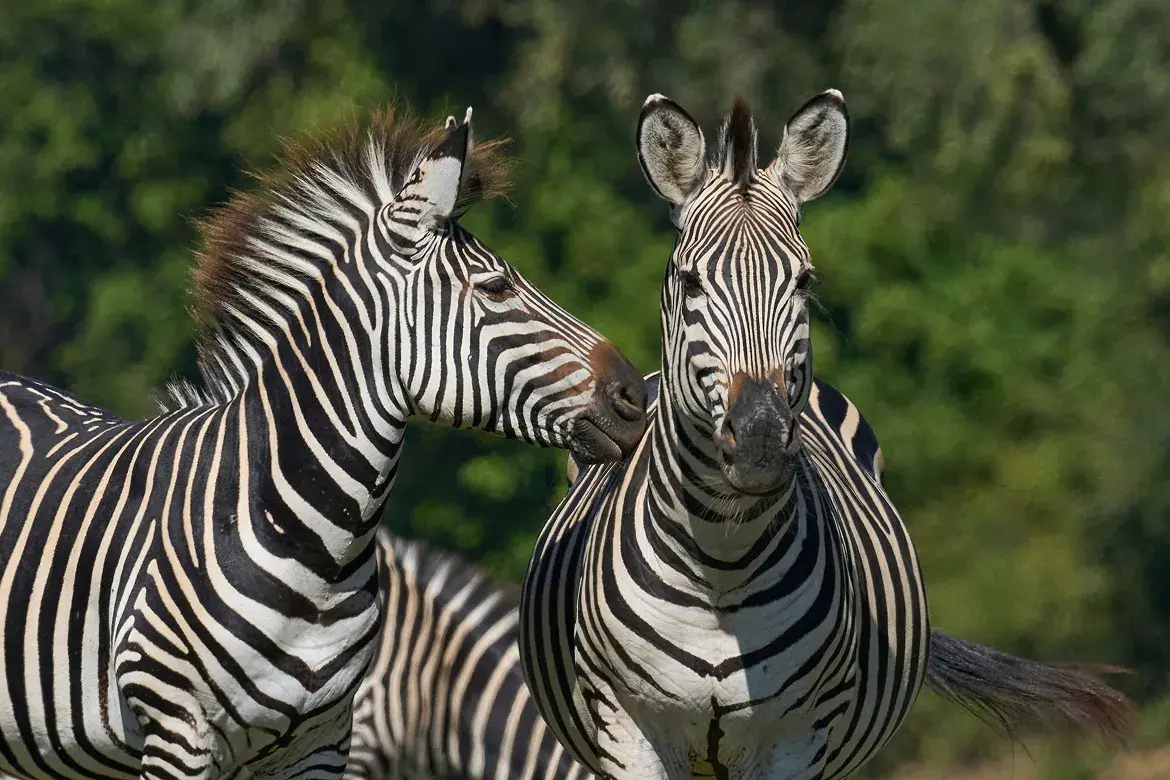
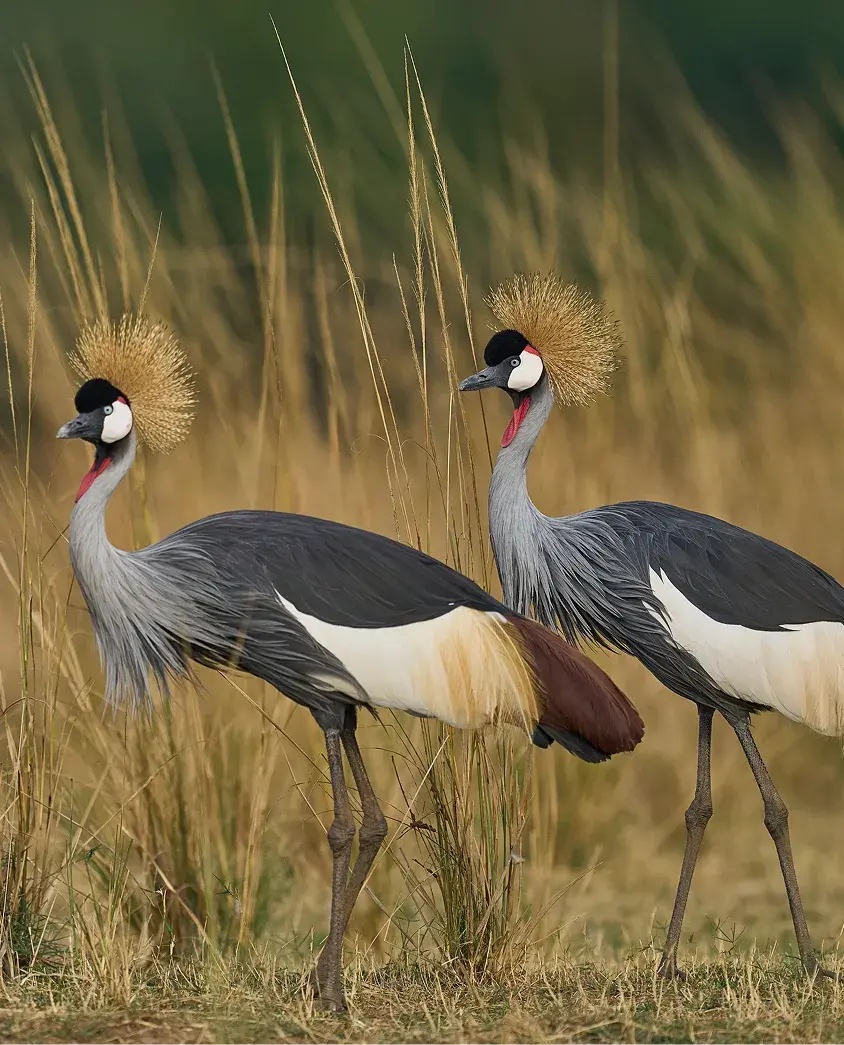
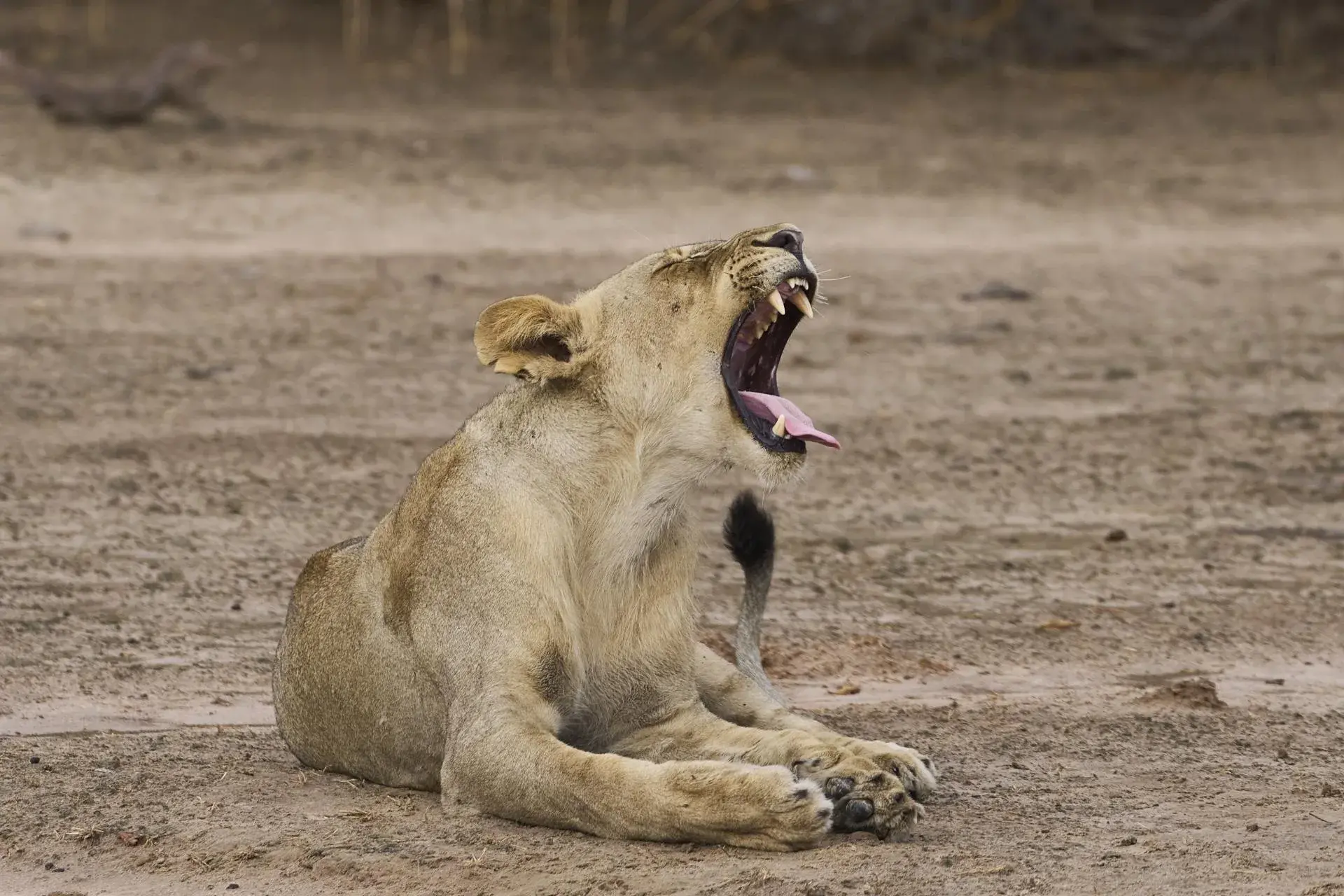
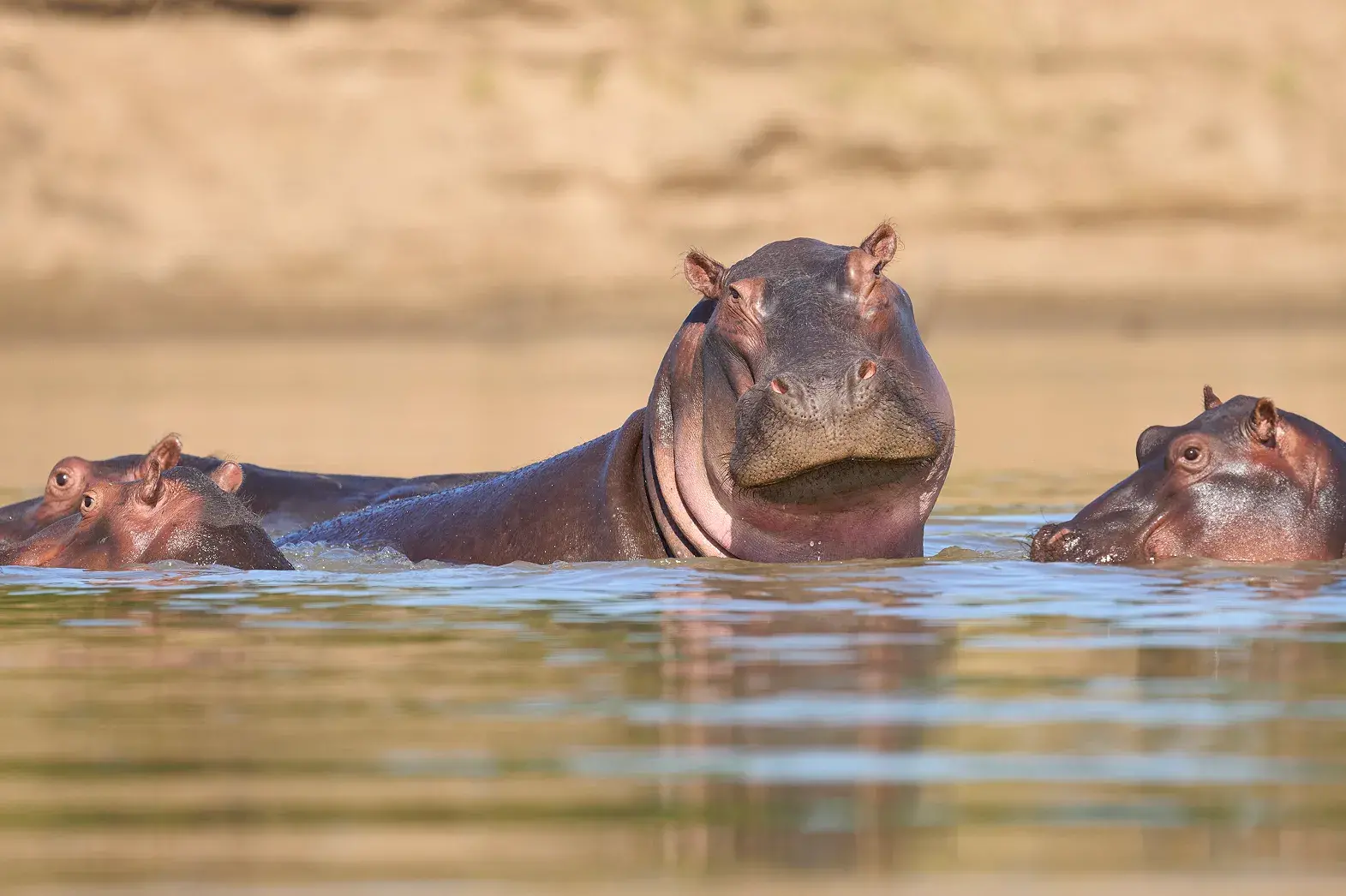
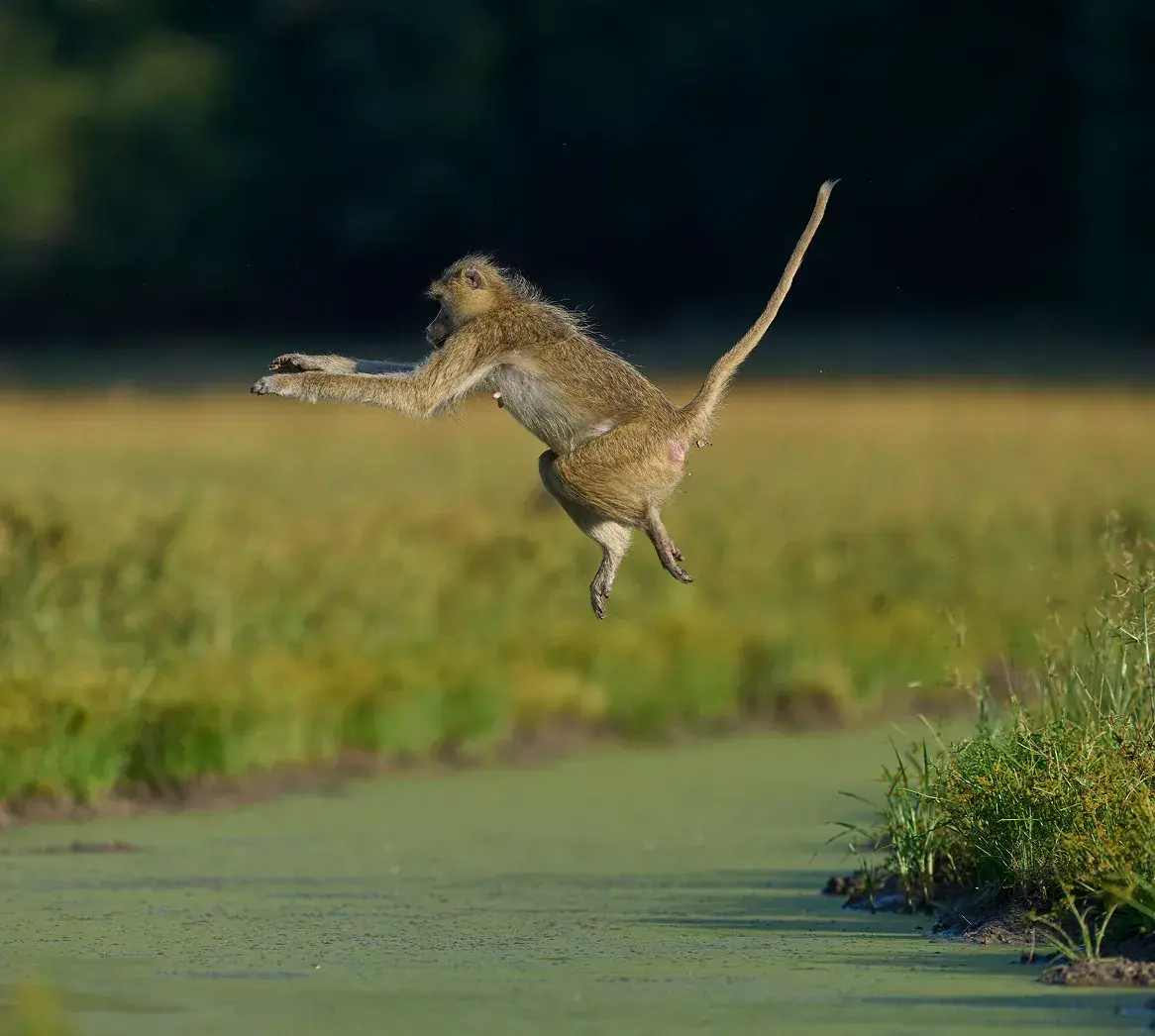
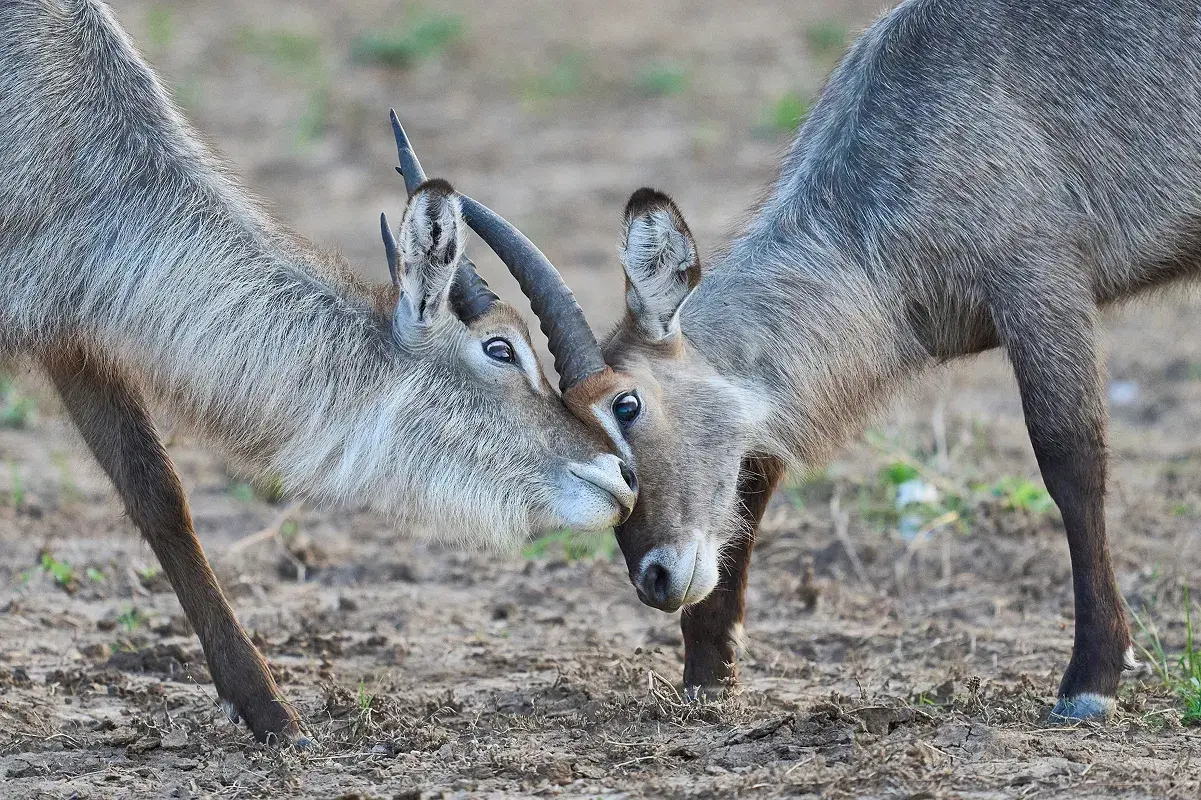
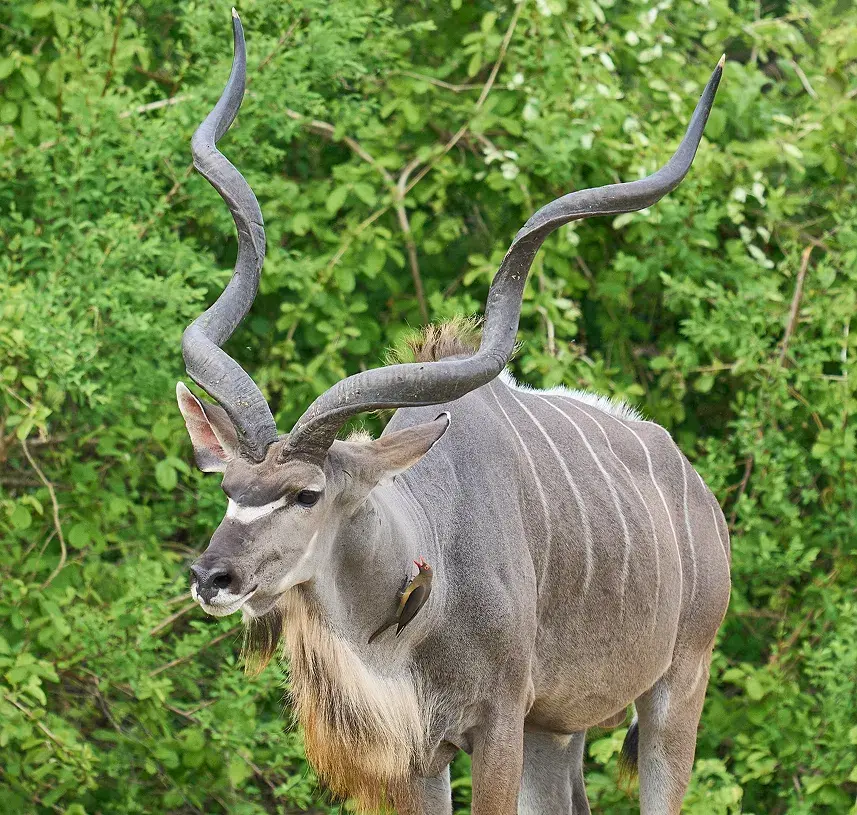
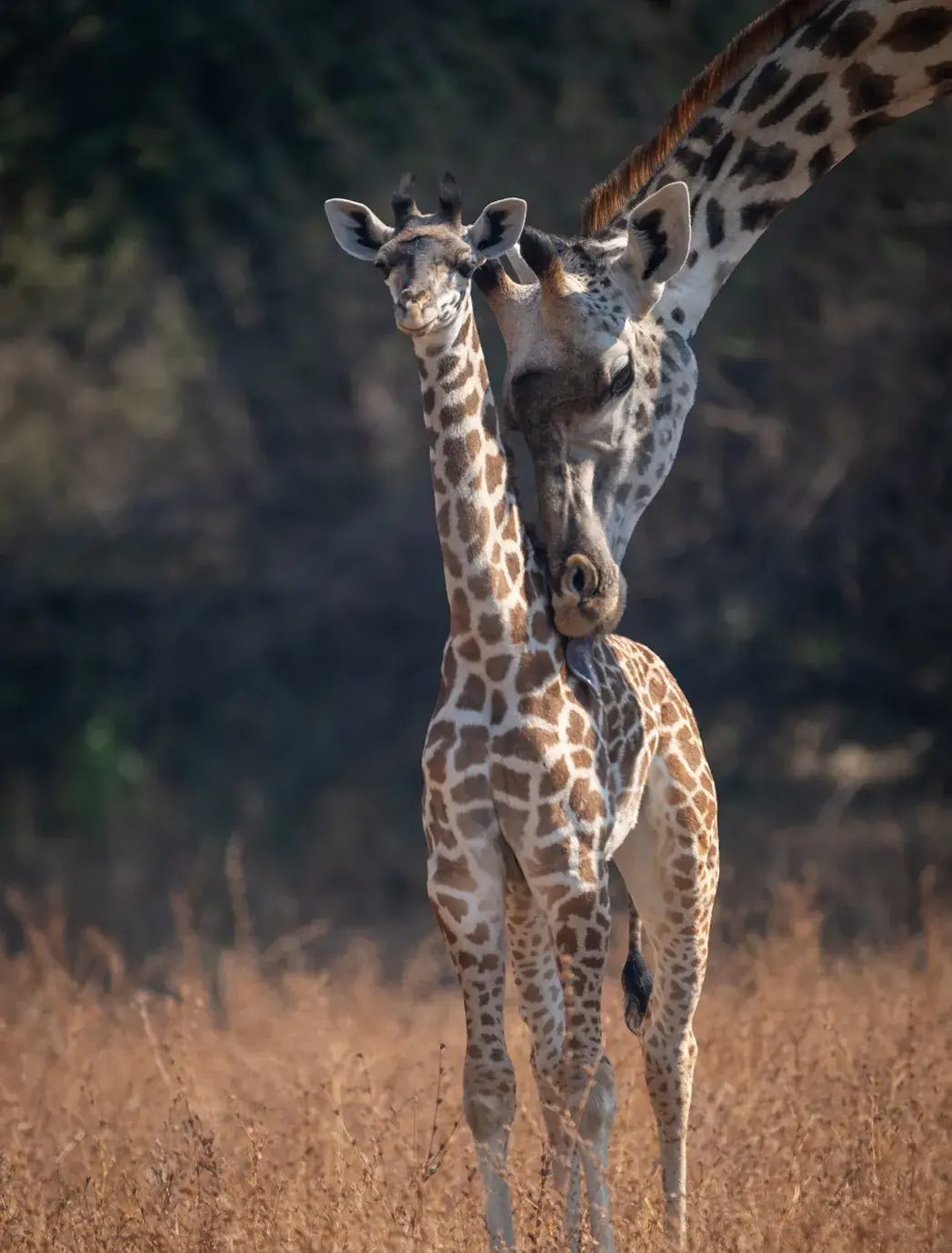
Wide rivers, open horizons, and untamed wilderness frame a landscape where leopards lie in wait across twisting tree branches, and evenings gather mist over the Zambezi, far from the crowds and close to the rhythm of the wild.
Overview
Zambia sits at the crossroads of southern and central Africa, and before colonial times, the region was home to several powerful kingdoms and communities connected through trade routes that stretched across the continent. In the late 19th century, the territory came under British control and became known as Northern Rhodesia, largely influenced by mining interests tied to its rich copper reserves.
Zambia gained independence in 1964 under the leadership of Kenneth Kaunda. Since then, the country has built a reputation as one of the more peaceful and politically stable nations in Africa, often playing a diplomatic role in regional affairs.
Today, Zambia is best known for its exceptional safari experiences, welcoming people, and vast open wilderness. The country is considered the birthplace of the walking safari and is celebrated for remote parks such as South Luangwa National Park and Lower Zambezi National Park. It is also home to the Zambian side of Victoria Falls, one of the world’s great natural wonders, known locally as “Mosi-oa-Tunya,” meaning “The Smoke That Thunders.” Zambia today combines rich wildlife, strong cultural traditions, and a quieter, less commercial safari atmosphere that many travelers see as one of Africa’s most authentic experiences.
Zambia is 752,600 sq km / 290,600 sq mi, or slightly larger than Texas
Angola, Democratic Republic of Congo, Tanzania, Malawi, Mozambique, ZImbabwe, Botswana, Namibia
English (official), Bemba, Nyanja, Tonga, Lozi, and more than 70 local dialects
Featured Properties
When to Travel
The best time to visit Zambia depends on the type of experience travelers are looking for, though the country is generally considered a prime safari destination from May through October.
May to August
This is the cool dry season and one of the most comfortable times to travel. Days are usually sunny and mild, while mornings and evenings can feel chilly, especially on safari drives. Landscapes remain green after the rains, wildlife viewing improves steadily, and conditions are excellent for walking safaris.
September to October
These are the warmest and driest months, offering outstanding wildlife viewing as animals gather around rivers and waterholes. This is often considered the peak safari season in parks such as South Luangwa National Park, Lower Zambezi National Park, and Kafue National Park. Temperatures can become quite hot, particularly in October.
November to April
This is the green or rainy season. Afternoon showers are common, landscapes become lush and dramatic, and birdlife is exceptional, attracting many migratory species. Some remote safari camps close due to seasonal rains and road conditions, but this period offers fewer visitors, beautiful scenery, and excellent photography opportunities.
For Victoria Falls:
- February to May usually offers the highest water levels and the most dramatic views of the falls.
- August to December often provides better visibility into the gorge and improved conditions for activities such as white-water rafting and swimming pools near the edge of the falls.
Travel highlights
Zambia is a land of rivers, wildlife, and vast untouched landscapes, where the thunder of Victoria Falls gives way to remote safari experiences across some of Africa’s most remarkable wilderness areas. In South Luangwa National Park, walking safaris follow fresh tracks along the riverbanks beneath ancient trees, while Lower Zambezi National Park blends canoeing, boating, and exceptional wildlife viewing along the Zambezi River. The immense and lesser-traveled landscapes of Kafue National Park offer wild plains, seasonal wetlands, and outstanding predator sightings, while the distant grasslands of Liuwa Plain National Park reveal dramatic skies, migrating wildebeest, and one of Africa’s last truly remote safari frontiers.
Things to consider
-
Lightweight, breathable clothing in neutral colors such as beige, olive, khaki, and light brown works best for safari activities in Zambia. Early mornings and evenings can be cool, especially between May and August, so a light fleece or jacket is recommended. Comfortable walking shoes, a hat, sunglasses, sunscreen, and insect repellent are essential. In cities and lodges, dress is generally casual but neat. Camouflage clothing is discouraged and, in some cases, restricted for civilians.
-
Travelers should consult their physician or travel clinic several weeks before departure. Commonly recommended vaccinations often include Hepatitis A, Typhoid, Tetanus, and routine immunizations. Malaria prevention is strongly advised for most safari areas. A yellow fever vaccination certificate is only required if arriving from or transiting through a country with yellow fever risk.
-
The local currency is the Zambian Kwacha (ZMW). U.S. Dollars are widely accepted in many safari lodges, particularly for park fees and tourism services, though small purchases are usually paid in Kwacha. Major credit cards are accepted at upscale lodges, hotels, and some restaurants, but smaller properties and remote areas may charge a service fee or only accept cash. ATMs are available in larger towns and cities such as Lusaka and Livingstone, though they can occasionally run out of cash or experience connectivity issues. Carrying some smaller U.S. Dollar bills and local currency is recommended.
-
Zambia is considered one of the safer and more stable countries in southern Africa, and tourism areas are generally very welcoming. As in any destination, normal precautions should be taken with valuables in cities and crowded areas. In safari camps, safety briefings are important, as wildlife moves freely around many lodges and camps. Guests should always follow the guidance of guides and camp staff.
-
It is recommended to drink bottled or filtered water rather than tap water. Most safari lodges and upscale hotels provide safe drinking water daily. Zambia’s safari camps are known for high-quality cuisine, often combining international dishes with fresh local ingredients. Freshly cooked food at reputable lodges and restaurants is generally very safe, though travelers should still use common sense with street food and uncooked items in more remote areas.
Entry requirements:
For US and Canadian passports, a visa is currently not required for tourist visits to Zambia for stays of up to 90 days. Your passport should be valid for at least 6 months beyond your travel dates and should have several blank pages available for entry stamps. Proof of onward or return travel and accommodation details may be requested upon arrival.
Many safari itineraries combine Zambia with neighboring countries such as Zimbabwe or Botswana, so travelers should verify entry requirements for all countries on the itinerary.